5 Easy Camping Recipes to Master Outdoor Cooking Fast
"Stop stressing over complex meal prep and start enjoying the fire: 5 foolproof recipes that turn any campsite into a gourmet kitchen with minimal effort."
Mastering camping meals means trading complex kitchen gadgets for efficient, one-pot techniques and pre-prepped ingredients. By focusing on hearty proteins and versatile vegetables, you can create restaurant-quality meals with minimal cleanup.
* Minimalist Prep: Focus on "one-pan" or "one-pot" methods to reduce cleanup and gear weight. * Flavor Profiles: Balance between hearty proteins and fresh, easy-to-carry ingredients. * Efficiency: Use the "Prep-at-Home, Cook-at-Site" strategy to maximize relaxation time. * Versatility: Recipes scaled for families (large batches) and solo campers (minimal waste).

How to Master Easy Camping Cooking: The Golden Rules
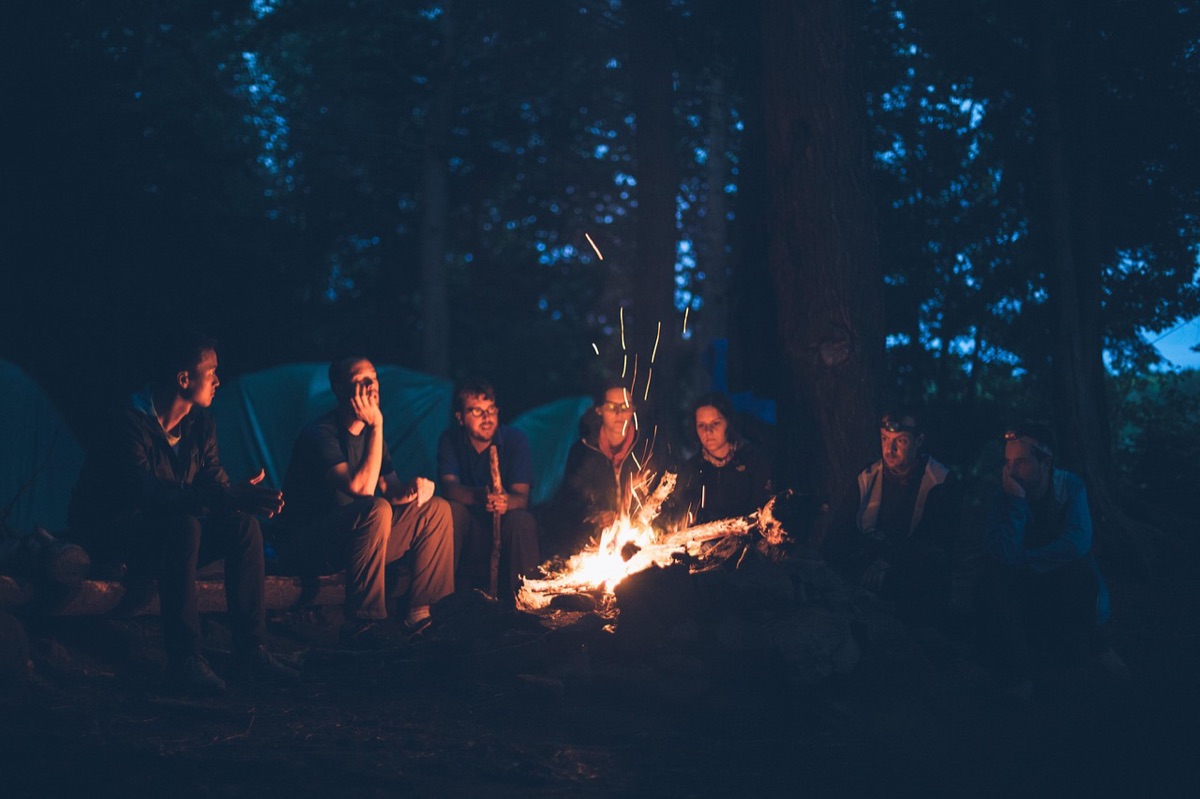
The sun is dipping below the pine trees at a campsite in the Blue Ridge Mountains, and the sound of a crackling fire marks the start of the evening. You stand over a small butane stove, reaching for a bag of pre-chopped onions that you prepared in your kitchen two days ago.
Because the prep is already done, you aren't wrestling with a cutting board on a wobbly picnic table.
The "Prep-at-Home" rule is the difference between a relaxing evening and a stressful mess. Chop, marinate, and portion ingredients into reusable silicone bags before you leave your house. This minimizes site-side mess and keeps your cooler organized.
When you arrive at the site, your only job is to heat and assemble.
Your gear should be as efficient as your prep. A versatile cast iron skillet is the king of the campfire, capable of searing steaks or baking bread. Pair it with a compact butane stove for wind-resistant heat and heat-resistant utensils that won't melt.
Managing your cooler is the next pillar of success. Use the "Cooler Layering" method: place heavy, frozen items like meat at the very bottom to act as ice-packs. Place delicate, fresh items like eggs or leafy greens at the top. This prevents crushing and keeps the temperature stable.
Finally, follow the 3-step workflow: Prep → Cook → Clean. This "clean-as-you-go" philosophy ensures that once the meal is finished, you aren't left with a mountain of greasy dishes. If you clean the pans while the meat is resting, the job is practically done.
The golden rules are set, but the real magic happens when the heat hits the pan.
The Ultimate One-Pan Steak & Veggie Medley (The Beginner's Win)
The smell of searing beef hits the cool evening air, and the cast iron skillet hums with heat. You watch as the juices mingle with colorful bell peppers, creating a feast that looks much harder to make than it actually was.
This recipe is the perfect entry point for anyone new to outdoor cooking. It uses the rendered fat from the meat to cook the vegetables, ensuring every bite is packed with flavor.
Ingredients: * Ribeye or Striploin (pre-seasoned) * Bell peppers * Onions * Garlic cloves * Butter
Step-by-Step Sequence: 1. Heat the cast iron skillet over medium-high heat until it is smoking slightly. 2. Sear the meat for 3-4 minutes per side to create a deep, flavorful crust. 3. Remove the meat to a plate to rest; toss sliced veggies into the remaining fat in the pan. 4.
Sauté veggies until they are tender-crisp, then toss the meat back in with a knob of butter.
Pro Tip: Always follow the "Resting Rule." Let the meat sit for at least 5 minutes after taking it off the heat. This ensures the juices redistribute, making the steak much juicier even when cooked on a portable camping stove.
The steak is a winner, but sometimes you want something even easier to manage.
Smoky Campfire Foil Packets (The No-Cleanup Hero)
The campfire embers glow orange, and you slide a silver packet onto the edge of the grate. There are no pans to scrub and no messy liquids to wipe up—just the simple joy of peeling back foil to reveal a steaming, aromatic meal.
Foil packets are the ultimate solution for solo campers or those who want to spend zero time cleaning. The foil acts as both your cooking vessel and your plate.
Ingredients: * Salmon fillets (or chicken thighs) * Asparagus * Lemon slices * Heavy-duty aluminum foil
Step-by-Step Sequence: 1. Lay out large sheets of heavy-duty aluminum foil on a flat surface. 2. Place the protein in the center and surround it with vegetables and seasoning. 3. Seal the packet airtight using the "envelope fold" technique to trap steam. 4.
Place the packet directly on the grill grate or the edge of the fire pit for 15-20 minutes.
Variation: If you want a heartier, budget-friendly version, swap the salmon for sliced smoked sausage and replace the asparagus with diced potatoes.
While foil packets are great for solo trips, feeding a group requires a different approach.
One-Pot Cheesy Sausage & Pasta (The Family/Crowd Pleaser)
A group of friends gathers around a large pot, the steam rising as the cheese melts into the sauce. This is the meal that fills everyone up, turning a chilly night into a warm, communal celebration.
This recipe is designed for crowds. Because it uses a single pot, you save space in your vehicle and time at the campsite.
Ingredients: * Smoked sausage slices * Pasta (fusilli or penne) * Heavy cream (or cream cheese) * Spinach
Step-by-Step Sequence: 1. Boil the pasta in a single pot with salted water; drain and set aside. 2. In the same pot, brown the sliced sausages until they are slightly crispy. 3. Mingle the pasta back into the pot with the cream/cheese and the spinach. 4.
Stir until the sauce thickens and the spinach wilts into the mixture.
Efficiency Tip: To cut your cooking time by ly 50%, use "pre-cooked" pasta or high-quality instant noodles. This reduces the amount of water you need to boil and the time spent waiting.
When the meal is done, you might want something more visual to enjoy the night.

The "Bul-Mong" (Fire-Gazing) Skewers (The Aesthetic Choice)
The crackle of the wood is the only sound as you carefully rotate the skewers over the glowing coals. The colors of the cherry tomatoes and mushrooms look vibrant against the dark night, making the meal feel like an event.
Skewers are the perfect "aesthetic" choice. They are easy to eat with your hands and allow for even cooking through constant rotation.
Ingredients: * Cubed beef or chicken * Mushrooms * Cherry tomatoes * Balsamic glaze
Step-by-Step Sequence: 1. Thread ingredients onto skewers, alternating protein and vegetables to ensure even heat distribution. 2. Place the skewers over a grate over the embers—avoid direct large flames to prevent charring the outside while leaving the inside raw. 3.
Rotate the skewers every s 3 minutes to ensure even browning.
The Secret: To prevent the sticks from catching fire, soak wooden skewers in water for at least 30 minutes before threading your ingredients. This keeps the wood from burning through during the cook.
| Recipe Type | Primary Tool | Cleanup Level | Best For |
|---|---|---|---|
| Steak & Veggie | Cast Iron Skillet | Medium | Couples / Beginners |
| Foil Packets | Aluminum Foil | Very Low | Solo / Minimalists |
| Cheesy Pasta | One Large Pot | Low | Families / Groups |
| Skewers | Grill Grate | Low | Social / Aesthetic |
Common Pitfalls to Avoid
When you are tired and hungry at a campsite, it is easy to make mistakes that ruin a meal. One of the biggest mistakes is "over-packing" the heat. If you crowd your pan with too much meat at once, the temperature will drop, and the meat will steam in its own juices rather than searing.
This results in gray, tough meat instead of a golden crust.
Another common error is improper heat management. Many beginners try to cook directly in the middle of roaring flames. This is dangerous and leads to burnt outsides and raw insides. Always cook over the glowing embers or use a grate to create a buffer between the fuel and the food.
Finally, don't forget the "water factor." If you are using wooden skewers, they must be soaked. If you are using a cast iron skillet, make sure it is seasoned and dry before you start.
When I first started solo camping in the summer of 2024, I thought I could cook anything over an open flame without a plan. I ended up with burnt sausages and a very disappointed stomach. Now, I follow these rules strictly.
Note that these recipes are designed for standard outdoor cooking setups. If you are using a high-wind environment or an extremely low-heat charcoal setup, you may need to adjust your cook times or use a wind shield.
Summary of Camping Cooking Techniques
| Feature | The "Prep-at-Home" Method | The "One-Pot" Method | The "Foil Packet" Method |
|---|---|---|---|
| Main Benefit | Less mess at the site | Minimal gear needed | Zero cleanup |
| Difficulty | Low | Medium | Very Low |
| Best Use Case | Gourmet meals | Large groups | Quick solo meals |




Comments 0