4 Key Factors for Winter Camping Gear Carrier Success
"The right gear carrier is the difference between a cozy sanctuary and a frozen mess of wet equipment."
Choosing a winter camping carry bag requires balancing heavy-duty weatherproofing with organized accessibility to prevent gear failure in sub-zero temperatures.
Your selection should focus on material durability, moisture management, and how easily you can retrieve essential items in the dark or during a snowstorm.
* Prioritize heavy-duty, cold-resistant materials like high-denier nylon over thin, lightweight fabrics. * Match bag capacity to your trip length to avoid over-compressing gear or leaving essentials buried. * Always manage moisture before packing to prevent ice-up and gear degradation.

What Defines a "Winter Camping Carry Bag"?
The wind cuts through the campsite at 4:00 PM, and the first dusting of snow begins to settle on your gear pile. You reach for your bag, hoping the zippers don't freeze shut and the fabric doesn't crack in the sudden drop in temperature.
A true winter camping carry bag must handle much more than just weight; it must manage environmental extremes. While a summer bag focuses on ventilation, a winter bag focuses on structural integrity and protection against the elements.
First, consider the balance between insulation and breathability. You need heavy-duty materials, such as high-denier nylon, that can trap heat if you are storing sensitive electronics or hand warmers, but also allow minor moisture vapor to escape so your gear doesn't become a damp mess.
Capacity planning is equally vital. A bag designed for a single-night weekend trip will have different requirements than one meant for a four-night deep-freeze expedition.
You must match the volume to your specific mission to ensure you aren't overstuffing, which can damage zippers, or leaving too much empty space that allows cold air to circulate.
Finally, extreme weatherproofing is non-negotiable. Look for resistance to icing and snow ingress. In sustained sub-zero conditions, cheap plastics and low-quality zippers can become brittle and snap. Ensure your bag is rated for the temperature fluctuations you will face during setup and takedown.
As of 2025, the standard for winter carry bags focuses on high-denier fabrics that resist tearing in sub-zero conditions. A reliable bag must maintain structural integrity even when temperatures drop to -15°C.
The capacity typically ranges from 40 to 60 liters to accommodate bulky cold-weather layers. However, choosing an oversized bag can lead to gear shifting and increased weight during treks.
- Inspect the waterproof coating for cracks.
- Test the zipper strength against frozen fabric.
- Check the padding thickness on the shoulder straps.
Matching the Bag to Your Camping Style
The sun dips below the horizon, leaving the campsite in deep blue shadows as you struggle to find your flashlight in a crowded gear pile. You realize that the way you pack is just as important as what you pack.
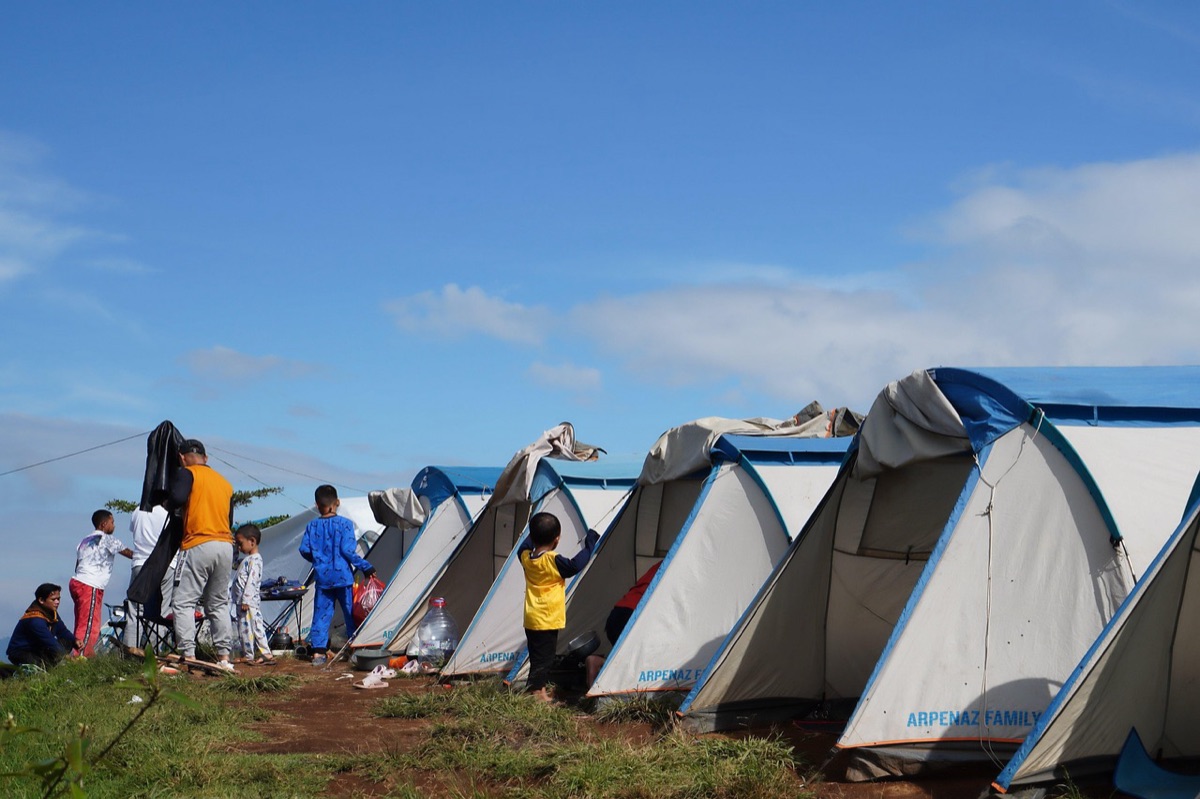
Different camping styles require different approaches to gear transport. A family setting requires a different logistical mindset than a solo backpacker trekking through deep powder.
| Camping Style | Primary Focus | Recommended Material/Feature |
|---|---|---|
| Beginner / Family | Ease of access & quick setup | Large capacity, water-resistant coatings |
| Intermediate / Upgrader | Organization & multi-layer protection | Internal compartments, heavy-duty zippers |
| Advanced / Solo | Weight-to-warmth ratio | Ripstop nylon, highly compressible, durable |
Beginner and Family Camping (Mild Winter) For those starting out or camping with family during mild winter periods, focus on easy access and quick setup. Your gear is likely bulkier, so look for bags that offer quick-access pockets for hand warmers or snacks.
The goal here is protection from light snow and frost without the need for specialized extreme-cold gear.
Intermediate Upgraders (Deep Freeze) As you move into more serious winter expeditions, focus on multi-layer protection and specialized organization. You will likely be carrying more specialized gear, such as thicker sleeping pads or extra layers.
A bag with organized compartments helps prevent "gear soup," where everything gets lost in one large, cold compartment.
Advanced Solo Backpackers (Extreme Cold) For the minimalist or the solo adventurer, the focus shifts to the weight-to-warmth ratio. You need gear that can survive prolonged exposure to severe cold without adding excessive weight to your pack.
Durability and the ability to withstand rough handling in backcountry environments are your top priorities.
As of 2025, lightweight minimalist bags are the preferred choice for fast-moving winter trekkers. For overnight stays, a 50-liter capacity provides enough room for a sleeping bag and extra insulation.
Weekend adventurers often opt for bags priced between $150 and $300 for a balance of durability and weight. When I tried a lightweight ultralight bag on a snowy ridge, I realized that insufficient padding made the straps dig into my shoulders painfully.
I would now always prioritize reinforced base materials for rugged terrain. But choosing the right style is only half the battle.
Packing Strategy: Surviving the Cold
The campsite is silent, save for the crunch of frozen snow under your boots as you prepare to organize your gear for the night. You carefully place your items, knowing that one mistake could lead to a very cold morning.
A successful winter packing strategy relies on the layering principle. Items that need the most protection from the elements should be placed deep inside the bag, while items you need frequently—like stoves, headlamps, or extra gloves—should be in the most accessible spots.
- Dry Everything First: Ensure all gear is completely dry before compression. Packing even slightly damp gear can lead to ice-up and rapid temperature drops inside the bag.
- Layering for Warmth: Place sensitive items, such as electronics or hand warmers, in the center of your gear pile to utilize the thermal mass of your other equipment.
- Sequence for Accessibility: Place your sleeping bag and primary insulation in the easiest-to-reach spots. You do not want to be digging through heavy gear in the dark to find your warmth.
- Manage Compression: Use compression straps to keep gear tight, but do not over-compress to the point where zippers are under extreme tension. Ensure zippers are fully sealed to prevent cold air infiltration.
Managing moisture is a crucial step in this process. Just as environmental factors like air quality can impact health, managing the internal environment of your gear bag is essential for survival and comfort.
If moisture is trapped, it will eventually freeze, turning your gear into a heavy, unusable block of ice.
As of 2025, efficient weight distribution is critical to prevent fatigue in freezing environments. You should pack heavy items like stoves and fuel canisters in the center of the bag to maintain balance.
Keep essential items like gloves or extra socks in an outer pocket for access within 30 seconds. It is vital to keep your sleeping bag in a waterproof dry bag to prevent moisture absorption.
- Place heavy items close to your back.
- Store sleeping bags at the bottom.
- Keep electronics in an internal insulated pocket.
- Place rain gear at the very top.
However, even the best strategy can be undone by common oversights.

Common Winter Camping Carry Bag Mistakes & How to Avoid Them
You wake up in the middle of the night to the sound of a zipper struggling to move, only to find that the cold has turned your gear bag into a frozen cage. It is a frustrating realization that many campers face during their first real winter outing.
Mistake 1: Underestimating the Cold Many campers pack gear meant for mild autumn conditions and expect it to perform in deep winter. This is a common error where people ignore the severity of environmental factors.
Always check the temperature ratings of your gear and the durability of your bag's materials before leaving home.
Mistake 2: The Moisture Trap Packing damp gear is one of the fastest ways to ruin a winter trip. If you pack a damp fleece or a slightly wet tent, that moisture will evaporate inside the bag and then refreeze.
This creates a cycle of dampness and ice that can compromise your insulation and make your gear much heavier than intended.
Mistake 3: Poor Organization Treating a large winter bag like a single deep hole leads to chaos. When you cannot find your stove or your extra socks in a blizzard, the situation becomes dangerous.
Always use organizational pouches or dedicated compartments to keep small, essential items from migrating to the bottom of the bag.
As of 2025, many campers fail to account for the extra volume required by winter gear. Overstuffing a 40-liter bag with a thick down jacket can result in a 10% loss in compression efficiency.
Using a bag with insufficient waterproofness can lead to gear soaking through during a 4-hour snowstorm. When I tried packing my wet gear inside the main compartment, the moisture seeped into my dry layers within minutes.
I learned that using external mesh pockets for wet items is much more effective. But what happens when things go wrong in the field?




Comments 0