Summer camp water risk: Guide to river creek camp safety
"The water that brings life to a campsite can also bring sudden change to its landscape."
Managing summer camp water risk requires understanding how local waterways interact with the terrain. This guide provides essential insights into flood risk camp site management, the nuances of a river creek camp safety plan, and how to navigate a water environment camp setup.
How do we assess a river creek camp safety plan?
A staff member stands at the edge of a muddy bank, watching the water level rise against a wooden post. Establishing a clear river creek camp safety plan begins with observing the natural flow and the confluence of different water sources.
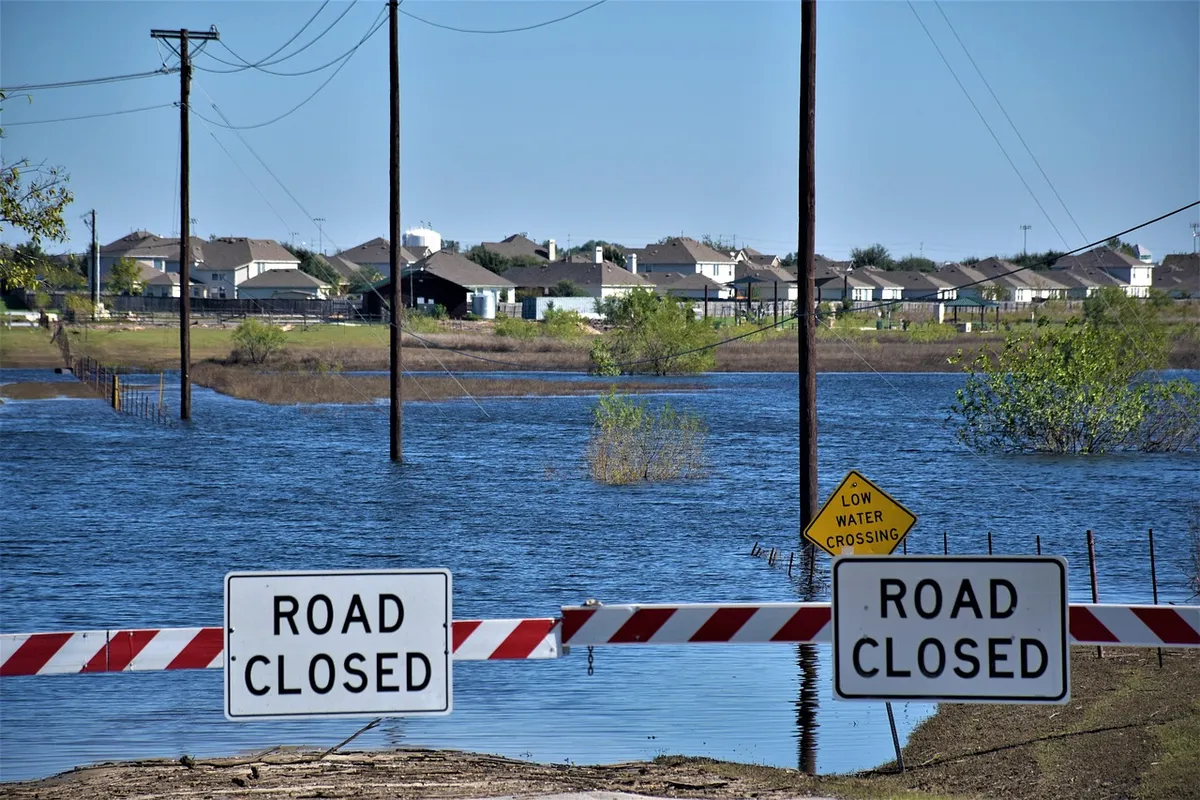
Effective management involves identifying the specific characteristics of the terrain where rivers and creeks meet. This intersection often creates unpredictable current changes and varying depths that can pose risks to participants.
A robust plan must account for these shifts in water volume and velocity.
The primary goal is to establish boundaries that prevent accidental contact with dangerous currents. By understanding how the water behaves during different weather patterns, organizers can set much safer zones for activities.
This proactive approach keeps the focus on recreation rather than emergency response.
- Evaluate the topography and historical water levels of the area.
- Identify potential hazards such as slippery banks or rapid currents.
- Verify the availability of emergency communication tools.
What are the challenges of a flood risk camp site?
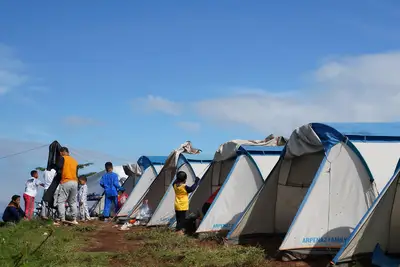
During a heavy storm, I stand in the muddy clearing and feel the cold rain soak through my clothes as the summer flood threatens the tents.
Rain begins to fall steadily over the campsite, turning the gravel paths into narrow streams. Managing a flood risk camp site requires constant monitoring of the surrounding topography and drainage capabilities.
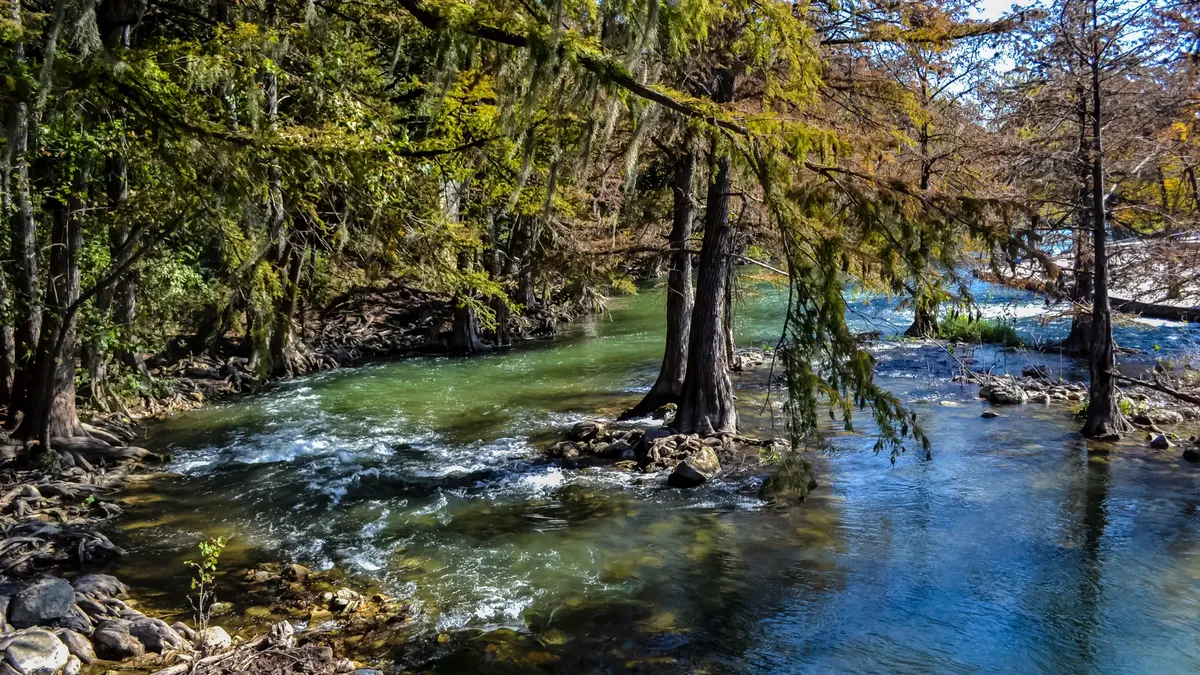
When a camp is located near active waterways, the potential for sudden flooding is a constant factor. A flood risk camp site must be evaluated based on its elevation relative to the water level. If the ground is prone to saturation, the stability of tents and structures becomes a primary concern.
Regularly checking the drainage efficiency of the site helps prevent localized flooding. It is vital to recognize that even a small creek can transform into a significant obstacle during heavy rainfall. Maintaining clear paths ensures that evacuations can happen without delay.
In this sequence, the second point is the most significant.
How to manage a water environment camp?
A counselor points toward a widening river as the group prepares for a morning hike. Setting up a water environment camp involves balancing the beauty of the landscape with the necessity of strict supervision.
A water environment camp requires specific protocols for every activity involving proximity to the water. This includes teaching participants about the strength of currents and the dangers of slippery banks. The environment must be treated as a dynamic entity that changes with the season.
Supervision levels should increase when activities move closer to the water's edge. Ensuring that all participants understand the specific risks of the local water body is the first step in successful management. This preparation builds confidence and reduces the likelihood of accidents.
How to handle sudden changes in the water environment camp?
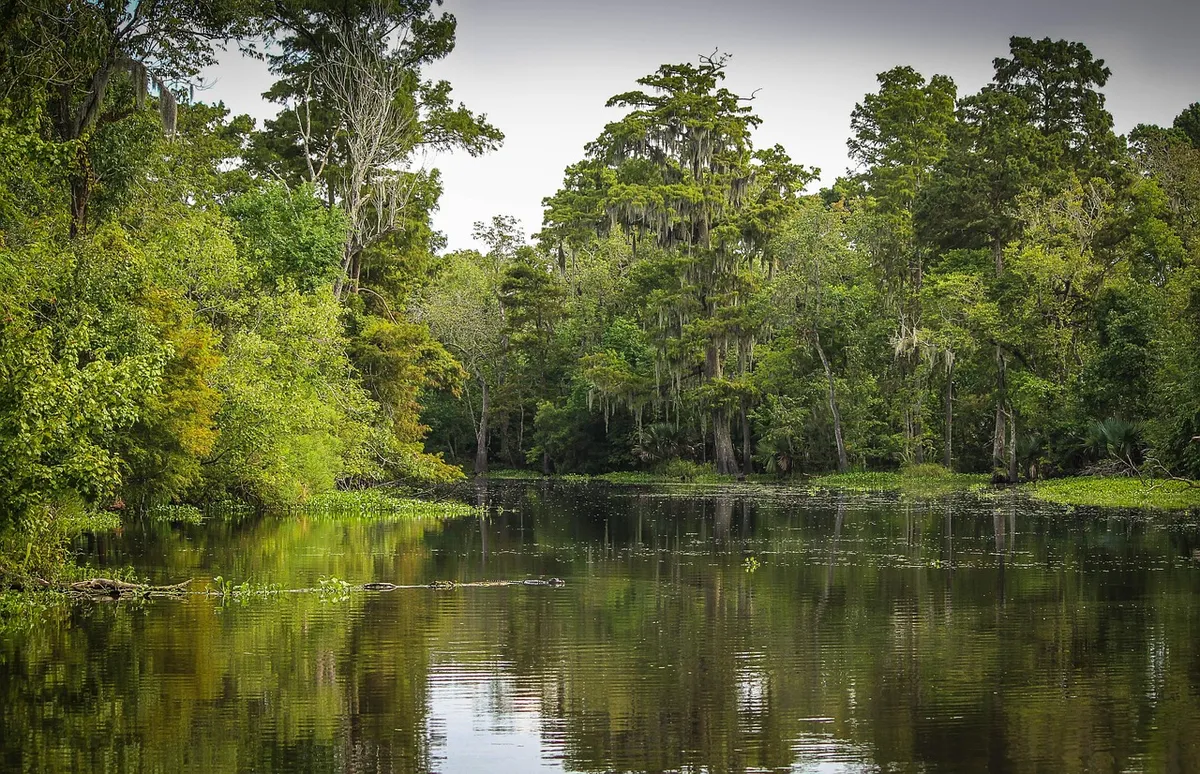
The sound of rushing water grows louder as a sudden storm approaches the valley. Managing a water environment camp during weather shifts requires immediate and decisive action to ensure everyone's safety.
When weather conditions change, the water level can rise much faster than anticipated. It is necessary to have a predetermined response for when the camp must move to higher ground. This transition should be practiced so that it becomes second nature to the staff and participants.
Always monitor weather reports and local water level indicators. If the water begins to encroach on established activity areas, the site must be evacuated or repurposed immediately. Staying ahead of the weather is the best way to manage these shifting conditions.
What are the essential steps for managing a river creek camp safety plan?
A group of volunteers gathers around a map to mark out the boundaries of the camp. Following a structured approach helps in creating a reliable river creek camp safety plan.
- Conduct a thorough site survey to identify high-risk areas near the confluence of water sources. 2. Establish clear, visible boundaries and signage to separate camp activities from the water. q3. Develop an emergency evacuation route that leads to a high-ground location away from the water.
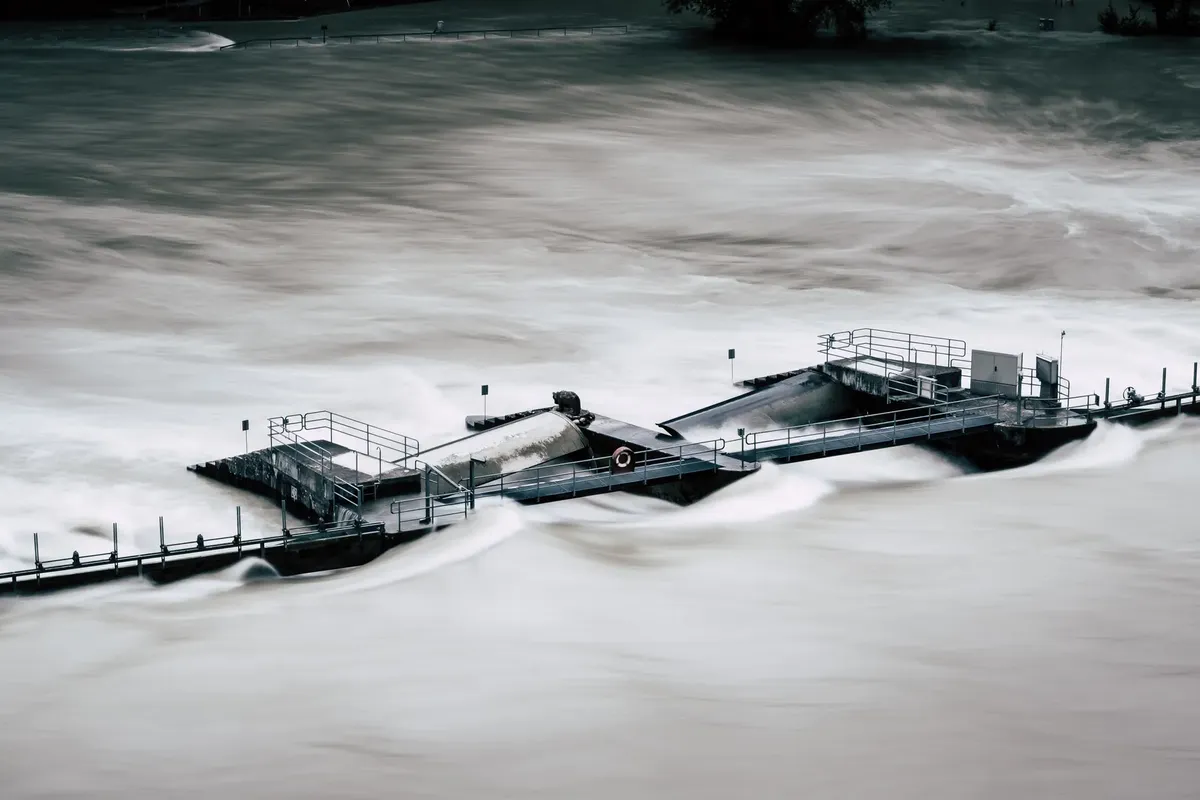
After completing these steps, perform a final check to ensure all staff members are trained on the new protocols. I remember walking the perimeter of a site during a heavy rain to ensure our markers were still visible.
Is there a limitation to these management strategies?
A heavy fog rolls in, obscuring the junction where the creek meets the river. A limitation to these strategies is that they cannot fully account for extreme, unprecedented natural disasters that exceed the site's design capacity.
| Strategy | Primary Focus |
|---|---|
| Boundary Setting | Preventing accidental entry |
| Evacuation Planning | Rapid movement to safety |
The effectiveness of these measures depends on the specific geological and hydrological characteristics of the site.
Related
- Camp Mystic Texas flood risk: 6 miles Why water levels shift
- Camp safety disaster prep: Facility management flood impact
How does the dynamic nature of the water environment affect camp operations? Water environment camp operations require continuous assessment because the landscape itself is never static. The environment must be treated as a dynamic entity that changes with the season, affecting the risks participants face. This ongoing evaluation ensures that the protocols remain relevant even as seasonal changes alter the local water body. Organizers must recognize that the strength of currents can shift dramatically from one season to the next. This seasonal variability necessitates adjusting supervision levels beyond what is required during stable periods. The water that brings life to a campsite also alters its characteristics throughout the year. Staff must constantly compare current conditions against the established safety plan boundaries. Furthermore, the potential for slippery banks increases or decreases depending on the amount of water present. This constant comparison allows management to maintain a high level of preparedness for any condition.
What are the specific cautions related to flood risk topography? Flood risk camp site topography demands constant vigilance regarding the surrounding land. A primary caution involves recognizing how saturation affects the stability of tents and structures. If the ground is prone to saturation, the weight of the structures can become unstable during heavy rain. This condition requires that structures be placed on the highest stable ground available. Monitoring the topography helps anticipate where the rising water will naturally pool. When the water level rises, the drainage capabilities of the site must be confirmed to prevent localized flooding. The ground's ability to absorb the incoming water dictates the severity of the risk. This caution emphasizes that the terrain itself is a critical factor in determining safety during a flood event.
Wikipedia: Mittelbau-Dora concentration camp







Comments 0