Pro Camping Tips: How to Manage 4 Seasonal Transitions
"Mastering the elements: How to transition from a novice to a pro by matching your gear to the shifting seasons."
To master year-round camping, you must distinguish between your base kit and seasonal-specific gear while always prepping for temperatures 5°C lower than the forecast.
Success depends on managing the primary environmental threat of the season—whether that is wind in the spring, heat in the summer, or frost in the winter.
* Seasonal Specificity: Gear must change based on the primary threat (Wind/Rain in Spring/Fall, Heat/Humidity in Summer, Cold/Frost in Winter). much * The Layering Principle: Success relies on layering—both in clothing (base/mid/outer) and in sleeping setups (ground pad/sleeping bag/blanket). * Safety First: Understanding seasonal risks (e.g., dehydration in summer vs. carbon monoxide in winter) is more critical than the gear itself.
How to Prepare for the Four Seasons: The Master Checklist
The sun dips below the jagged horizon of the Blue Ridge Mountains, and as the temperature plunges, a seasoned camper reaches for a heavy fleece rather than a light windbreaker. This isn't a reaction to a mistake; it is a calculated response to the environment.
The core of successful camping lies in distinguishing between "Base Gear"—the tent, stove, and table you use year-round—and "Seasonal Gear," which addresses specific weather challenges.
You cannot use a summer mesh tent to fight a winter frost, nor can you use a heavy canvas tent to survive a humid July afternoon.
The golden rule of temperature management is to always prepare for a temperature 5°C lower than the forecasted low. If the weather service predicts 10°C, your gear should be rated for 5°C.
Consider the seasonal risk matrix: * Spring: Wind, dust, and unpredictable rain. * Summer: Extreme heat, high humidity, and heavy insect presence. * Autumn: Sudden temperature drops and gusty winds. * Winter: Frost, snow, and the life-threatening risk of carbon monoxide.
Knowing these risks allows you to build a kit that protects you rather than just one that carries your supplies.
Spring & Autumn: Managing Wind, Dust, and Sudden Temperature Drops
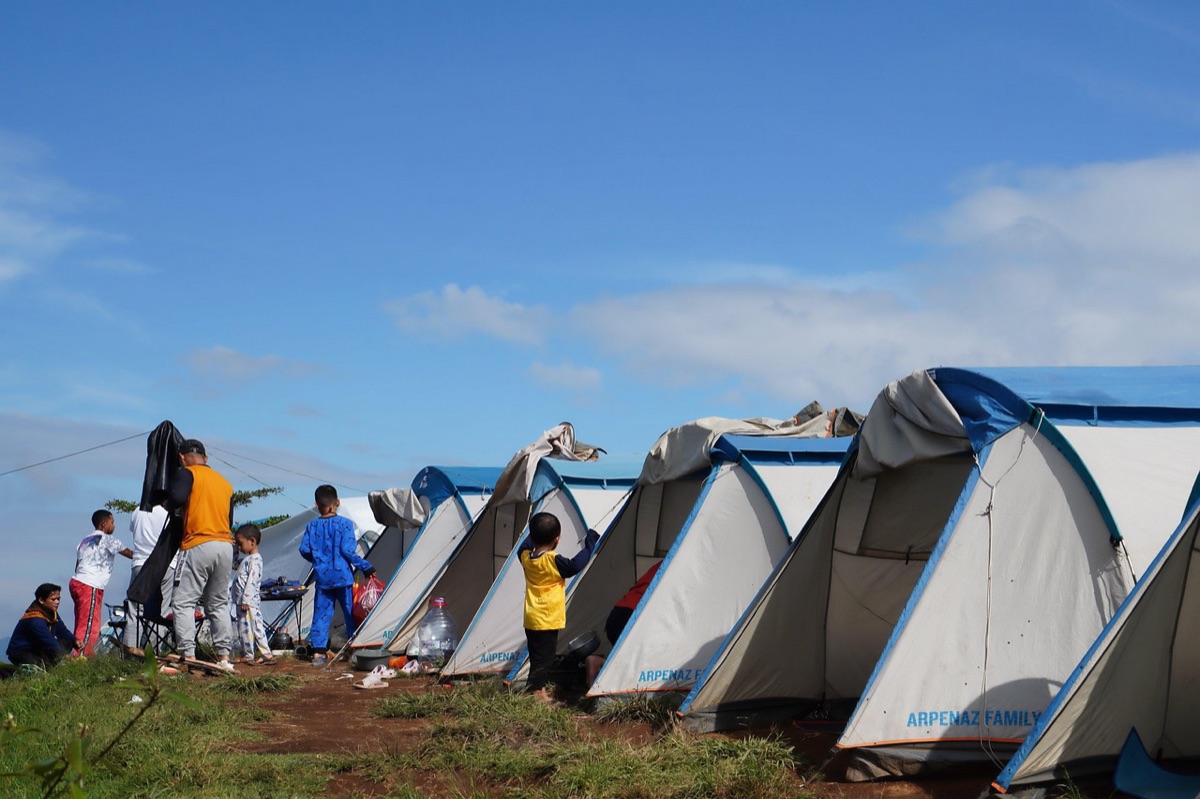
A gust of wind rattles the tent poles at 3:00 AM, sending a chill through the sleeping bag that makes the morning coffee seem like a distant dream. The transition seasons are often the most deceptive because the daytime warmth lures you into a false sense of security.
The transition challenge is managing the massive swing between a warm afternoon and a freezing night. You need mid-weight sleeping bags, typically rated for 5°C to 10°C, and a robust windbreak setup.
Follow these steps to own the transition seasons:
- Site Selection: Avoid valley floors where cold air naturally sinks and pools. Conversely, avoid high ridge tops where wind-chill can strip heat from your body instantly. 2. Groundwork: The ground is a massive heat sink. Use thick, insulated mats to prevent the earth from pulling warmth away from your body. 3. Tarp Tension: Ensure your tarp is tensioned tightly. Loose fabric flaps in the wind, creating noise that ruins sleep and can eventually tear stakes from the ground.
Layered clothing is your best defense. Use breathable base layers to manage sweat during the day and windproof shells to block the evening chill.
Summer: Beating the Heat, Humidity, and Insects
The heavy, wet heat of a July afternoon in the Great Smoky Mountains makes every movement feel like a struggle against a thick blanket. You sit in the shade of a massive oak, peeling a peach and wondering if the tent will ever feel cool again.
The battle in summer is against humidity and heat-induced exhaustion. You need high-airflow tents—usually those with mesh-heavy designs—rather than heavy canvas.
To survive the summer heat: * The Shade Strategy: Position your tarp to maximize airflow. If the sun hits the tent directly, it becomes an oven. * Hydration Management: Carry insulated water storage and focus on electrolyte-rich foods to prevent heat cramps.
* Ventilation: Keep tent doors and mesh panels open to allow air movement, but use heavy-duty insect repellent and mosquito nets to manage the bugs.
The goal is to keep the air moving. If you can trap heat in your tent, you will struggle to sleep.
Winter: The Ultimate Challenge of Cold and Frost
The silence of a snowy campsite is heavy, broken only by the occasional crack of a frozen branch. The air is so cold it feels sharp against your skin, and the warmth of your sleeping bag is the only thing standing between comfort and a dangerous night.
In winter, the mission shifts from comfort to survival. You must use high-R-value sleeping pads (an R-value of 4 or higher is mandatory) and winter-rated sleeping bags designed for sub-zero temperatures.
Follow these critical safety protocols:
- The CO Rule: Never use fuel-burning heaters in a fully sealed tent. Always maintain a vent gap to prevent carbon monoxide poisoning. 2. Insulation Layers: Create a "sandwich" of warmth. Start with a waterproof tarp/footprint, add a thick sleeping pad, and top it with a heavy blanket or sleeping bag. 3. Moisture Control: Manage your own breath. If you don's vent your tent properly, the moisture from your breath will turn into frost inside your sleeping bag.
Using a portable propane heater requires constant vigilance. If you feel a headache or dizziness, get to fresh air immediately.
Common Mistakes: Why Seasonal Camping Fails
A camper sits by a dying fire, shivering because they brought a summer-weight sleeping bag to a 2°C night. The tent is soaked because they didn't account for the heavy autumn rains.
The most common failure is the "One-Size-Fits-All" trap. Using summer-only gear in a cold environment is a recipe for disaster. Another mistake is neglecting the ground; many beginners focus on their sleeping bag but forget that the cold comes primarily from the earth beneath them.
| Season | Primary Threat | Essential Gear Focus |
|---|---|---|
| Spring | Wind & Rain | Windproof shells & waterproof tarps |
| Summer | Heat & Insects | Mesh tents & high-airflow setups |
| Autumn | Temperature Drops | Mid-weight bags & thick ground mats |
| s | ||
| Winter | Extreme Cold | High R-value pads & sub-zero bags |
How to Transition Your Gear Between Seasons
Moving from one season to another requires a systematic approach to your gear kit. You shouldn't just throw everything in a bag and hope for the best.
- Audit your base kit: Check tent integrity and stove functionality. 2. Swap the insulation: Trade summer bags for mid-weight or heavy-weight bags as the temperature drops. 3. Adjust the ground barrier: Increase pad thickness as the seasons turn colder. 4. Update your clothing layers: Move from single layers to a base-mid-outer layering system.
A successful transition means your gear works with the environment, not against it.





Comments 0