Winter camping tent guide: How to manage 5 criteria
"The cold is not just a temperature; it is a constant presence that tests your gear and your resolve."
Selecting a winter camping tent requires prioritizing structural integrity, insulation, and weather resistance to ensure safety in freezing environments.
This guide focuses on five essential criteria, ranging from snow load capacity to ease of setup in low temperatures, to help you prepare for much harsher conditions than summer trips.

Key takeaways include understanding thermal definitions, evaluating wind resistance, and preparing for the logistical challenges of cold weather.
What actually makes it a true winter camping environment? A hiker stands at the edge of a frozen clearing, looking at the heavy frost coating the trees. Understanding the specific climate you are entering is the first step in selecting a winter camping tent guide.
The Swedish Meteorological Institute (SMHI) defines thermal winter as when the daily mean temperatures are below 0 °C (32 °F) for five consecutive days. This specific definition helps campers understand when they are moving from casual cold-weather trips into true winter conditions.
When temperatures drop consistently, gear that performed well in autumn may fail under the sustained freeze. Choosing the right equipment becomes a matter of survival rather than just comfort.
How do I choose the best cold weather tent? Winter camping tent guide
The wind howls against the fabric, causing the tent poles to flex visibly in the moonlight. Finding the best cold weather tent involves looking for reinforced pole structures and aerodynamic shapes.
A tent designed for winter must withstand significant wind loads and heavy snow accumulation. This means looking for specialized pole materials that do not become brittle in the cold and shapes that shed snow easily.
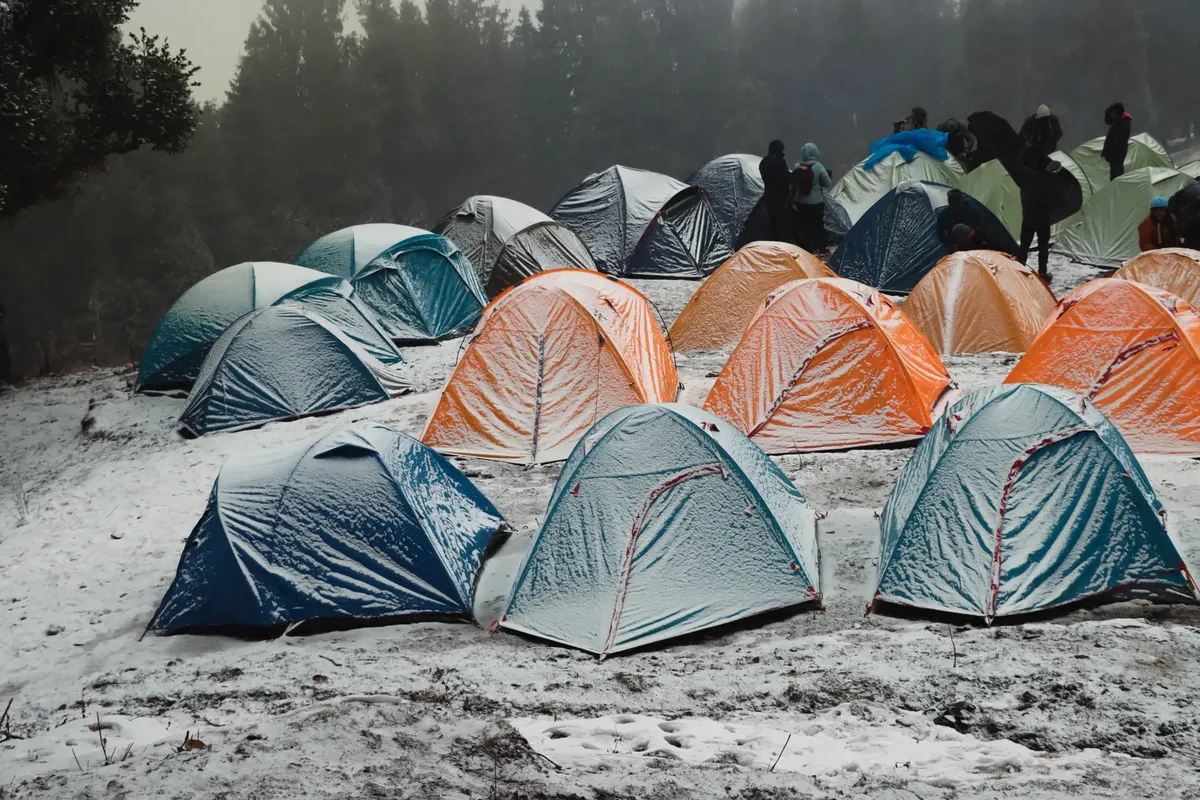
While a standard dome tent might suffice for a chilly night, a dedicated winter model provides the structural rigidity needed during a storm. Selecting a cold weather tent requires balancing weight against the strength needed to prevent collapse under environmental pressure.
How do I set up my tent for cold weather camping? A camper struggles to pull a frozen tent stake from the hard-packed ground, breathing heavily in the frigray air. Effective cold camping tent tips often involve managing the physical difficulty of setting up gear in freezing temperatures.
Setting up a tent in the snow or on frozen ground requires specific techniques and hardware. You might need to use snow stakes instead of standard pegs to prevent the structure from shifting.
Additionally, the ability to pitch the tent quickly is vital when the sun is setting and temperatures are plummeting. If you cannot manage the setup in minutes, the physical exertion might lead to unwanted perspiration, which can cause dangerous cooling once you stop moving.
What are the specific snow camping tent needs?
Snow piles up against the base of the tent, creating a heavy, white wall that threatens to bury the entrance. Addressing snow camping tent needs means verifying the tent's ability to handle weight and moisture.
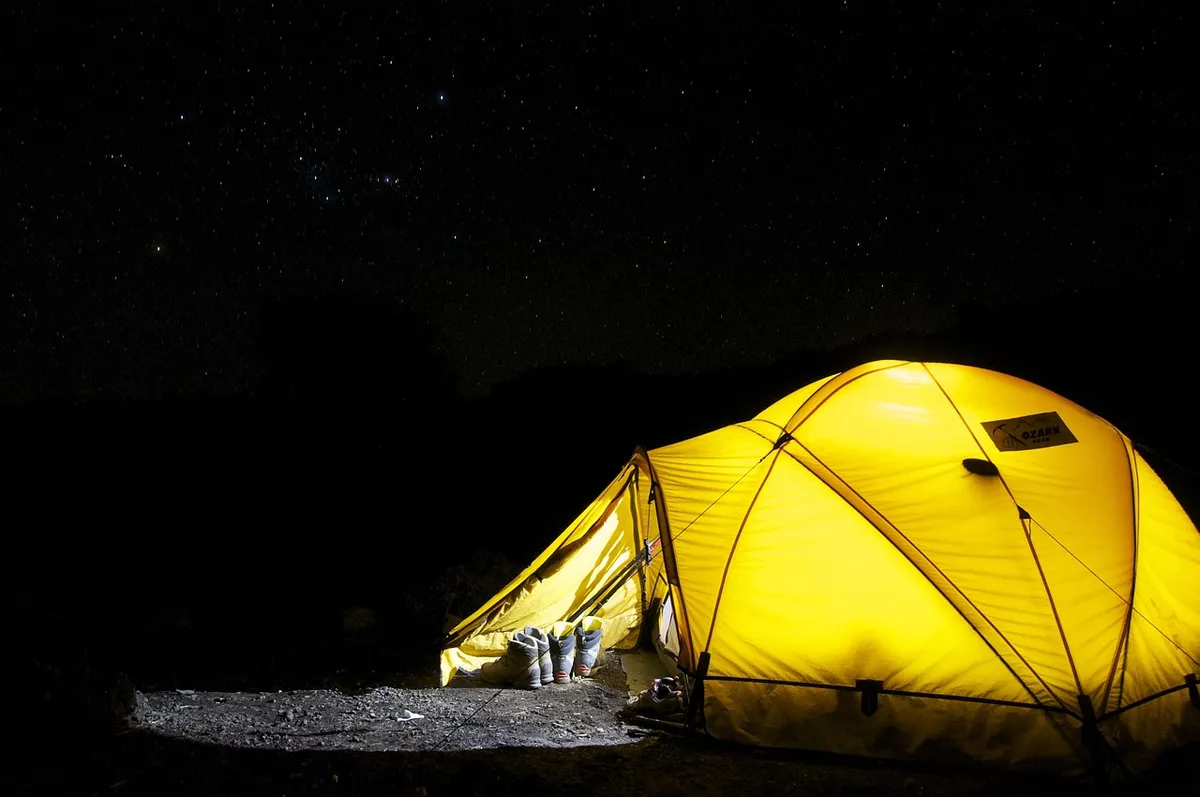
The structure must be able to support the weight of accumulating snow without buckling. This often involves steeper-walled designs or reinforced ridge poles. Furthermore, managing moisture is critical, as snow melting against the tent wall can lead to internal dampness.
A robust design ensures that the tent remains a dry, stable sanctuary even when surrounded by deep drifts. Selecting a cold weather tent requires checking how the floor material handles the pressure of snow-packing.
How do I manage the 5 criteria for winter tents?
A camper checks the zippers and the vestibule space, ensuring there is enough room to store gear away from the sleeping area. Applying the 5 criteria for winter tents ensures that every aspect of the shelter is accounted for.
- Evaluate the pole strength and material to ensure they can handle heavy snow loads and high winds. 2. Check the fabric's waterproof rating and its ability to resist tearing when frozen. functionality. 3. Verify that the tent has sufficient ventilation to prevent condensation buildup inside the shelter. 4. Ensure the tent floor is thick enough to provide a barrier against the frozen ground. 5. Confirm that the setup process is manageable with heavy gloves or in low-visibility conditions.
After completing these steps, I always perform a final check of the guy lines to ensure they are taut and secure against the wind.
Essential winter camping gear limitations
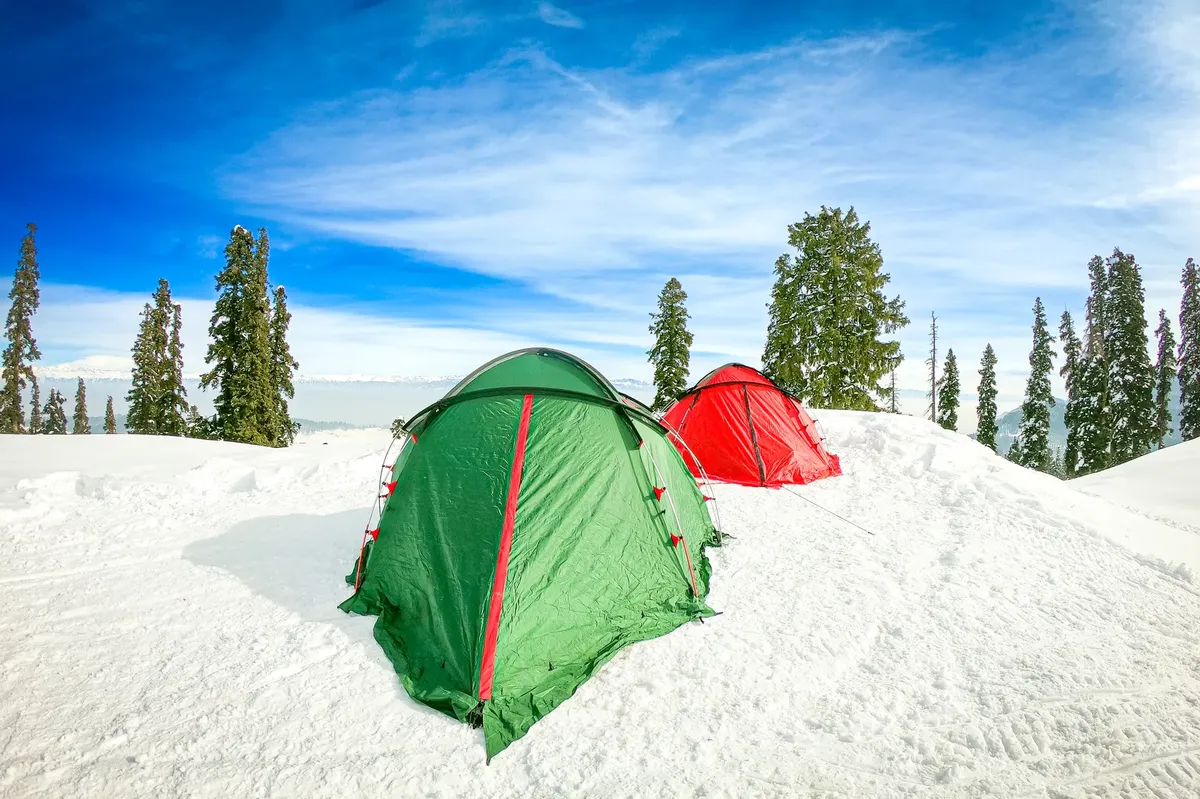
A camper sits inside the tent, looking at the small space available for gear and warmth. It is important to recognize that even the most robust shelter has limitations.
While a high-quality tent provides a barrier, it cannot generate heat on its own. A limitation of any winter shelter is that it only provides protection from the elements; it does not replace the need for high-quality sleeping systems and proper layering.
The tent is a shell, and its effectiveness is limited by the temperature regulation of the occupants.
The subject here is Winter camping tent guide.
The same subject is also called Choosing winter tent.
Related
- Winter camping tent guide: Tips for best cold weather tent
- Menstrual Cup use guide: 4 hours for comfort and efficiency
What are the risks associated with low temperature conditions? 1. Sustained low temperature conditions can cause gear that functioned adequately in autumn to fail under the prolonged freeze. 2. If a camper cannot manage the tent setup quickly when the sun is setting and the temperature is dropping, physical exertion might lead to perspiration, which subsequently causes dangerous cooling. 3. Even the most durable shelter has limitations because it cannot generate heat independently. 4. The shelter’s effectiveness is constrained by the temperature regulation maintained by the people inside.
When should structural integrity be the primary focus? Structural integrity becomes the paramount concern when the climate meets the definition of thermal winter. This condition is met when the daily mean temperatures remain below 0 °C (32 °F) for five consecutive days, as defined by the Swedish Meteorological Institute (SMHI). In such a sustained cold temperature environment, the tent must possess the necessary strength to resist environmental pressures.
When considering the required strength, one must evaluate the pole strength and material to ensure it can manage both heavy snow loads and high winds. This assessment is crucial because a standard dome tent may not offer the required rigidity during a severe storm.







Comments 0