Winter camping tent guide: Tips for best cold weather tent
"The cold is a relentless force that demands respect and preparation."
Selecting a winter camping tent requires balancing thermal efficiency, structural integrity, and enough interior volume to manage gear and movement.
This guide focuses on how to pick winter gear by evaluating structural stability, insulation, and ventilation to ensure a safe and comfortable experience. Key takeaways include prioritizing wind resistance, managing moisture through proper airflow, and ensuring enough space for seasonal gear.
How do you ensure stability when choosing a winter tent?

A heavy wind gusts against the fabric, threatening to collapse the frame during a freezing night. Choosing winter tent models starts with assessing the pole structure and the ability to withstand snow loads.
A robust frame is essential for maintaining the shape of the shelter when weight accumulates on the roof.
The structural integrity of a shelter depends heavily on the pole material and the geometry of the design. If you are looking for a durable camping shelter, geodesic or tunnel designs usually offer superior wind resistance.
These shapes distribute the pressure of the wind and the weight of the snow more evenly across the poles.
When you are out in the field, you might find yourself tightening a guy line against a sudden gust. A well-designed frame allows for secure anchoring in frozen ground. Ensuring the poles are made of high-quality materials helps prevent snapping under extreme tension.
However, these stability measures may be less effective in extremely high-velocity wind gusts that exceed the tent's design limits. In this sequence, the second step is the most critical.
Why is ventilation important for a cold weather tent? Winter camping tent guide
Condensation drips from the ceiling as the temperature drops outside the fabric wall. Managing moisture is a critical part of tent selection for winter. Without adequate airflow, the breath of sleepers can turn into frost inside the living area.
A common mistake is sealing the tent too tightly to trap heat, which leads to dangerous moisture buildup. A proper vent allows for a controlled exchange of air while keeping the warmth inside. The goal is to balance heat retention with the need to exhaust humidity.
I once had to clear frost from the inner mesh because the air was too still. Using a vent helps prevent this buildup. A reliable vent system keeps the interior dry and prevents the fabric from becoming heavy with moisture.
Nevertheless, insufficient airflow can still lead to condensation issues if the temperature differential is too extreme. I will focus on the second point in this discussion.
How much space is needed for winter camping?
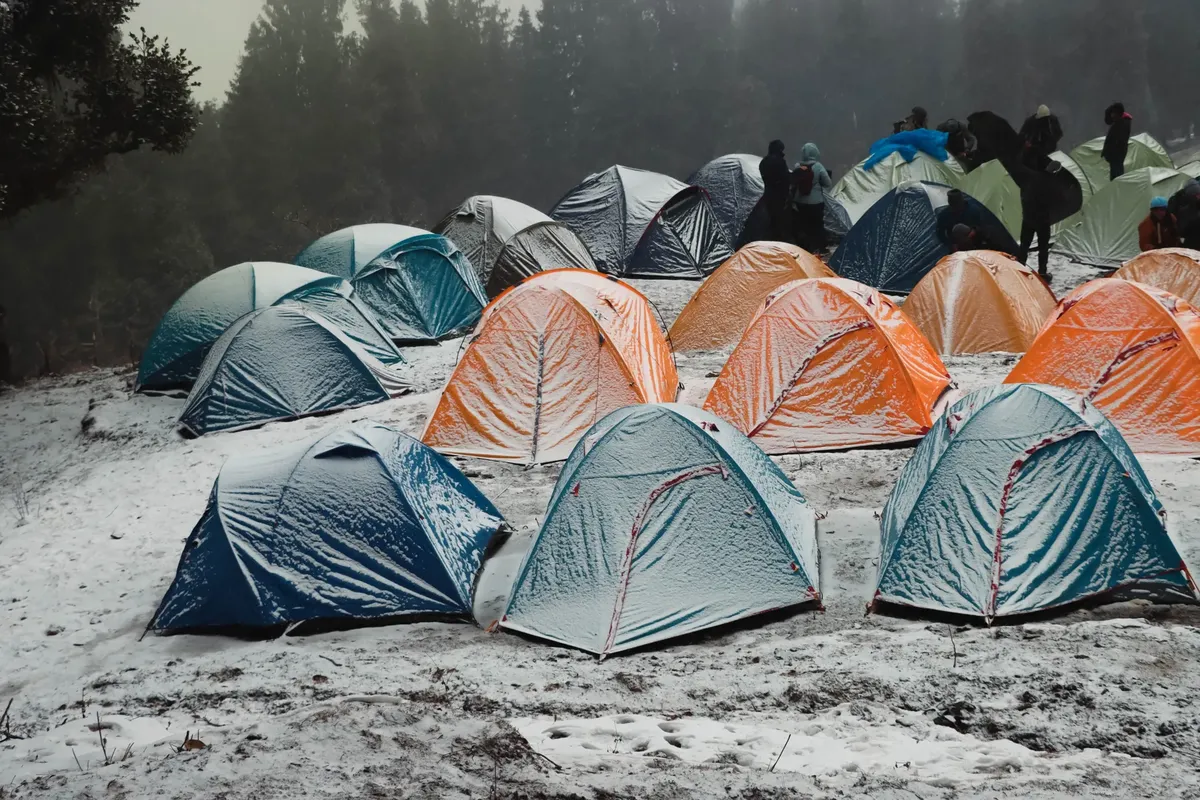
I knelt on the frozen ground at dawn, struggling to organize my heavy gear within the cramped confines of the winter shelter.
A bulky sleeping bag and a heavy heater take up significant room on the floor. When comparing cold weather tents, the internal volume must account for more than just sleeping pads. You need space for gear, food storage, and movement.
The floor area of a tent must be large enough to prevent the walls from touching your sleeping bag. If the fabric touches you, the cold will transfer directly to your body. This is why extra square footage is often necessary in freezing environments.
A large enough footprint allows for organized gear placement. If the space is too cramped, it becomes difficult to move around or manage equipment. A spacious layout helps maintain a more stable internal temperature.
That being said, choosing a larger footprint may compromise the ability to maintain heat in freezing conditions. This section's second point is the most detailed.
What are the steps to evaluate a tent's durability?
The sun hits the frozen fabric, revealing the texture of the heavy-duty material. Evaluating a tent's durability involves checking the fabric weight, seam strength, and zipper quality. A failure in any of these components can lead to a much colder environment.
- Inspect the Denier rating of the fabric to ensure it is thick enough for wind and snow resistance. 2. Check the seam sealing to confirm it can handle moisture without leaking. 3. Test the zippers to ensure they operate smoothly even when cold.
After completing these checks, you can feel more confident in the gear's longevity. I always double-check the tension on the seams before packing. A final check of all attachment points ensures the shelter is ready for the elements.
However, durability assessments may not fully account for unpredictable environmental stressors encountered in the field. The second step in this process is the most involved.
How does the environment affect tent selection?
The snow piles up against the base of the tent, creating a natural wall. Different environments require different approaches to tent selection for freezing nights. A desert winter requires different protection than a mountain winter.
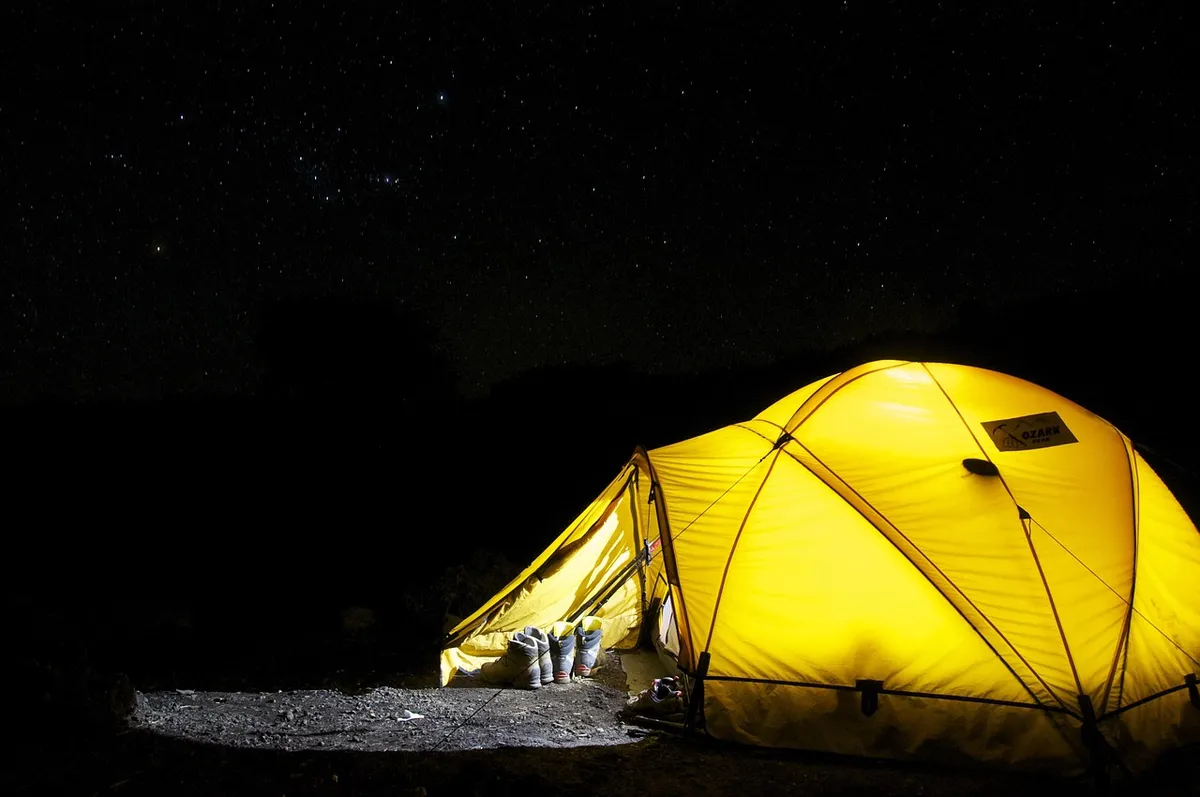
In high-altitude or heavy-snow regions, the ability to shed weight is vital. A tent designed for heavy snow must have steep enough walls to prevent accumulation. In wind-prone areas, a lower profile might be more effective at reducing drag.
The environment dictates the specific needs of your gear. A tent that works in a forest might fail on an open tundra. Matching the design to your specific destination is the most important part of the process.
Still, these environmental considerations might not apply to controlled indoor testing environments. I find the second point in this list to be the most significant.
The subject here is Winter camping tent guide.
Related
- Menstrual Cup use guide: 4 hours for comfort and efficiency
- Tent Durability Tips Easy tent setup guide for campers
How does the cold impact material choice? 1. The cold temperature stresses the tent fabric, making material resilience a key consideration. 2. High-quality materials resist becoming brittle when exposed to the cold. 3. Seam strength must be sufficient to hold against the strain imposed by the cold and wind. 4. Fabric weight must be appropriate for the expected snow load in the cold environment.
When the cold is a relentless force, the materials must perform under extreme conditions. Inspecting the Denier rating helps confirm the fabric's ability to resist the elements. A material that lacks necessary thickness will fail when subjected to the cold's demands.
However, material performance may still vary depending on the specific humidity levels present. The second step described here is the most extensive.
What precautions should be taken regarding moisture management? 1. Always ensure the tent has a functional vent system to manage humidity. 2. Never seal the tent completely to trap heat, as this encourages dangerous moisture buildup. 3. Monitoring for condensation dripping from the ceiling is a sign that airflow needs adjustment. 4. A reliable vent system maintains a dry interior, which is crucial when the cold is a relentless force.
Managing moisture prevents the interior from becoming saturated, which compromises insulation. If the air remains still, frost can form inside the living area, reducing usable space. Proper airflow allows for a controlled exchange of air, balancing warmth retention with humidity exhaust.







Comments 0