Glacier safety Winter camping glacier safety tips guide
"The cold is a constant companion that requires respect, preparation, and the right gear to manage safely."
Winter camping glacier safety requires meticulous planning to mitigate environmental hazards like extreme temperature drops and terrain instability. This guide covers essential preparation steps, equipment needs, and risk assessment strategies for cold-weather expeditions.

* Understand thermal winter definitions and temperature shifts. * Prepare specialized gear for extreme cold. * Assess terrain risks in glacial environments. * Follow safety protocols for winter adventures.
How do I prepare for a thermal winter?
At dawn, I pull a heavy wool sweater over my shivering shoulders while contemplating the frozen path of the distant glacier.
A hiker stares at a thermometer as the mercury dips toward freezing in the early morning light. Understanding the environment is the first step in managing ice camping hazard guide protocols.
The Swedish Meteorological Institute (SMI) defines thermal winter as when the daily mean temperatures are below 0 °C (32 °F) for five consecutive days. Recognizing these sustained temperature drops is vital for survival.
Effective cold weather glacier prep begins with planning for these extended periods of low temperatures. You must ensure your shelter and insulation can withstand constant freezing conditions.
- Acclimatize your body to colder temperatures through gradual exposure.
- Test all insulation layers in various weather conditions.
- Organize your gear to ensure easy access to essential warmth layers.
What gear is necessary for ice camping? Winter camping glacier safety
As the sun rises over the frozen valley, I pull a heavy down jacket tight against my chest to shield myself from the biting wind near the glacier.
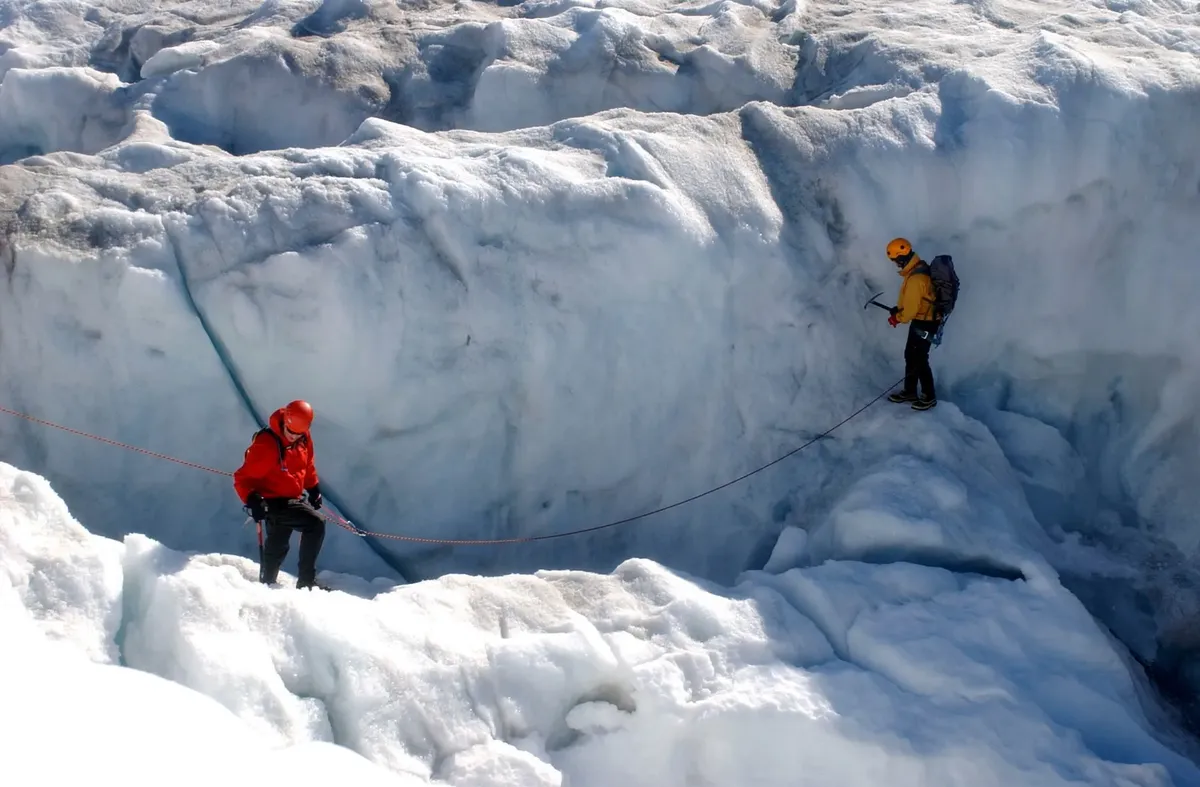
A camper pulls a thick sleeping bag from a heavy pack, feeling the weight of the insulation. Selecting the right gear is the foundation of a successful snow camping risk and safety plan.
Equipment must be rated for the specific environment you intend to enter. For example, a mummy sleeping bag might be ideal for temperatures down to 25 degrees.
When managing ice camping hazard guide requirements, layered clothing and high-quality insulation are non-negotiable. Always verify that your gear's temperature rating provides a sufficient buffer for the expected climate.
In this list, the second item is the most critical for survival.
How can I manage glacier risks?
A climber looks out over a vast, fractured landscape of ice and snow. Navigating these terrains requires a specific focus on preventinging ice camping dangers through careful route selection.
Terrain stability in glacial regions can change rapidly due to temperature fluctuations. Evaluating the ground and ice integrity is a constant necessity during any winter expedition.
A glacier hazard winter plan should include knowledge of local topography and seasonal changes. Understanding how ice behaves under different thermal conditions helps in making safer travel decisions.
What are the steps for a safe winter expedition?
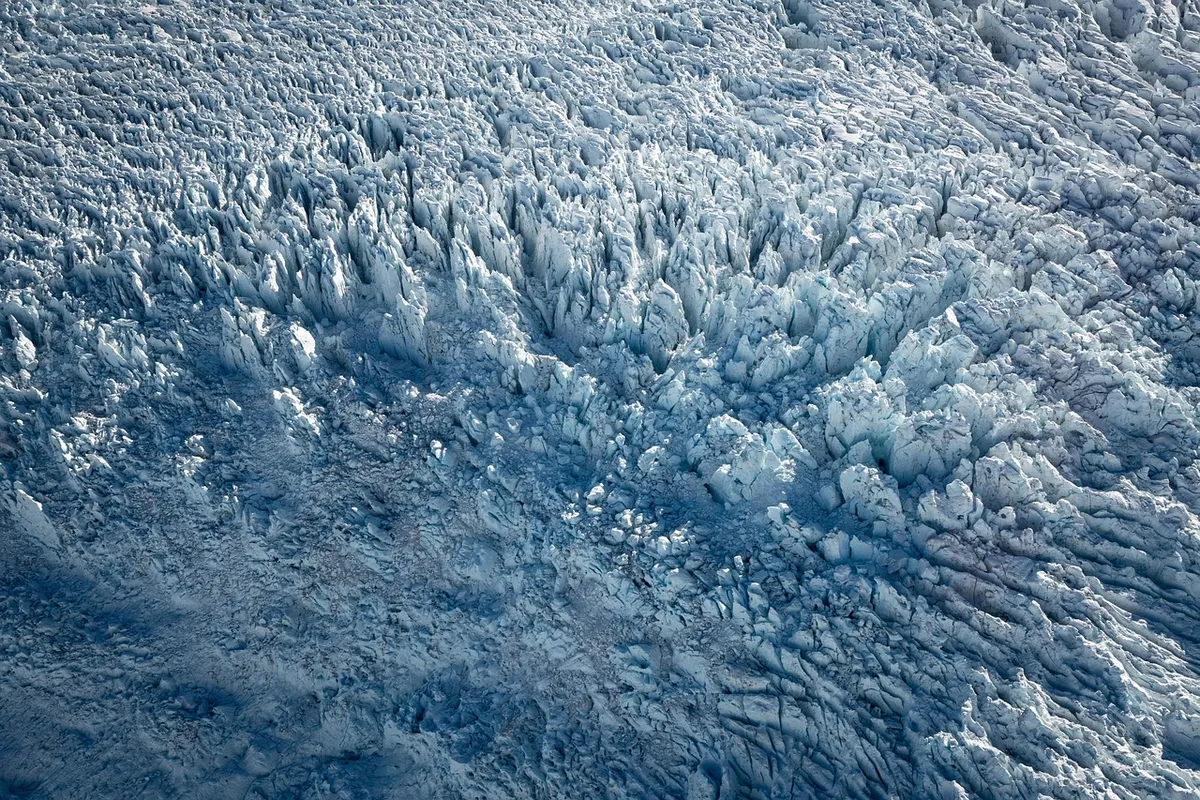
An adventurer checks their compass and map against the backdrop of a rising winter sun. Following a structured approach ensures that no critical safety component is overlooked.
- Analyze weather forecasts to identify potential thermal winter conditions. 2. Select gear that meets or exceeds the expected temperature minimums. 3. Establish a clear communication and rescue plan before departure.
Always perform a final check of all equipment and supplies before leaving your base. This ensures you are prepared for the specific challenges of the environment.
How do I apply these steps to existing conditions?
A trekker adjusts their pack while standing on a frozen trail, considering the rugged terrain ahead. Applying these steps to existing conditions requires constant vigilance and adaptation.
If you encounter a sudden drop in temperature, you must immediately assess your thermal protection. Adjusting your layers or seeking better shelter can prevent dangerous health effects.
| Gear Type | Example Feature | Purpose |
|---|---|---|
| Sleeping Bag | Mummy Style | Temperature retention |
| Clothing | Layered System | Thermal regulation |
I always verify my temperature ratings against the current forecast before heading out.
What are the limitations of winter planning?
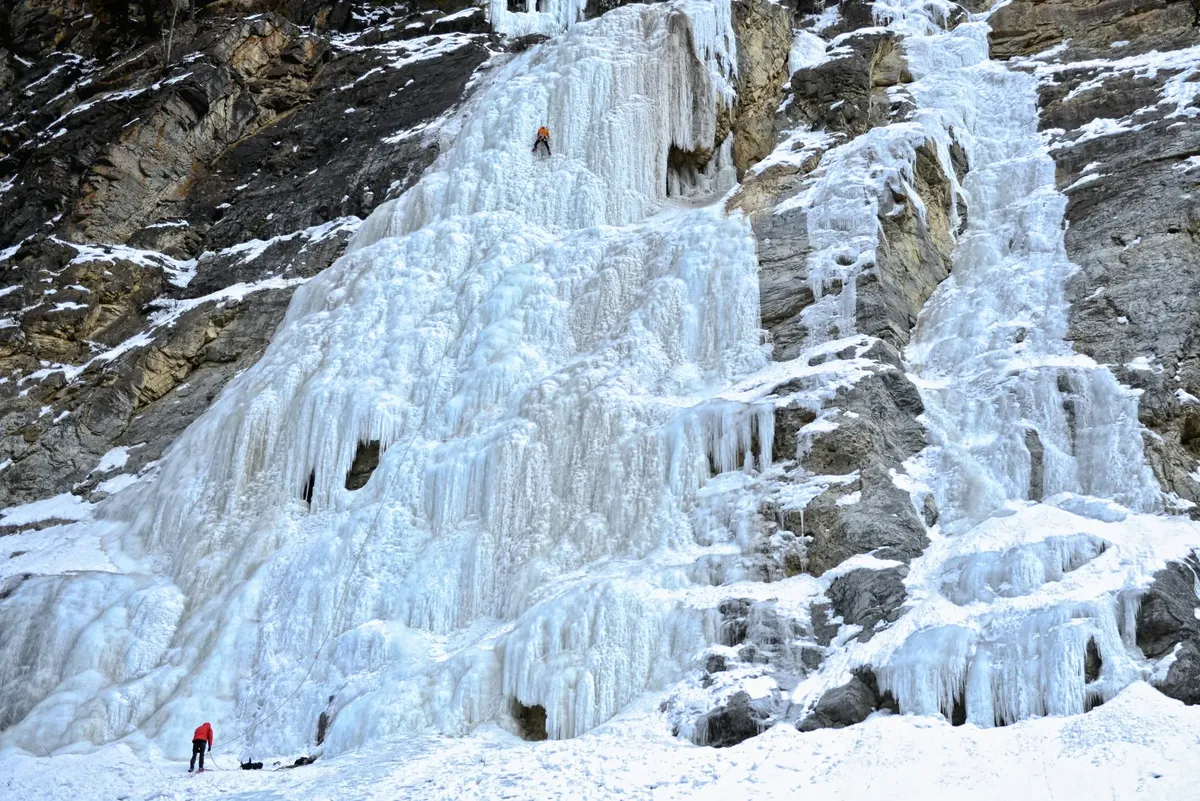
A traveler pauses to look at the vast, empty horizon of a snow-covered valley. Even with the best preparation, certain environmental factors remain unpredictable and dangerous.
A limitation of any plan is the inherent unpredictability of sudden weather shifts in wilderness areas. A plan based on a specific temperature rating may not account for extreme, unforeseen gusts or sudden storms.
The subject here is Winter camping glacier safety.
The same subject is also called Snow camping risk check.
The same subject is also called Frozen ground safety tips.
This part also covers Preventing ice camping dangers.
This part also covers Safe cold weather camping.
Preventing ice camping dangers
Related
- Winter camping ice grip less: Best gear for 32
- Lighten winter camping gear: Tips for cold trips survival
When is the cold a constant threat? 1. The cold is a constant companion that demands thorough preparation for any winter expedition. 2. Extreme temperature drops present a significant environmental hazard in glacial settings. 3. Respecting the cold necessitates having the correct gear to manage the risks involved.
This constant presence of cold requires constant awareness of shifting conditions. Recognizing the cold's persistent nature informs the need for layered protection against its effects. Proper gear selection helps mitigate the dangers presented by the cold environment.







Comments 0