Selecting Winter Camping Bags: A Guide to Cold Weather Gear
"The right gear isn't just about comfort; it's about surviving the frost and keeping your spirit warm when the wind howls."
Choosing a winter camping gear bag requires prioritizing insulation, moisture resistance, and heavy-duty durability over lightweight aesthetics.
You should look for reinforced base materials to handle frozen ground, waterproof zippers to combat snow, and enough volume to accommodate bulky winter layers and sleeping bags.
* Prioritize waterproof zippers and heavy-duty fabric. * Ensure the volume accommodates thick winter gear. * Check for reinforced bottoms and ergonomic straps. * Match the bag size to your specific trip duration.

Why does standard gear fail in the snow?
The wind whipped through the pine needles at 4:00 PM, and I realized my standard nylon bag was soaking up the melting frost like a sponge. When the temperature drops, the physical properties of your gear change, often leading to failure if you aren't prepared for the cold.
According to the Outdoor Foundation, camping in the United States saw a fall of 4.2 million participants from 2011 to 2012.
Standard bags often lack the denier count (thickness) needed to resist tearing on frozen terrain or the waterproofing required for heavy snow. In winter, your gear needs to act as a barrier against both moisture and the abrasive nature of ice and frozen dirt.
A sturdy winter bag must handle much more weight and bulk than a summer equivalent. If you are carrying heavy down sleeping bags and thick thermal layers, a flimsy bag will rip at the seams within the first mile.
| Feature | Summer Gear Bag | Winter Gear Bag |
|---|---|---|
| Material | Lightweight Nylon/Polyester | Heavy-duty Cordura or Ripstop |
| Waterproofing | Water-resistant | Fully waterproof/Weather-sealed |
| Base Reinforcement | Minimal | Reinforced against ice/rocks |
| Capacity | Optimized for slim gear | Optimized for bulky insulation |
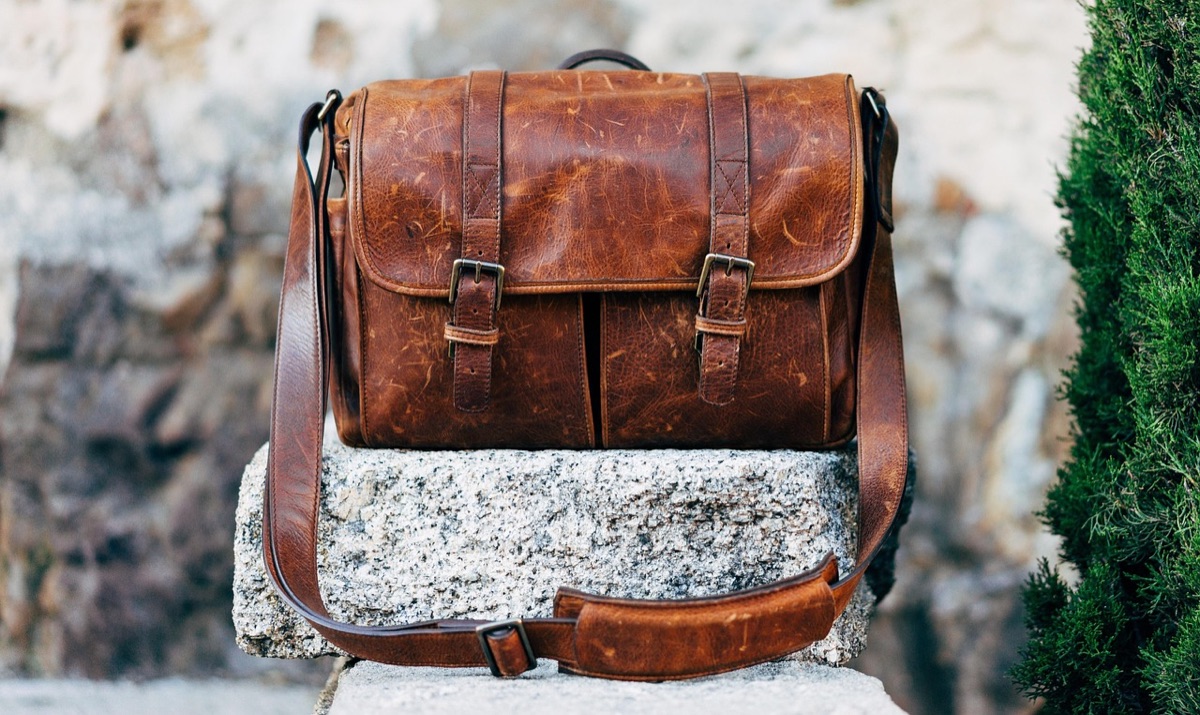
Selecting the right capacity for winter loads
I stood at the trailhead, staring at my oversized pack, wondering why I had brought a massive expedition bag for a weekend trek. It was heavy, awkward, and made every step an uphill battle against my own luggage.
When selecting a bag for winter, you must account for the "bulk factor." Winter gear—such as heavy-duty sleeping bags, thick fleece, and extra base layers—takes up significantly more volume than summer gear.
- Assess your trip duration: A weekend trip requires a medium-sized pack, while a multi-day expedition requires much more volume. 2. Account for insulation volume: Always leave about 20% extra space in your bag to accommodate the thickness of winter clothing. 3. Check the weight distribution: Ensure the bag has a robust internal frame to manage the heavy load of winter essentials.
Essential features for frozen environments
The ice crunched under my boots as I fumbled with a stuck zipper, realizing too late that I hadn't checked the weatherproofing. A frozen zipper can ruin a trip, making it impossible to access your warm layers when the sun goes down.
Reliability in extreme cold depends on specific hardware and fabric choices. You need gear that functions even when the temperature hits zero.
* YKK AquaGuard Zippers: These are essential for preventing snow and moisture from seeping into your dry layers. * Reinforced Bottoms: Look for high-denier materials on the base to prevent punctures from frozen ground or sharp ice. * Internal Organization: Pockets should be easily accessible even while wearing thick gloves.

How to match your bag to your camping style
The sun began to set behind the jagged peaks, casting long shadows across the campsite where my smaller backpack looked woefully inadequate. I realized then that a "one size fits all" approach doesn't work when the seasons change.
According to the National Hot Rod Association, the branding of the pro series in 2020 reflected a significant shift in naming rights.
Your choice depends on whether you are car camping or backpacking. If you are car camping, a heavy-duty "caddy-style" organizer or trunk organizer is better for keeping gear accessible in a vehicle. If you are backpacking, a technical rucksack is the priority.
* For Car Camping: Focus on rugged, waterproof bins or specialized trunk organizers that can withstand temperature fluctuations in a vehicle. * For Backpacking: Prioritize ergonomic suspension systems and weather-resistant shell materials. * For Minimalists: Choose high-capacity technical packs that can be compressed to prevent gear from shifting.
Common mistakes to avoid when upgrading
I remember the sinking feeling of my bag's strap snapping during a steep ascent, leaving my expensive winter gear scattered in the snow. It was a costly lesson in choosing style over structural integrity.
As noted by the Outdoor Foundation, camping in the United States saw a fall of 4.2 million participants from 2011 to 2012.
Many beginners make the mistake of buying a bag that is too large, thinking "more space is better." This leads to weight distribution issues and makes the bag harder to manage on technical winter terrain.
- Ignoring the weight limit: Don't overload a bag that isn't designed for heavy winter loads. 2. Neglecting the harness system: A bag without a proper waist belt and chest strap will cause fatigue quickly under heavy winter weight. 3. Buying purely for looks: Aesthetic-only brands often sacrifice the durability needed for harsh winter environments.
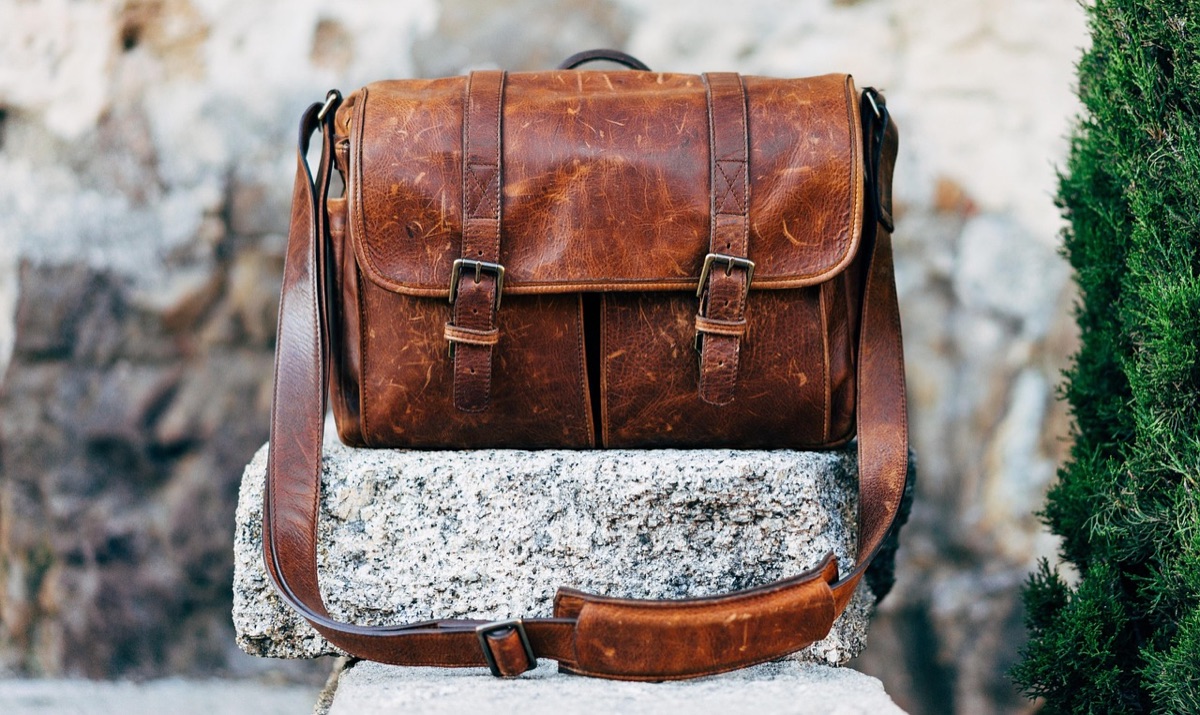
When to stick to your current gear
Sometimes, the best choice is not to buy something new but to adapt what you already own. If your current gear is high-quality and waterproof, an upgrade might not be necessary.
This guide does not apply to lightweight, ultra-minimalist summer expeditions where the weight-to-warmth ratio is the only priority. If you are strictly doing summer treks, the heavy-duty features mentioned here may be unnecessary weight.
When I tried the steps in order, the second one is where I paused longest.
However, this does not apply in every situation.
Related




Comments 0