Weight Management: How to Choose the Right Gear for Hiking
"The lightest pack makes for the most perfect journey."
Backpacking isn't just about cutting weight; it is the process of defining a manageable load and designing optimal survival and comfort within those limits.
To avoid getting lost between weight and functionality, you must establish five clear criteria: weight distribution, functional balance, volume efficiency, ease of setup, and durability.
* Weight Distribution: Prioritize load-bearing capacity that disperses weight to your hips. * Function vs. Weight: Not everything needs to be ultralight, but core gear touching your body should be. * Volume Minimization: Choose gear that maximizes packing efficiency for narrow trails. * Ease of Setup: Opt for intuitive products to reduce fatigue at the campsite. * Durability: Select reliable gear that won't fail in harsh natural environments.
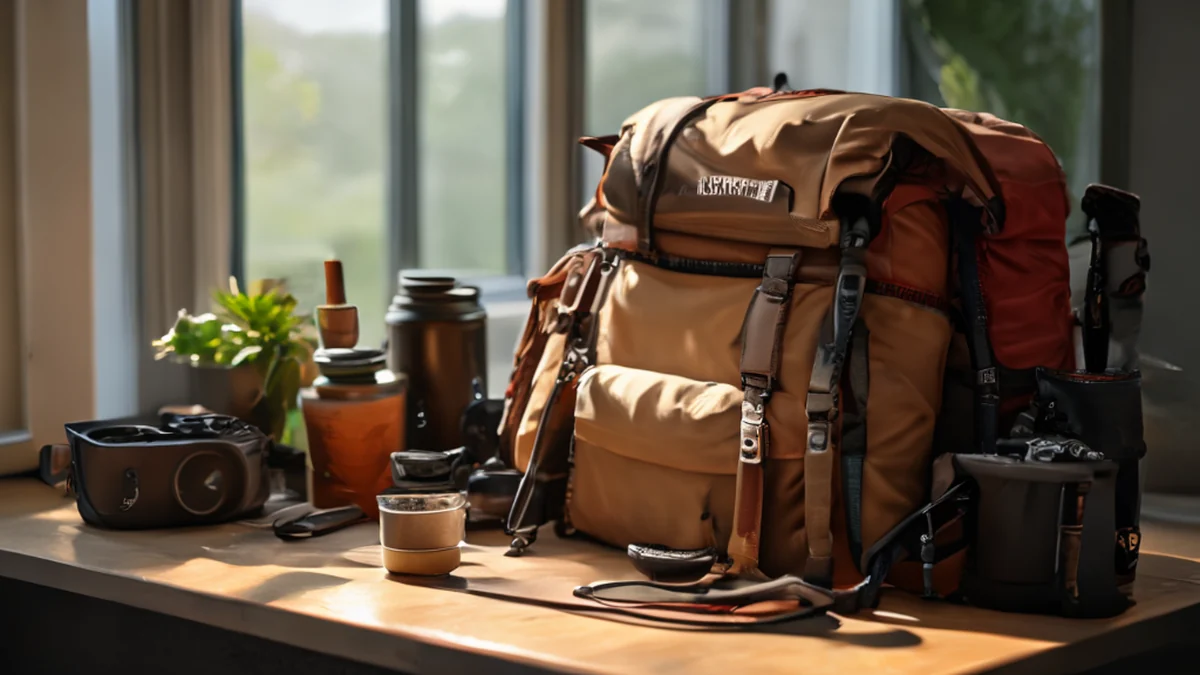
Why is weight the ultimate factor when sweat pours down?
You stand on a fog-covered ridge at 5:00 AM, feeling the crushing ache in your shoulders as you slide your pack off your back. On a steep, sun-drenched ascent, pack weight isn't just a number; it becomes a physical wall determining your physical limits.
According to the Outdoor Foundation, camping in the United States saw a fall of 4.2 million participants from 2011 to 2012.
The first criterion for gear selection is weight and load distribution. Unlike car camping, where you drive to a site, backpacking requires you to carry everything on your back, making weight a matter of survival.
Heavy gear doesn't just make things difficult; it stresses your knee joints and spine, often ruining the next day's journey.
When selecting gear, do not simply look for the lowest total weight. The key is weight management, including how effectively a backpack frame transfers weight to your hips and whether tent poles fit compactly inside your pack.
| Category | Car Camping Gear | Backpacking Gear |
|---|---|---|
| Core Value | Comfort and space | Lightweight and portability |
| Primary Materials | Heavy cotton, wood, steel | Aluminum, carbon, light nylon |
| Transport Method | Vehicle (Trunk space focus) | Foot (Back/shoulder load focus) |
| Setup Style | Relaxed in wide spaces | Minimal space and rapid setup |
But weight is only half the battle; the space you occupy matters just as much.
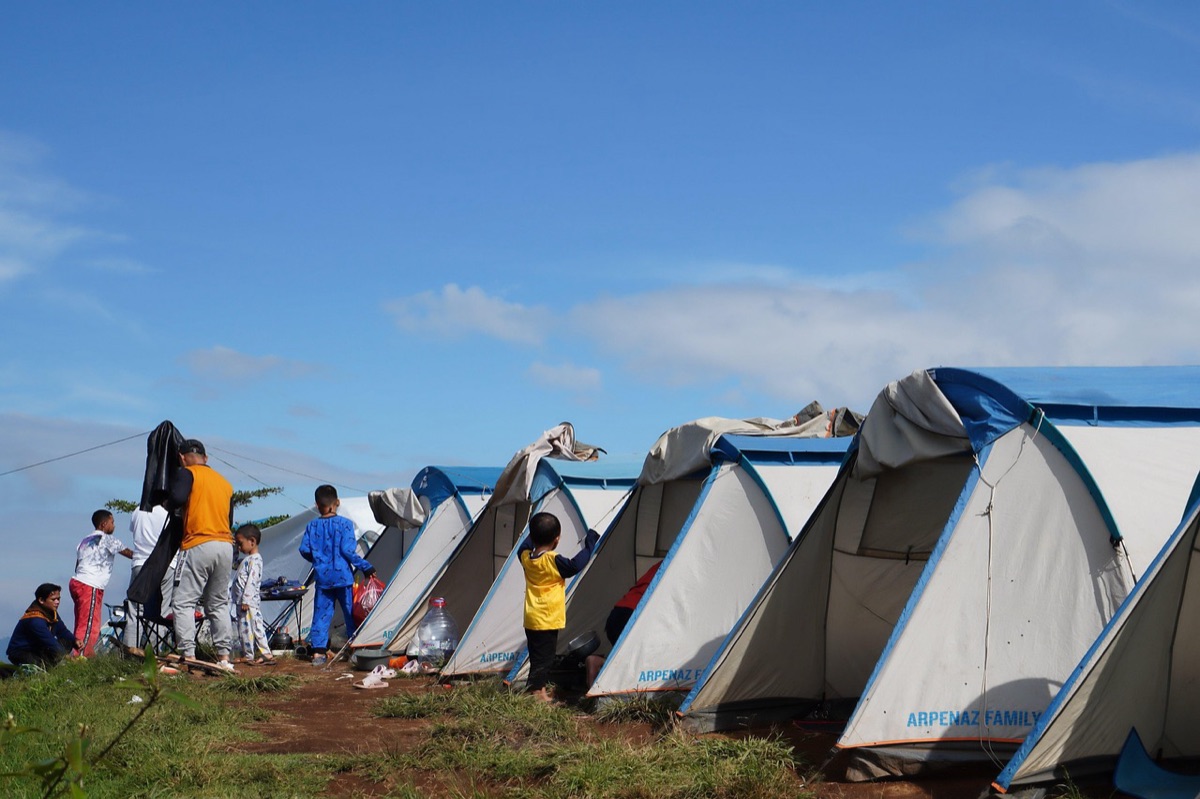
Should I prioritize living space or weight? The rain begins to fall in the mountains, and you find yourself struggling to assemble tent poles while drenched in sweat. Setting up a tent on wet, uneven ground consumes significant energy, and a poorly chosen shelter becomes a massive burden in cramped mountain terrain.
The second criterion is the balance between livability and weight. A tent is one of the largest contributors to both volume and weight in a backpack. A tent that is too large hinders movement, while one that is too small degrades the quality of your rest.
Beginners often struggle between one-person and two-person models. Generally, a one-person model maximizes mobility, while a two-person model allows you to share the load with a partner. Additionally, an intuitive, self-standing structure is much more suitable for backpacking than a complex setup.
However, the shelter is only as good as the sleep you get inside it.
What temperature will keep me comfortable? The night at a mountain summit is much colder than expected, and the chill rising from the hard ground makes sleep nearly impossible. If you cannot block the creeping cold, you will spend the night tossing and turning until dawn.
The third criterion is temperature and compressibility. Choose sleeping bag insulation (down or synthetic) that fits your season, but ensure it compresses enough to fit deep inside your pack.
Furthermore, a sleeping mat is not just about cushion; the R-value (insulation rating) is vital for blocking cold from the ground.
Choosing an overly thin mat to save weight can result in feeling every rock and root, which ruins sleep. Finding the right compromise between weight and thermal insulation is a technical skill.
But once you are warm and sheltered, how do you handle the logistics of food?
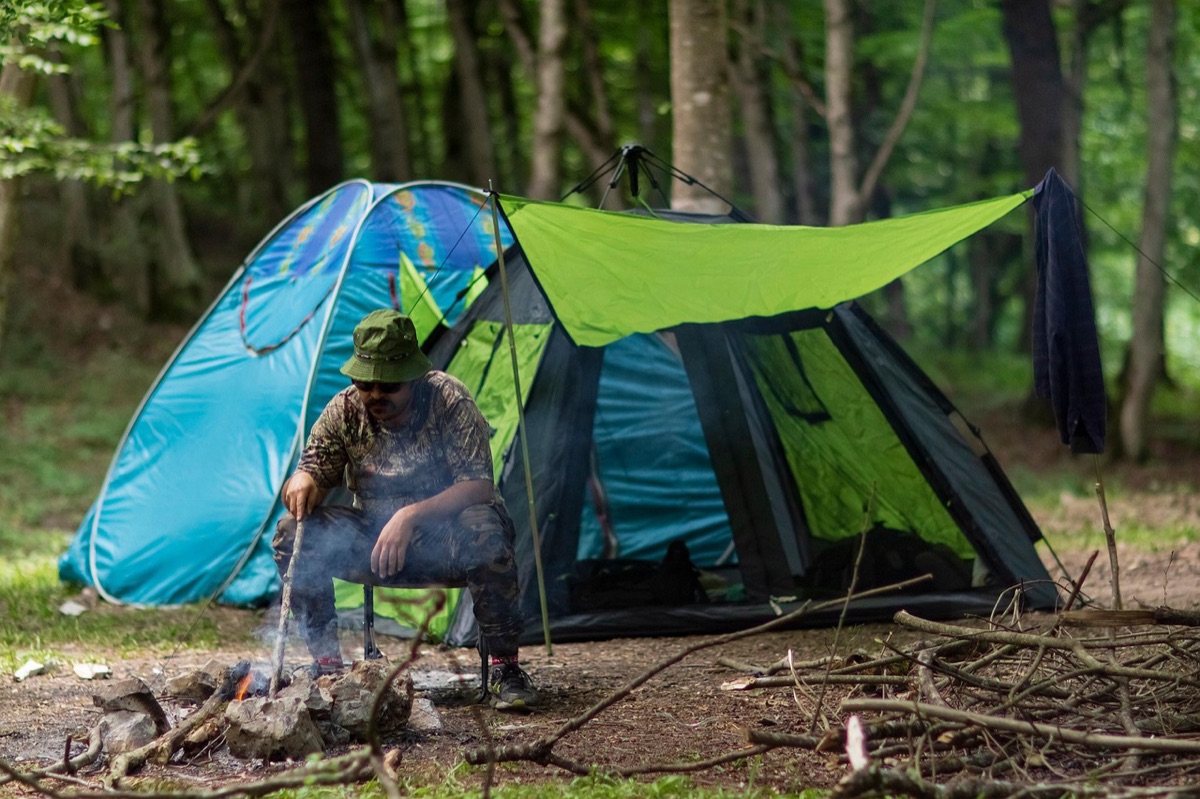
Cooking tools and dishes: Creating a feast with minimal gear
You unzip your pack and pull out a small stove, feeling the warmth of the mountain air as you boil water. However, if your gear is so bulky that extracting it becomes a chore, the meal becomes a task rather than a joy.
The fourth criterion is multi-purpose utility and volume efficiency. Backpacking cookware should be made of lightweight aluminum or titanium, and multi-purpose items that can handle both boiling water and cooking meals are ideal.
Smart packing relies on nesting—choosing products designed to stack inside one another to fill the empty spaces in your backpack.
While efficient cooking keeps you fueled, the gear must ultimately survive the journey.
Sturdy boots and packs: Your most reliable companions
The thought of a snapped strap or a screaming shoulder seam while walking on a rocky trail is enough to make anyone wince. A gear failure is more than an inconvenience; it can lead to serious accidents.
The fifth criterion is reliable durability. Backpacking gear is used in harsh environments and must withstand sudden temperature shifts, moisture, and sharp objects.
Specifically, hiking boots that protect your feet and backpacks that support your weight should be chosen from proven brands rather than cheap alternatives to save money in the long run.
4-Step Guide to Preparing Gear for Backpackers
- Assess Trip Requirements: Determine gear specs based on whether you are doing a light trek or a multi-day expedition.
- Prioritize Essential Gear: Focus on securing the "Big Three"—tent, sleeping bag, and backpack—first.
- Conduct a Weight Test: Pack your gear and take a short walk near your home to feel the actual weight on your body.
- Gather Field Feedback: Use actual trips to record missing functions or discomforts to inform your next purchase.
The "Buy Everything Now" Trap
Many beginners think, "I might need this later," and buy everything at once. This is the fastest way to increase pack weight and waste your budget. The standard practice is to use gear, understand your own strength and style, and then upgrade.
Application: Adjusting Gear by Purpose
* Day Hiking: Focus on a lightweight daypack and minimal snacks. * Overnight Backpacking: A standard setup including a tent, sleeping bag, mat, and cooking kit. * Long-distance Thru-hiking: Specialized, ultralight (UL) and high-performance functional gear.
I remember once trekking through a muddy trail in the Pacific Northwest with a pack that was far too heavy. My footsteps felt like lead, and every incline felt like a mountain. That was when I realized the true beauty of backpacking: the lighter the load, the clearer the scenery becomes.
This advice does not apply to heavy-duty expedition climbing where specialized, heavier gear is often a safety requirement rather than a choice.
Related




Comments 0