Camping guide tips for first overnight trips and gear
This guide covers the essential gear for beginners, step-by-step setup techniques, and how to transition from car camping to more adventurous environments.
* Prioritize a high-quality sleeping pad for insulation. * Master tent stake driving techniques to handle wind. * Plan meals around fuel efficiency and minimal cleanup. * Understand the transition from heavy gear to backpacking kits.
How do I choose the right tent for my first trip?
In the morning I hold camping and walk through the next step.
I remember staring at the instruction manual for two hours before realizing that size matters more than I thought.
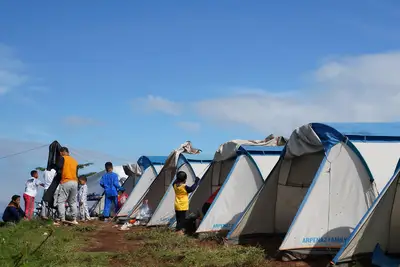
Selecting a tent requires balancing headroom against the weight you can carry. For car camping, you can prioritize a larger four-person tent to ensure comfort, but for any movement involving hiking, you must look at the packed volume and weight.
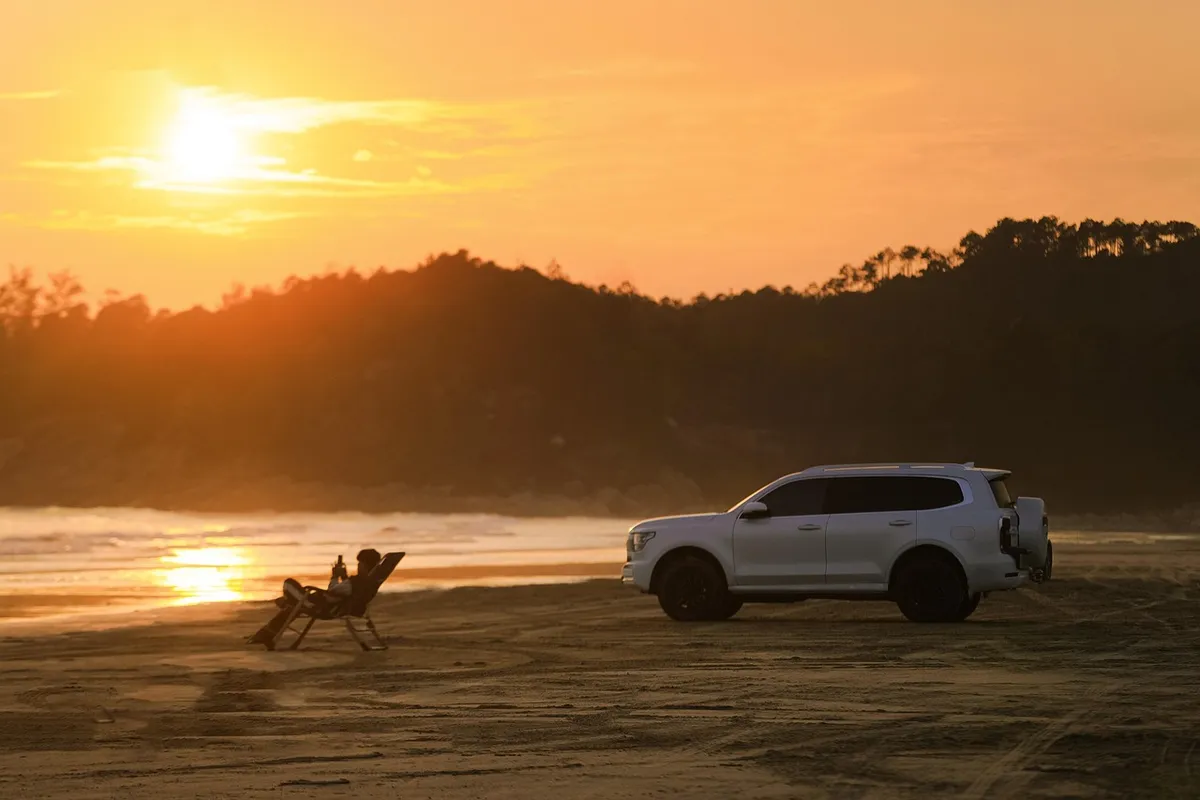
When you are starting out, look for a tent with a full-coverage rainfly. This prevents moisture from seeping through the mesh during a sudden midnight downpour. Always check the pole-to-fabric ratio to ensure the structure can withstand moderate gusts.
If you plan to move away from your vehicle, look for lightweight aluminum poles rather than heavy fiberglass. A tent that fits in a single backpack is significantly different from one that requires a rolling suitcase.
- Measure your sleeping area to ensure two people can lie diagonally. 2. Check the vestibule size for gear storage. 3. Test the pole assembly in your living room before heading to the woods.
Why does my tent setup fail during a storm?
In the evening I hold camping and walk through the next step.
Rain lashes against the fabric, and the sound of wind whipping through the trees makes the ground shake. I once sat in a puddle because I thought a single stake in soft dirt was enough to hold a ridge pole.
A common mistake is failing to tension the rainfly away from the tent body. If the fly touches the inner tent, moisture will wick through the fabric, leaving you damp regardless of how much waterproof coating the tent has.
The tension of your guy lines is the most critical factor for stability. You should pull the lines outward at an angle, not straight down toward the ground, to create a stable tripod effect.
If you are setting up in a high-wind area, use heavy-duty steel stakes or sandbags to supplement your footprint. A footprint—the ground cloth under your tent—should never extend higher than the tent walls, as it can trap water and funnel it underneath your sleeping area.
| Feature | Car Camping Tent | Backpacking Tent |
|---|---|---|
| Weight | 8–12 lbs | 2–4 lbs |
| Capacity | 4–6 persons | 1–2 persons |
| Durability | High (heavy fabrics) | Moderate (lightweight fabrics) |
| Setup Time | 15–20 minutes | 5–10 minutes |
What is the secret to a good campfire meal?
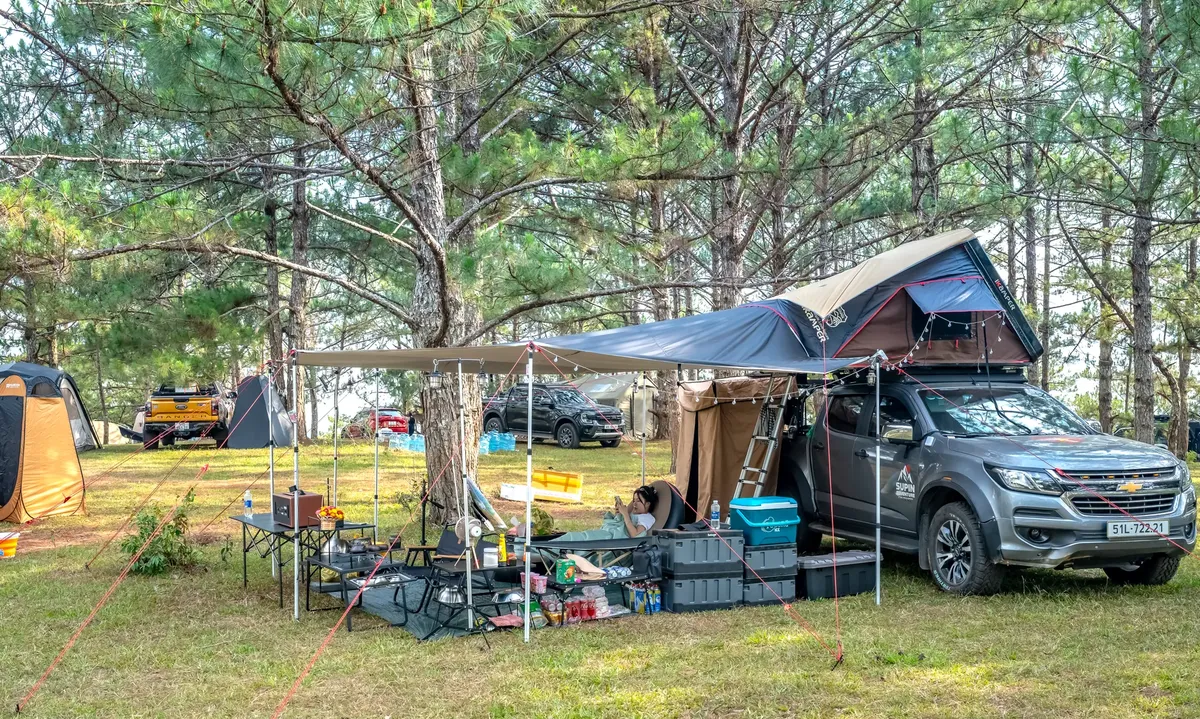
The smell of woodsmoke drifts through the cool evening air as the orange embers begin to glow. I once spent forty minutes trying to cook a steak over a dying fire, only to end up with a cold, raw center and a charred exterior.
Cooking in the wild requires heat management and fuel efficiency. A stable base of coals is much better for cooking than an active, leaping flame.
To cook effectively, wait for the logs to burn down into a bed of glowing red coals. This provides a consistent, radiant heat that is much easier to control than unpredictable flames.
For beginners, one-pot meals are the most efficient way to manage resources. Using a portable butane stove in addition to the campfire allows you to boil water for coffee or dehydrated meals quickly without fighting the wind.
- Clear a 3-foot diameter circle of all flammable debris. 2. Gather three sizes of wood: tinder, kindling, and fuel logs. 3. Build a teepee structure to allow oxygen to flow through the base.
How do I transition to car camping?
The car door slams shut, leaving me in the quiet of a forest clearing with nothing but my gear and the trail ahead. I used to think a car was just a way to get there, but it is actually a mobile basecamp.
According to the Yonhap News Agency, the rising popularity of car camping has resulted in a boost in SUV sales, which accounted for 45.9% of the world's passenger car market in 2021.
Car camping allows you to bring the comforts of home, such as larger coolers, heavier chairs, and even cast-iron cookware. This is the best way to learn the fundamentals of camp life before moving to more restrictive environments.
Use the car-camping phase to test your sleeping system. Since you don't have to carry it, you can experiment with thicker air mattresses or even inflatable camping beds. This helps you understand how much sleep quality matters for your overall experience.
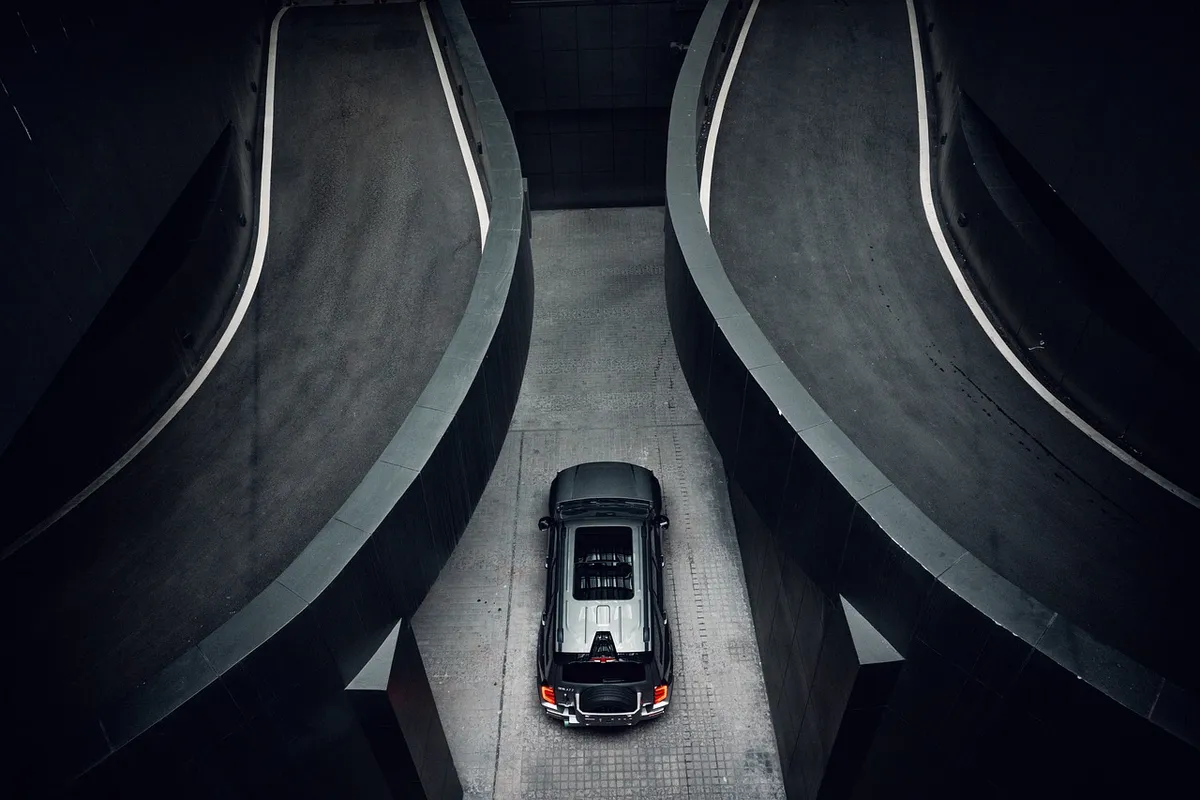
A well-organized car camping setup involves a clear division between the "wet zone" (where you store muddy boots and rain gear) and the "dry zone" (where your sleeping bags and clothes live). Keep your sleeping area in the cleanest, most protected part of the vehicle or tent.
What are the essentials for backpacking?
The weight of the pack pulls at my shoulders, a constant reminder of every item I chose to bring. I remember the first time I tried to hike five miles with a heavy kitchen kit; it was a lesson in regret.
Backpacking is the art of subtraction. You must transition from the "everything but the kitchen sink" mentality to a kit where every ounce serves a specific purpose.
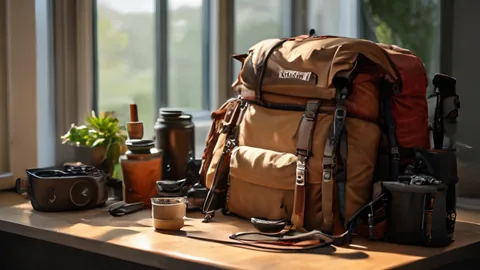
The core of a backpacking kit is the "Big Three": your shelter, your sleep system, and your backpack. These items must be lightweight and highly functional.
- Select a backpack with a capacity between 40 and 60 liters for most day-to-night trips. 2. Invest in a high-R-value sleeping pad to prevent ground chill. 3. Choose a water filtration system that is lightweight and reliable.
Check your pack's fit by ensuring the hip belt carries the majority of the weight, not your shoulders. If your lower back aches after an hour, your load distribution is incorrect.
How do I stay warm during winter camping?
The frost on the tent zipper crunches under my fingers as I prepare to head outside. I once woke up at 3 AM shivering uncontrollably because I thought a thin fleece was enough for a mountain night.
Winter camping is about managing moisture and insulation. When you sweat while hiking or setting up, that moisture turns into ice once you stop moving, which can lead to dangerous drops in body temperature.
Layering is your primary defense against the cold. You need a moisture-wicking base layer, an insulating mid-layer, and a windproof outer shell. Avoid cotton entirely, as it holds moisture and loses all insulating properties when wet.
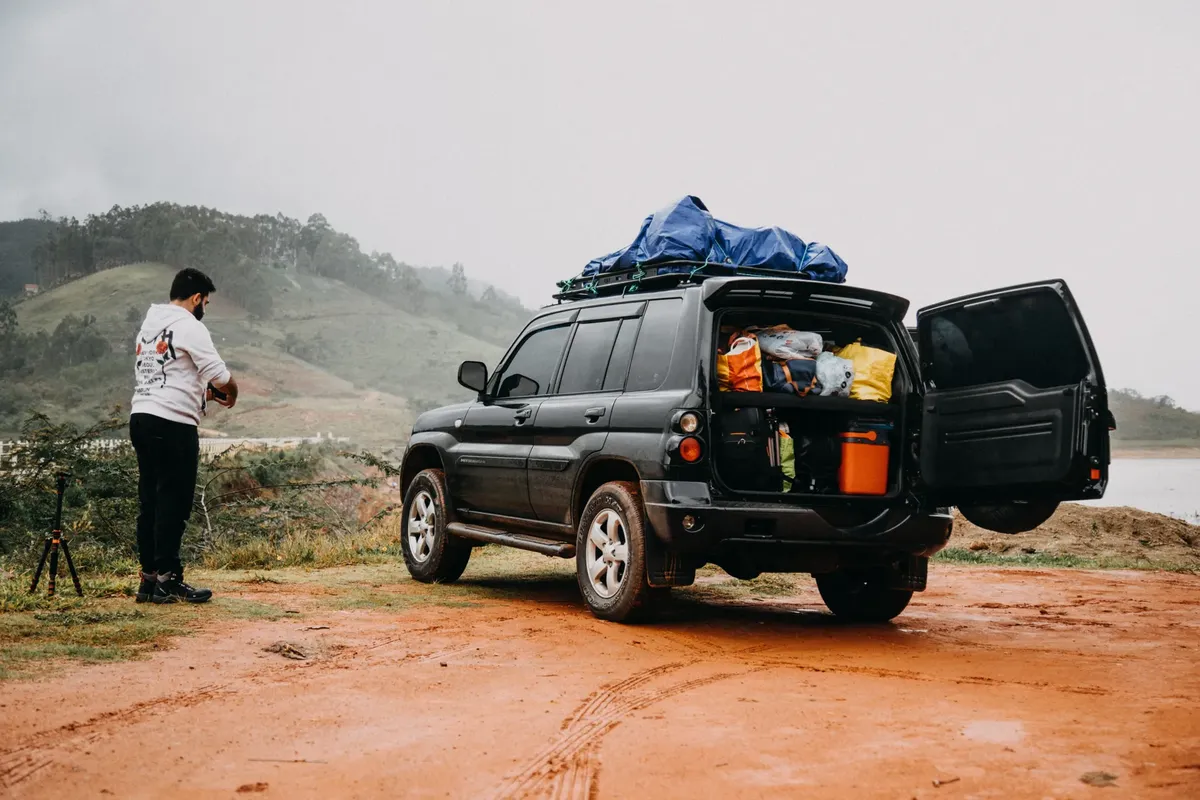
Your sleeping pad is just as important as your sleeping bag. A pad with a high R-value (the measure of thermal resistance) is essential to block the cold from the ground. Without proper ground insulation, you will lose body heat through conduction, no matter how thick your sleeping bag is.
A limitation of lightweight backpacking gear is that it often lacks the extreme thermal protection found in heavy-duty winter gear. In temperatures well below freezing, the trade-off between weight and warmth becomes the most difficult decision you will make.
The record names the year 2010.
- "The perfect campsite is not found on a map, but through the balance of your gear and the terrain beneath your feet."
- To master your first overnight trip, you must focus on shelter stability, temperature regulation, and site selection.
- The heavy canvas bag sits in the trunk of my SUV, smelling of fresh nylon and adventure.
Related






Comments 0