Campsite safety and manners tips for wild travel
"Nature is a beautiful place, but it requires respect and preparedness to ensure everyone returns home safely."
Campsite safety and manners require a balance of environmental awareness and respect for fellow travelers. This guide covers essential safety protocols, basic camping etiquette, and how to handle wildlife encounters to keep your group secure.
Key takeaways: 1. Prioritize situational awareness to prevent accidents. * Respect shared spaces by following proper camping etiquette. * Manage food and waste to ensure bear safety. * Follow established wilderness safety protocols.
How to practice campsite safety and manners?

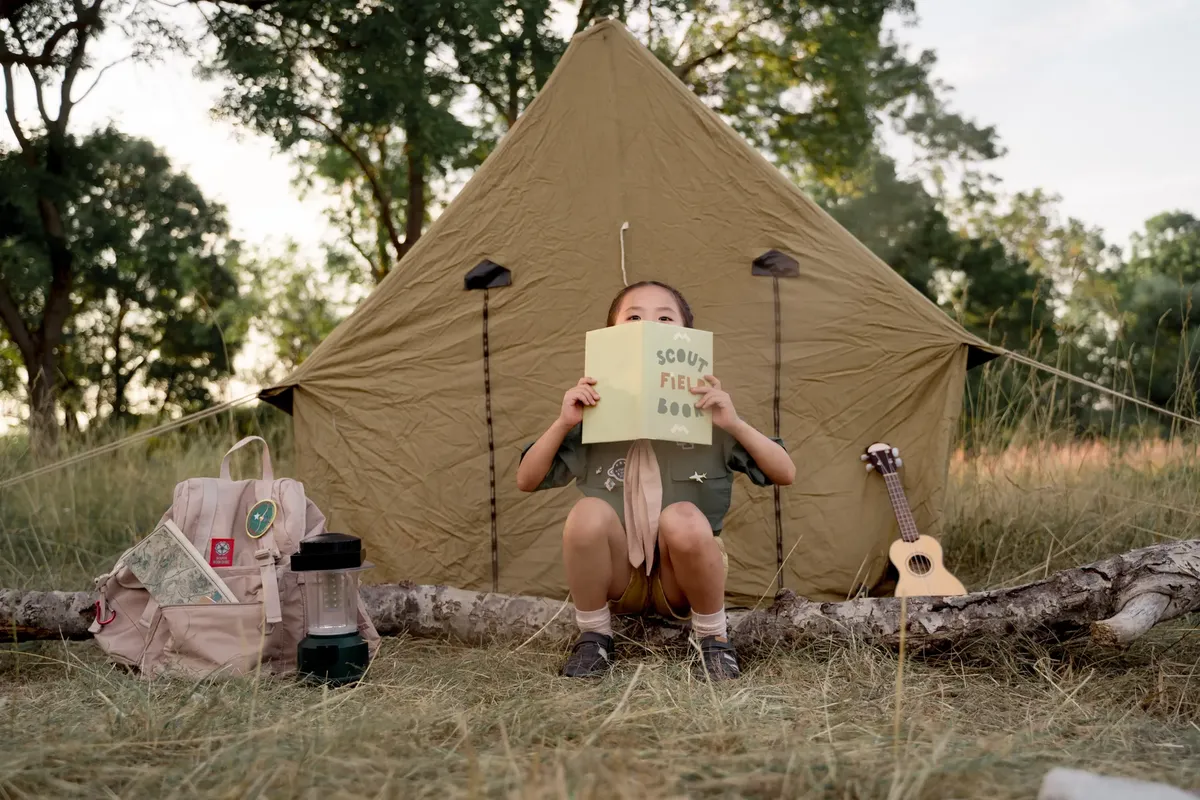
A camper gathers gear at sunset, checking the perimeter of the site before settling in. Practicing campsite safety and manners means staying alert to your surroundings while maintaining a low profile to avoid disturbing others. According to the National Park Service, safety is a primary concern.
Effective camping involves managing your physical environment. You must ensure that your campsite is organized to prevent tripping hazards and that fire safety is strictly maintained.
A camping etiquette guide suggests that keeping noise levels low and managing trash properly are the first steps to being a good guest in the wild.
Being mindful of your surroundings helps prevent accidents. You should always check the weather and terrain before setting up your tent. Following safe camping rules ensures that you do not inadvertently create hazards for yourself or the people camping in the next site.
However, these practices may be less effective if you are camping in extreme weather conditions. I believe the first step is the most fundamental.
What are the essential safe camping rules?
Under the dim glow of a flashlight at midnight, I double-check the perimeter of our campsite to keep the cold wind out.
A hiker looks at a map under a dim flashlight, preparing for the next day's trek. Understanding safe camping rules is vital for anyone venturing into remote areas where help may be far away.
Safety begins with proper preparation and knowledge of the area. You should always inform someone of your itinerary and expected return time. Basic campsite behavior includes staying within designated areas to protect the natural landscape and ensuring that your camp is secure against elements.
Managing your resources effectively is part of the process. Always carry enough water and food for your planned duration. Following these guidelines helps minimize the risk of emergencies and keeps the focus on the natural beauty of the wilderness.
These rules do not apply to professional survival training scenarios where specialized gear is used. I find that the second rule is the most critical to follow.
How do you master basic campsite behavior?
A group sits around a small, controlled fire, sharing stories in husiod whispers. Mastering basic campsite behavior allows for a harmonious relationship between campers and the environment they visit.
Good behavior involves minimizing your footprint. This means using established trails and much of your gear should be kept in a way that does not obstruct paths. Respecting the quiet of the night is a key part of being a polite neighbor in a shared outdoor space.
Leave no trace principles are the foundation of good manners. Always pack out everything you pack in. By keeping your site clean, you prevent attracting unwanted animals and maintain the beauty of the site for the next visitor.
These behaviors might be difficult to maintain during high-stress emergencies. I think the first point is the most important for beginners.
How can you ensure bear safety?
A camper carefully secures a food canister, making sure the lid is airtight. Ensuring bear safety is a critical component of wilderness camping that protects both humans and wildlife.

Properly storing food is the most effective way to prevent bear encounters. Use bear-resistant containers or follow local hanging protocols to keep scents away from your sleeping area. Never leave food, trash, or scented items like toiletries unattended.
Keep your sleeping area separate from your cooking area. This distance creates a buffer zone that reduces the chance of an animal entering your tent. If you encounter a bear, remain calm and follow the specific protocols for your region.
These methods are not a guarantee of safety if you encounter an aggressive predator. I believe the second step is the most vital for prevention.
What is the guide to respecting others at the campsite?
A traveler nods politely to a passing hiker on a narrow trail. Following a guide to respecting others at the campsite ensures that everyone can enjoy the peace of the outdoors.
Respecting others means being mindful of noise, especially during early morning or late evening hours. Avoid using loud electronics or bright lights that might disturb neighbors. Space between campsites should be respected as a matter of privacy.
Be helpful but not intrusive. If you see someone struggling with gear, a polite offer of assistance is often appreciated, but always respect their personal space. Maintaining these social boundaries is essential for a positive camping experience.
These guidelines may vary depending on the specific regulations of different national parks. I feel that the first suggestion is the most essential.
How to prepare for wilderness camping safety?
A backpacker adjusts their heavy pack, checking the straps before stepping onto the trail. Preparing for wilderness camping safety involves physical readiness and mental fortitude.
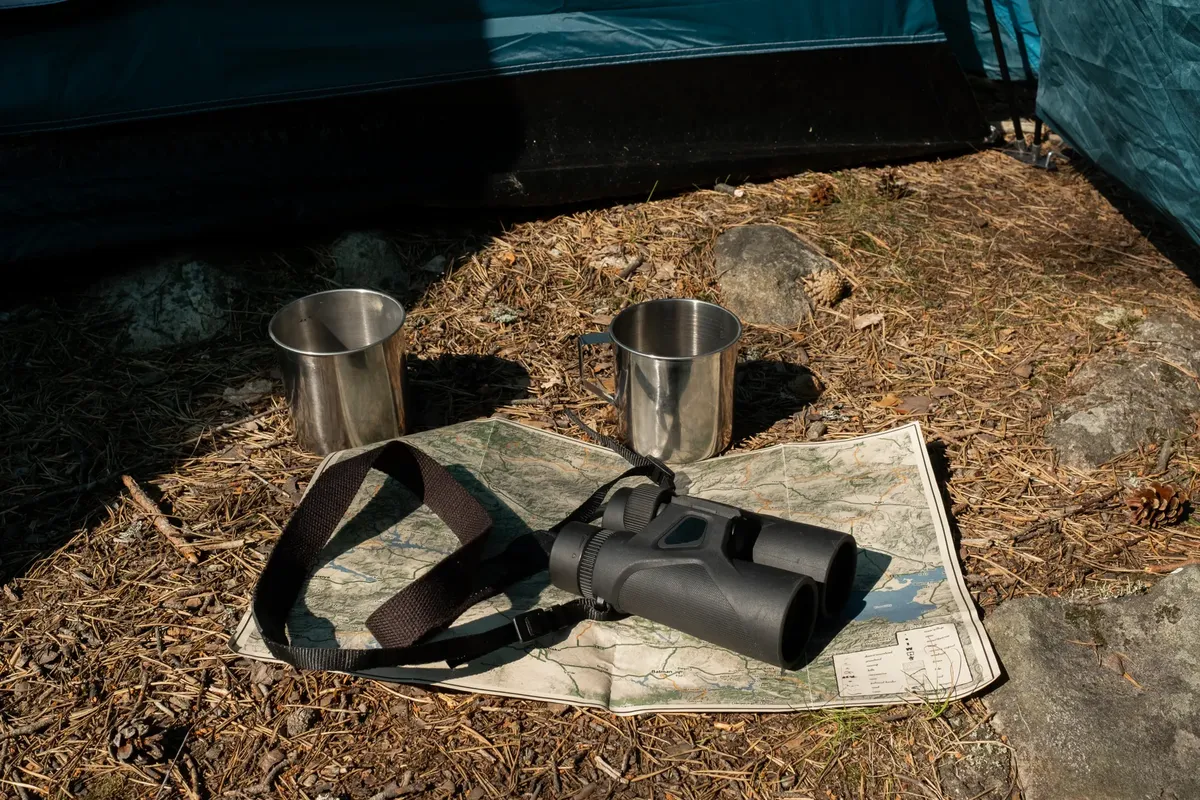
First, research the specific environment you are entering. Know the local regulations regarding fire, water, and wildlife. Second, gather high-quality gear that is appropriate for the expected weather conditions. Third, undergo basic first aid training to handle minor injuries.
Always perform a final check of your supplies before leaving your base. Ensure you have a way to navigate, a way to make fire, and a way to shelter. Being prepared is the best way to handle the unpredictable nature of the wild.
This preparation is not a substitute for professional wilderness first aid certification. I note that the second step in this process is the most time-consuming.
- How to practice campsite safety and manners?
- What are the essential safe camping rules?
- How do you master basic campsite behavior?
Related
- Quick campfire cooking recipes guide for easy fire pit meals
- Lightweight camping gear tips guide for vehicle stability
When should one prioritize situational awareness? Situational awareness should be prioritized constantly throughout your time in Nature. This vigilance is necessary when you are gathering gear at sunset or when you are trekking through unfamiliar terrain. Staying alert to your surroundings helps prevent accidents before they occur.
What cautions should guide interactions with the environment? Cautions should guide interactions to minimize your footprint on the land. This means always using established trails rather than creating new paths. Respecting the quiet of the night is a caution that helps maintain harmony with fellow travelers in the beautiful setting.
Maintaining proper campsite etiquette is a condition that ensures a positive experience for all. Keeping noise levels low and managing trash properly are initial steps toward being a good guest in the wild environment.




Comments 0