Quick campfire cooking recipes guide for easy fire pit meals
"The crackle of a wood fire and the warmth of a shared meal define the essence of the great outdoors."
Mastering quick campfire cooking recipes allows you to enjoy the scenery without spending the entire evening tending to the flames. This guide covers efficient meal preparation, heat management, and equipment selection to help you transition from cooking to relaxing.
You will learn how to utilize high-heat tools, manage diverse environments, and prepare food that matches the spirit of adventure.
Why are people seeking more campfire cooking recipes?
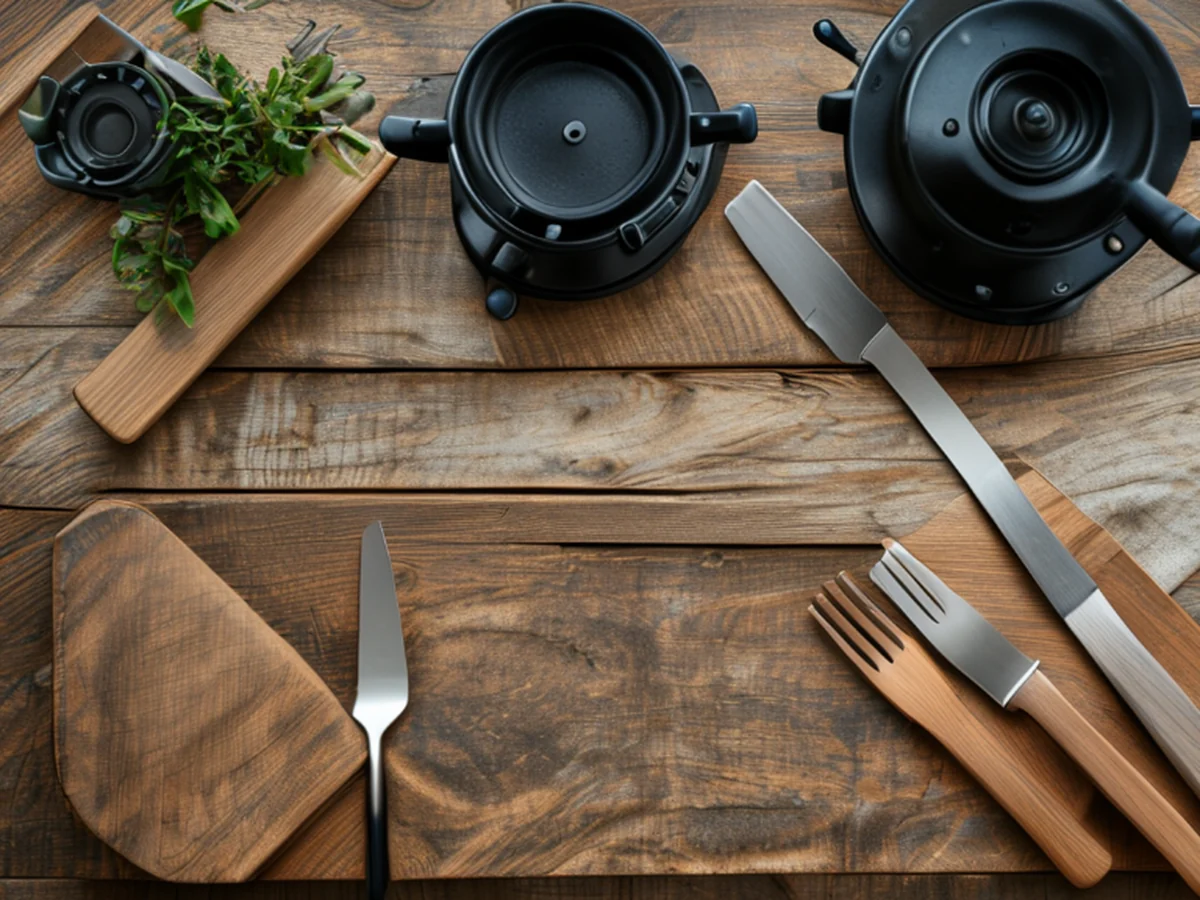
As the sun dips below the horizon at the campsite, I grab a quick snack to satisfy my hunger while watching the golden light fade.
A group of friends gathers around a glowing ember, checking their portable stoves before the sun dips below the horizon.
The rising interest in outdoor activities, such as the 8% increase in trips compared to the same period in 2014, suggests a growing desire to reconnect with nature through practical skills.
As people head into the wild, they often look for efficient ways to prepare food. This shift toward outdoor living means finding methods that balance flavor with time management. Understanding these trends helps in planning better trips.
The popularity of outdoor excursions is a documented phenomenon. In the United States, camping has seen shifts in participation levels over the years, reflecting changing lifestyle preferences. These movements drive the need for reliable, easy-to-use cooking methods.
How can you achieve high heat for easy fire pit meals?
A cook adjusts the angle of a reflective surface to catch the afternoon sun, concentrating warmth onto a single point. While traditional wood fires are standard, specialized tools like parabolic solar cookers offer the highest temperature, often more than 750 degrees F.
Using specialized equipment can drastically change your cooking speed. High-temperature tools allow for searing and boiling that mimics a kitchen environment. This makes it easier to prepare more complex meals in a rugged setting.
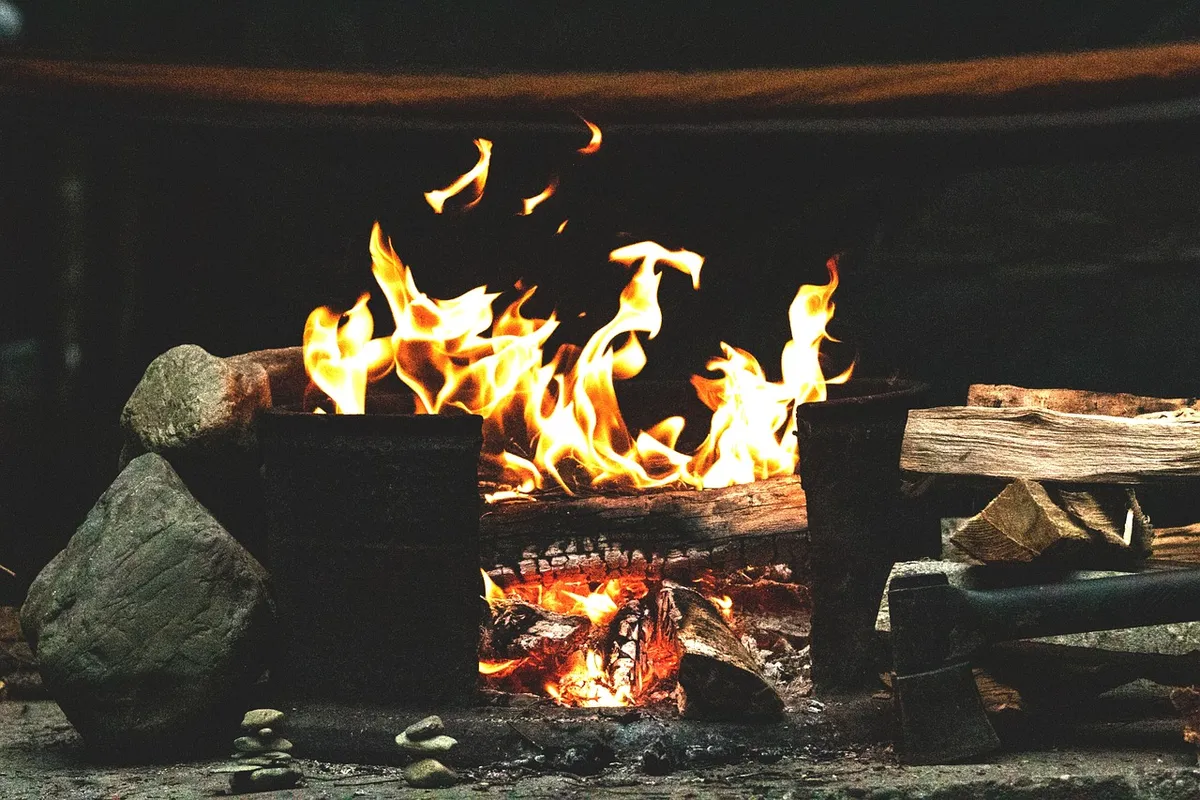
Effective heat management is a cornerstone of any successful outdoor meal. By understanding how different heat sources work, you can choose the right tool for your specific ingredients. This preparation ensures your food is ready when the group is hungry.
According to Outdoor Foundation, the 2011 record includes 4.2 million.
What are the best campfire cooking hacks for efficiency?
A camper pre-cuts vegetables at home, placing them in airtight containers to save time at the campsite. Using these types of campfire cooking hacks allows you to spend less time prepping and more time enjoying the view.
Efficiency often comes down to preparation and the right tools. By organizing ingredients beforehand, you reduce the mess and the time spent over a hot flame. This approach keeps the focus on the social aspect of the trip.
Smartness in the field means being prepared for various conditions. Whether you are using a gas burner or a charcoal pit, having a streamlined process prevents frustration. These strategies turn a difficult task into a seamless part of the trip.
How do you manage different environments for fast fire cooking tips?
A traveler sets up a small stove on a rocky ledge, ensuring the base is stable before lighting the flame. Different environments require specific approaches to fast fire cooking tips to ensure safety and success.
Terrain and weather play significant roles in how heat is managed. For instance, 34% of the camp fanatics in Québec are camping on either National Parks or Provincials Parks, where regulations and terrain may vary. Adapig your methods to these specific locations is vital.
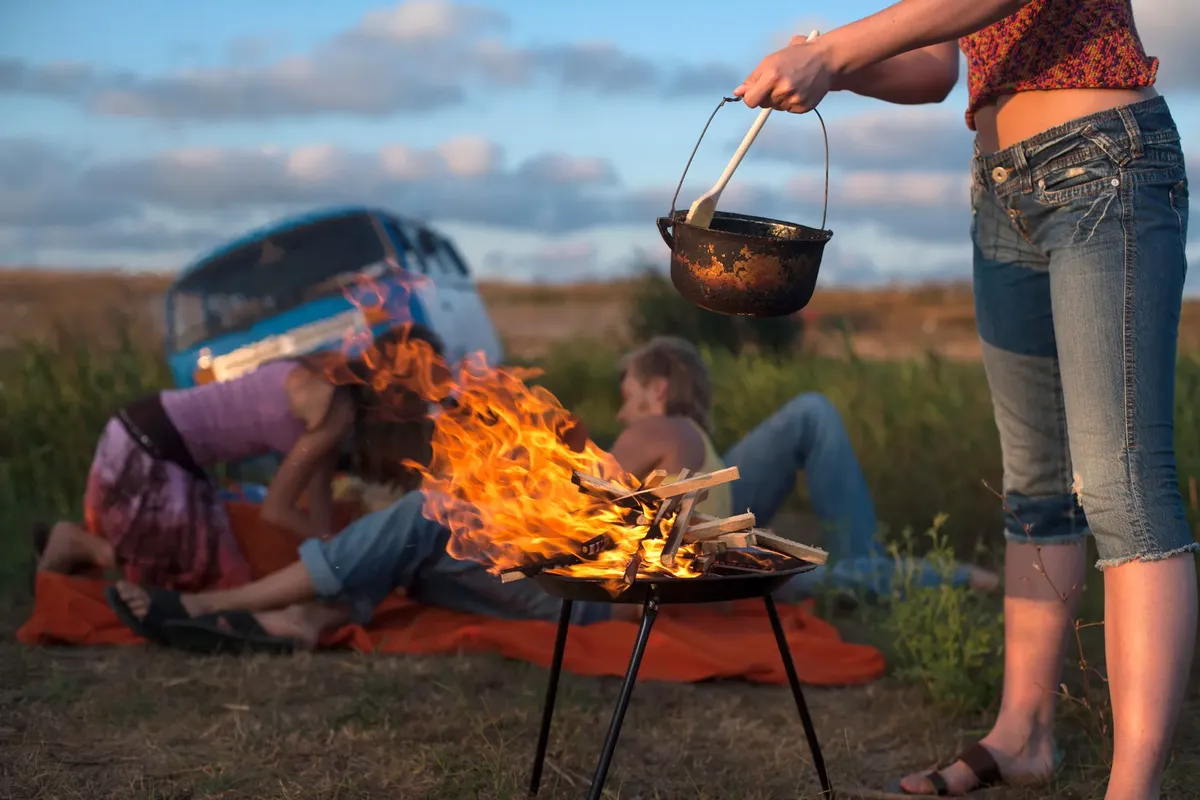
Whether you are in a dense forest or an open park, your cooking strategy must adapt. Knowing how to secure your equipment and manage fuel sources in different settings is a key skill. This adaptability ensures consistent results regardless of your location.
How can you master fire cooking in various settings?
A seasoned hiker inspects a heavy-duty pot, ready to boil water for a quick meal as the wind picks up. Mastering fire cooking involves understanding the relationship between fuel, air, and vessel.
The goal of mastering fire cooking is to achieve consistent heat while minimizing fuel waste. This is especially important when you are in areas where fuel might be limited or strictly regulated. Learning to control the flame is the first step toward culinary success.
Different fuel types, from wood to propane, offer different levels of control. By practicing with various sources, you become more confident in your ability to cook under any condition. This confidence allows for more creative and delicious outdoor meals.
Quick campfire cooking recipes guide
A cook stands by the fire, carefully layering ingredients in a cast-iron skillet to ensure even heat distribution. Follow these steps to prepare a successful meal:
- Prepare all ingredients at home to minimize cleanup and heat exposure at the site. 2. Establish a stable heat source and test the temperature before adding any food. 3. Cook in batches if necessary to maintain the intensity of the heat source.
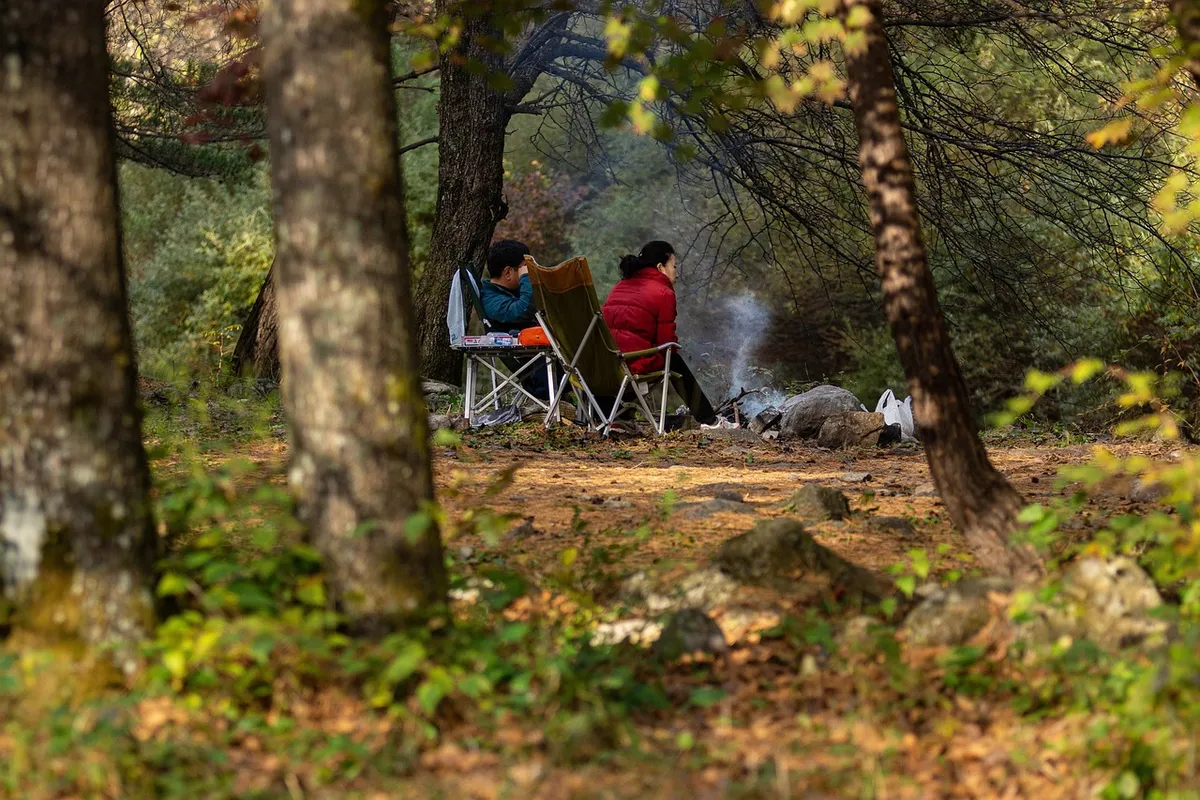
A final check involves tasting the food to ensure it has reached the desired temperature and seasoning. I found that prepping ingredients beforehand made the transition from cooking to relaxing much smoother. These steps ensure you spend more time relaxing and less time working.
| Feature | Parabolic Solar Cooker | Traditional Campfire |
|---|---|---|
| Temperature | Over 750 degrees F | Variable |
Wikipedia: Camping Based on the retained excerpt mentioning Outdoor Foundation: and the Outdoor Foundation, camping in the United States is gaining popularity after a fall of 4.2 million participants from 2011 to 2012.
Related
- Lightweight camping gear tips guide for vehicle stability
- SUV equipment transport guide: How to load gear in SUV
What precautions should be taken when managing the crackle of a wood fire? 1. Always ensure the cooking area is clear of flammable debris before starting the crackle of a wood fire. 2. Monitor the flame constantly, especially when using high-heat tools, to prevent flare-ups. 3. Be aware that different fuel types affect the heat output, requiring adjustments to your cooking method.
The warmth of a shared meal is enhanced when the fire is managed safely. Proper heat management prevents accidents while still providing the necessary energy for cooking. This caution is especially relevant when utilizing the variable heat of a traditional fire.
When should one prioritize preparation over immediate cooking? Prioritizing preparation allows the camper to enjoy the scenery more fully. By pre-cutting vegetables at home, the time spent at the campsite decreases significantly. This strategy supports the goal of balancing flavor with time management during outdoor excursions.
The comparison between solar cookers and a traditional campfire shows that preparation mitigates the limitations of both methods. Even with efficient heat sources, having ingredients ready streamlines the entire process. This focus on advance planning supports the overall spirit of adventure.
The crackle of a wood fire provides ambiance, but efficiency demands forethought. Understanding how to organize ingredients beforehand reduces both mess and the duration spent tending the flames. This thoughtful approach ensures the experience remains focused on relaxation.

Comments 0