Winter camping gear reduction: Tips for light winter camping
"The cold is not an obstacle to be fought with bulk, but a condition to be managed through smart preparation."
Effective winter camping gear reduction relies on a strategic layering system to maintain warmth without the burden of excessive weight. By mastering these layers, you can secure comfort in freezing temperatures while keeping your pack light.
Key takeaways include utilizing moisture-wicking base layers, insulating mid-layers, and protective outer shells to manage body temperature efficiently.
How to master winter camping gear reduction?
A hiker stands at the edge of a snow-dusted trailhead, looking at a heavy pack that feels much too large for the trail ahead. To achieve winter camping gear reduction, one must shift focus from carrying heavy, single-use items to a versatile layering system.
This approach allows for temperature regulation through adjustable clothing rather than static bulk.
Effective layering involves managing heat retention and moisture movement simultaneously. Instead of carrying massive coats for every possible temperature, a lightweight system uses air-trapping fabrics to provide warmth. This method ensures you can shed weight easily when activity increases.
Lightweight winter camping requires choosing materials that provide a high warmth-to-weight ratio. Synthetic fibers or high-quality down can provide significant insulation without the massive volume of traditional heavy wool or thick fleece.
By using these materials, you can maintain warmth while keeping the pack manageable.
Focus on multi-functional items that serve several purposes to minimize your pack volume. Prioritize high-quality gear that can withstand extreme temperatures so you do not need to carry redundant backups.
Why is layering for cold camping so effective?
A camper sits by a small stove, adjusting a thin fleece jacket as the sun begins to set over the frozen landscape. Layering for cold camping works by creating pockets of trapped air, which acts as a natural insulator against the biting wind.
The versatility of this method allows you to adapt to fluctuating temperatures throughout the day.
The system works by addressing three distinct needs: moisture management, heat retention, and weather protection. A base layer pulls sweat away from the skin to prevent chilling, while a mid-layer traps body heat.
The outer shell protects against wind and precipitation, completing the thermal barrier.
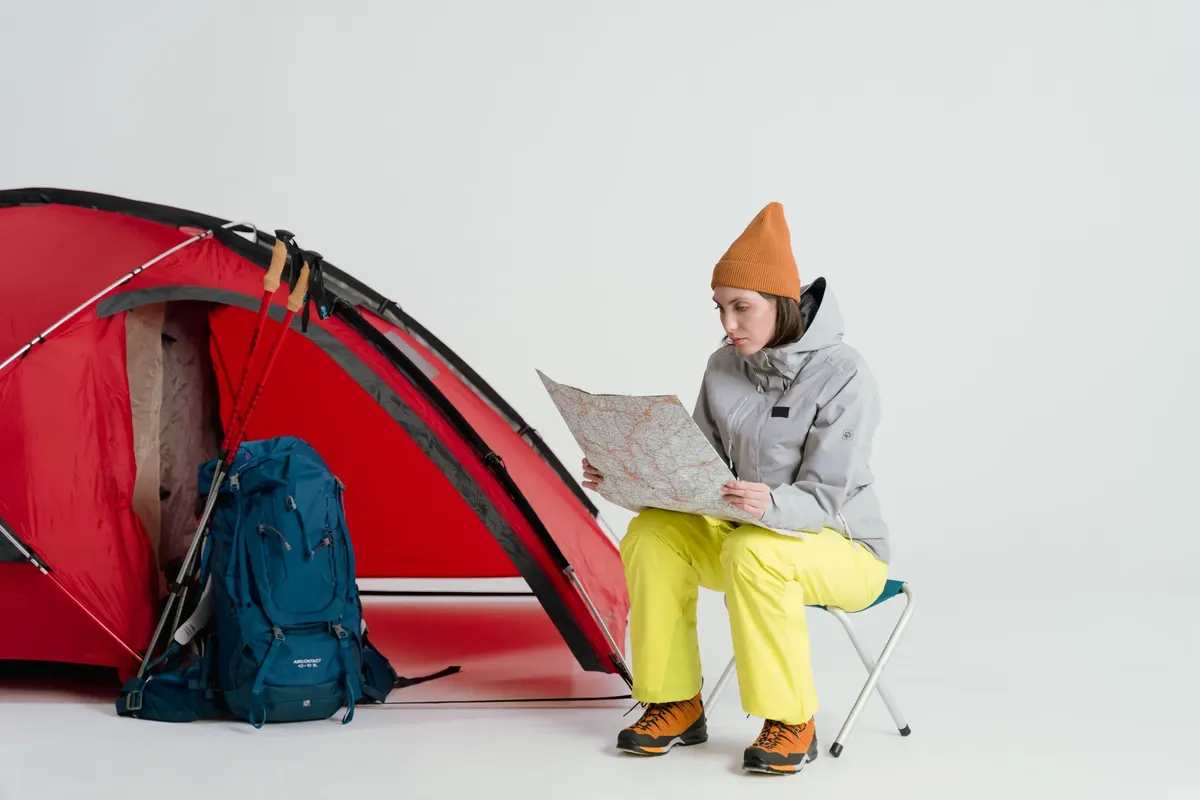
This strategy provides a way to manage energy expenditure during physical activities. If you carry too much heavy gear, you risk overheating and sweating, which leads to dangerous cooling once you stop moving. A well-planned system prevents this cycle by making it easy to add or remove layers.
Layering allows you to manage body temperature and moisture levels dynamically. By trapping pockets of air between different fabric types, you create an efficient thermal barrier that can be adjusted as your activity level changes.
According to Outdoor Foundation, the 2011 record includes 4.2 million.
How to reduce camping weight in the winter?
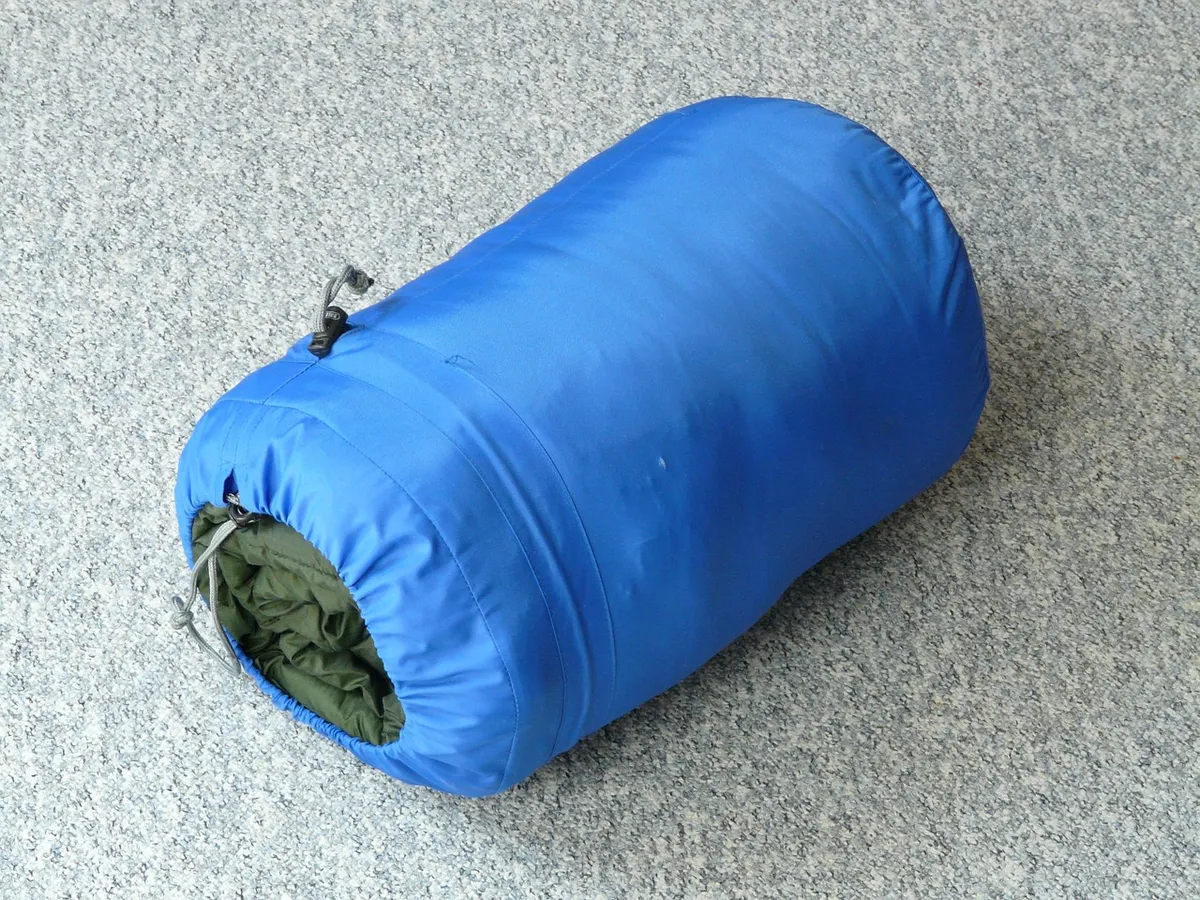
An adventurer checks the contents of a backpack, carefully selecting a compact sleeping bag over a bulky alternative. To effectively reduce camping weight, you must prioritize multi-functional gear that serves multiple purposes.
Every item in your pack should contribute directly to your survival or comfort in the cold.
One method is to use clothing that can serve as both an active layer and a static insulation layer. For example, a lightweight puffy jacket can be worn during breaks or used as an extra layer under a shell. This eliminates the need for multiple heavy jackets that take up too much space.
Minimalist winter trips often rely on high-performance fabrics that provide maximum warmth for minimum weight. Choosing gear designed for alpine environments often yields the best results for weight reduction.
This ensures that you are not carrying unnecessary bulk that hinders your movement on difficult terrain.
- Select high-fill power down insulation to maximize warmth-to-weight ratios.
- Opt for lightweight, durable shells that provide wind protection without excessive bulk.
- Carry only the essential tools required for survival and shelter to keep your base weight low.
What is the best layering system winter enthusiasts use?
A traveler pulls a lightweight shell from a bag, feeling the thin but durable fabric against their fingertips. Finding the best layering system winter enthusiasts use involves balancing breathability with thermal protection. The goal is to remain dry and warm through various activity levels.
The base layer should be made of synthetic or wool materials that do not absorb much moisture. This layer stays close to the skin to manage sweat. A mid-layer, such as a fleece or a light down jacket, provides the primary insulation.
The final layer is a windproof and waterproof shell to block the elements.
You can check your system by testing the transition between activities. If you feel too hot during a hike, your base or mid-layer is too heavy. If you feel a chill during a rest, you may need a more efficient way to trap air.
A reliable system typically consists of a moisture-wicking base layer, an insulating mid-layer, and a windproof outer shell. This combination allows for easy venting when you are moving and maximum heat retention when you are stationary.
How to pack light winter much like a professional?
A hiker adjusts the straps of a streamlined backpack, feeling the balance of the load against their spine. When learning how to pack light winter expeditions, the focus shifts to organized, modular gear. Organizing layers by weight and compression helps maximize the space in your pack.
- Select high-loft, compressible insulation for your primary warmth. 2. Use moisture-wicking base layers to prevent dampness. 3. Pack a durable, windproof outer shell for protection.
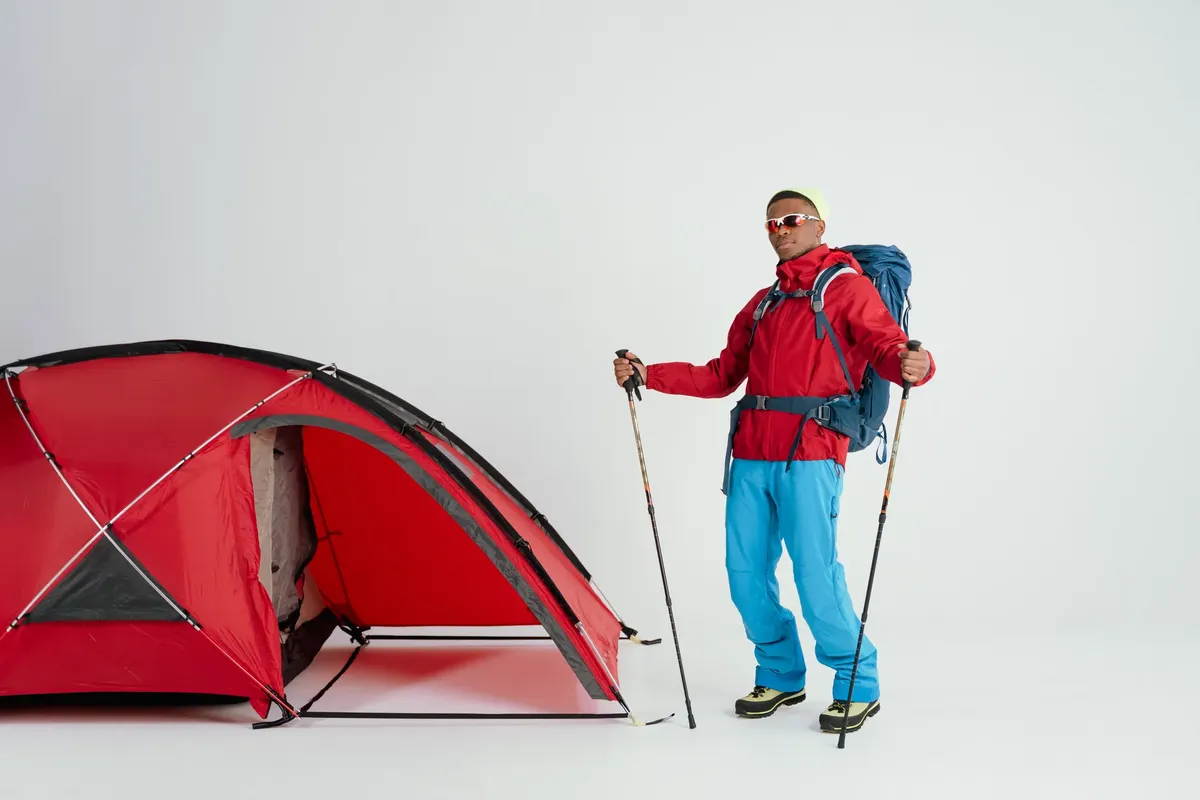
After selecting these items, perform a final check to ensure everything fits into a compact volume. I found that checking the compressibility of my layers before leaving home saved me from unexpected bulk on the trail.
This ensures that the gear you rely on can actually fit into your intended pack size.
A limitation of this system is that it requires high-quality, often more expensive, technical fabrics to be effective.
Professionals organize their packs by placing heavy items close to the spine and distributing weight evenly to maintain balance. They also use compression sacks to minimize the volume of bulky winter gear.
Wikipedia: Camping Based on the retained excerpt mentioning Outdoor Foundation: and the Outdoor Foundation, camping in the United States is gaining popularity after a fall of 4.2 million participants from 2011 to 2012.
Related
- Winter camping layering guide: How to manage heat retention
- Winter camping layering guide: Tips for extreme environments
When does the cold become an obstacle? When the cold becomes an obstacle, a poorly managed thermal system can lead to rapid energy depletion. The condition of extreme cold demands proactive management rather than brute force resistance. A smart preparation strategy allows the camper to treat the cold as a manageable environmental factor. According to the National Park Service, one should be winter ready for your adventure.
This management relies on the principle of continuous adjustment, ensuring that the body does not enter a state of uncontrolled thermal stress. The layering system facilitates this necessary adaptability when facing the cold.
The cold becomes a significant obstacle when it threatens your ability to maintain core temperature or when it affects the functionality of your equipment. Recognizing the onset of fatigue and shivering is crucial to preventing more serious issues.
What are the risks of ignoring layering principles in the cold? Ignoring layering principles invites the risk of cycling between overheating and dangerous chilling. If one relies on static bulk, the inability to shed excess heat during exertion causes profuse sweating. This moisture then accelerates the cooling effect when movement ceases, turning the cold into a severe obstacle.
This cycle of wetness and cold is precisely what the moisture-wicking base layer is designed to prevent. Maintaining a dry environment under the layers is crucial for survival in the cold.
Proper gear selection addresses the cold by prioritizing high warmth-to-weight ratios. Choosing materials that manage moisture effectively ensures that the insulation remains functional even when the body is exerting itself against the cold.






Comments 0