Winter camping sleeping bag guide: Tips for cold weather
"The cold is not an obstacle, but a condition to be managed with the right gear."
Choosing the right gear is the foundation of a successful winter adventure. This guide helps you select a sleeping bag that maintains warmth, provides proper insulation, and ensures comfort during freezing temperatures.
You will learn about temperature ratings, layering strategies, and essential preparation steps to stay safe.
How do I choose a winter camping sleeping bag?
A heavy frost settles on the tent fabric as you prepare your gear for the night. Selecting a winter camping sleeping bag requires understanding how insulation traps body heat against the biting cold. You must match the bag's rating to the expected environmental conditions to prevent hypotheranmia.
The primary factor is the temperature rating provided by manufacturers. This rating indicates the temperature at which a person can sleep in comfort or survive without injury. For true winter adventures, look for bags designed specifically for sub-freezing environments.
An effective winter camping sleeping bag guide emphasizes that the rating should be lower than the lowest expected nighttime temperature. If you expect temperatures to drop to 20°F, a bag rated for 0°F or lower offers a necessary safety margin.
This ensures you are not caught off guard by unexpected weather shifts.
Consider your expected lowest temperatures, the insulation type, and the bag's loft. Prioritize a bag that offers a comfort rating lower than the coldest temperature you anticipate encountering.
Which winter sleeping bags can handle extreme cold? Your fingers ache in the frozen wilderness as you pull a thick, high-loft bag tight against your chest to survive the winter.
The wind howls against the nylon shell of a heavy-duty sleeping bag. When searching for the best winter camping bags, you should prioritize high-quality down or synthetic insulation. Different materials offer various advantages regarding warmth and moisture resistance.
Down provides excellent warmth-to-weight ratios, making it a favorite for backpackers. However, it loses much of its loft if it gets wet. Synthetic insulation is heavier but maintains its ability to insulate even in damp conditions, which is vital in certain winter climates.
Effective cold weather sleeping bag tips suggest evaluating the loft of the insulation. Higher loft generally means more trapped air and better warmth. Choosing a bag with a high loft can be the difference between a restful sleep and a shivering night.

Look for high-fill power down bags with thick insulation and mummy-style shapes to trap body heat. Specialized expedition bags designed for sub-zero environments are essential for these conditions.
According to Outdoor Foundation, the 2011 record includes 4.2 million.
How to choose cold sleeping bag ratings effectively?
At midnight, you squint at the labels under a dim light to ensure the rating can withstand the biting winter chill.
A flashlight beam cuts through the dark as you inspect the labels on your gear. When learning how to choose cold sleeping bag ratings, you must distinguish between "comfort," "limit," and "extreme" ratings. These categories are not interchangeable and serve different purposes.
The comfort rating is the temperature at which a sleeping person can sleep comfortably. The limit rating is the temperature at which a non-sleeping person can survive. Using a limit rating as a comfort rating will result in a very cold night.
Always aim for a bag that meets your comfort needs rather than just survival needs. This strategy prevents the exhaustion that comes from sleep deprivation due to cold.
Focus on the comfort rating rather than the survival rating. The comfort rating is designed for a person to sleep soundly, whereas the survival rating only indicates the temperature at which hypothermia is a risk.
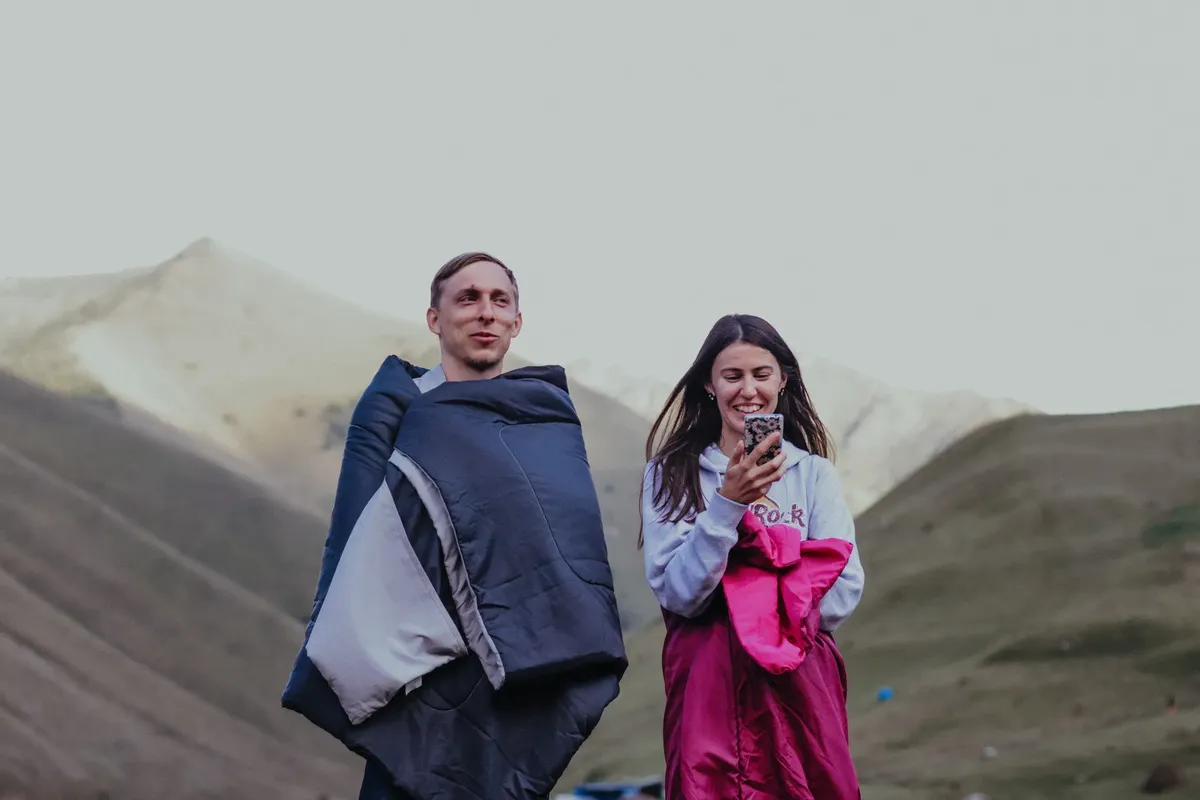
Should I layer my winter sleeping bags? You pull a thick fleece jacket over your shoulders before sliding into the bag. When considering layering with winter sleeping bags, you can add extra insulation to an existing bag to boost its warmth. This is a common technique for extending the use of seasonal gear.
Adding a sleeping pad is an essential form of layering. The ground can strip heat from your body much faster than the air. A high R-value pad acts as a barrier between you and the frozen earth.
| Feature | Down Insulation | Synthetic Insulation |
|---|---|---|
| Warmth Efficiency | High loft for weight | Moderate loft for weight |
| Moisture Resistance | Low | High |
I found that using a sleeping pad with a high R-value is just as important as the bag itself. If the ground is cold, the bag alone cannot keep you warm.
Layering can be effective, but ensure the outer layer does not compress the inner insulation. If the loft is crushed, the bag will lose its ability to trap heat, making it less effective.
What are the essential steps for winter sleeping bag preparation?
The scent of pine fills the air as you lay out your equipment on the campsite floor. To prepare for a freezing night, follow these steps to ensure your gear is ready:
- Inspect the insulation for clumps or loss of loft before packing. 2. Check the zipper functionality to ensure it moves smoothly in cold air. ch
- Test the fit to ensure you can move slightly without losing all trapped heat.
Finally, check that your sleeping bag is compatible with your sleeping pad. A bag that is too large for the pad might allow cold air to circulate underneath you.
- Inspect the zippers and stitching for any damage or wear.
- Loft the insulation by shaking the bag out to ensure it is full of air.
- Test the bag in a controlled environment to verify its warmth before heading into the field.
What are the limitations of winter gear?
The sun rises over a frozen landscape, revealing the limits of your equipment. A limitation of specialized winter gear is that it is often bulky and heavy, making it harder to transport. Additionally, extreme cold can affect the performance of zippers and certain synthetic materials.
According to the National Park Service, winter camping is a topic covered in their news updates.
The effectiveness of a sleeping bag is limited by the quality of your sleep pad. If the pad fails to insulate, the bag's rating cannot compensate for the heat lost to the ground.
No piece of gear can replace proper body heat management or a high-quality sleeping pad. Gear performance can also decrease if the insulation becomes damp or if the user is unable to stay dry.
Wikipedia: Camping Based on the retained excerpt mentioning Outdoor Foundation: and the Outdoor Foundation, camping in the United States is gaining popularity after a fall of 4.2 million participants from 2011 to 2012.
Related
- Layering Guide: 4.2 million Winter camping layering for heat
- Winter camping gear reduction: Tips for light winter camping
When is the cold an unexpected obstacle? When the cold presents itself as an unexpected obstacle, the gear selection process becomes even more critical. You must rely on the safety margin established by choosing a bag rated significantly lower than the forecast. This preparation mitigates the risk associated with sudden drops in temperature, turning a potential obstacle into a manageable condition.
What precautions should be taken regarding gear failure? If a component of your gear fails, such as a zipper seizing in the cold, the overall protection against the cold diminishes rapidly. Always inspect the zipper functionality before leaving home to ensure smooth operation in cold air. A compromised barrier allows the cold to penetrate, making the initial gear choice less effective.
Proper preparation helps manage the cold, even when facing unforeseen challenges. Understanding the limitations of your gear allows you to anticipate potential issues before they become a serious obstacle. Therefore, continuous gear assessment is part of the overall strategy.






Comments 0