Winter camping road care guide for safe access paths
"Winter camping requires preparation for both the environment and the infrastructure we use to access it."
Winter camping road care involves managing vehicle weight and surface stability to prevent deep ruts or erosion during freezing cycles. This guide provides methods for protecting campsite entrance paths and tips for preventing winter road wear to ensure access remains safe for all travelers.
How to manage winter camping road care?

At dawn, a heavy truck crawls along the frozen ridge, its tires crunching through the ice during winter road care.
A heavy vehicle rolls slowly over a frost-covered gravel path, the tires biting into the frozen surface. Managing winter camping road care requires understanding how frozen ground interacts with vehicle weight and runoff.
Maintaining the integrity of access paths prevents long-term damage to the landscape. Proper techniques help ensure that the ground remains stable during freeze-thaw cycles. Effective winter road damage fix strategies involve minimizing heavy traffic during the softest periods of the day.
- Clear heavy snow accumulation from the driving surface.
- Apply traction-enhancing materials to icy patches.
- Inspect drainage areas to prevent ice buildup.
- In this sequence, the first step is the most critical.
Why is protecting campsite entrance important?
A driver carefully maneuvers a trailer around a muddy patch at the edge of a gravel driveway. Protecting campsite entrance areas helps prevent the formation of deep ruts that can trap smaller vehicles or cause drainage issues.
When the ground is saturated, the weight of a camper can quickly turn a stable path into a muddy mess. If you are managing campsite access upkeep, it is vital to stay on established tracks to avoid widening the road.
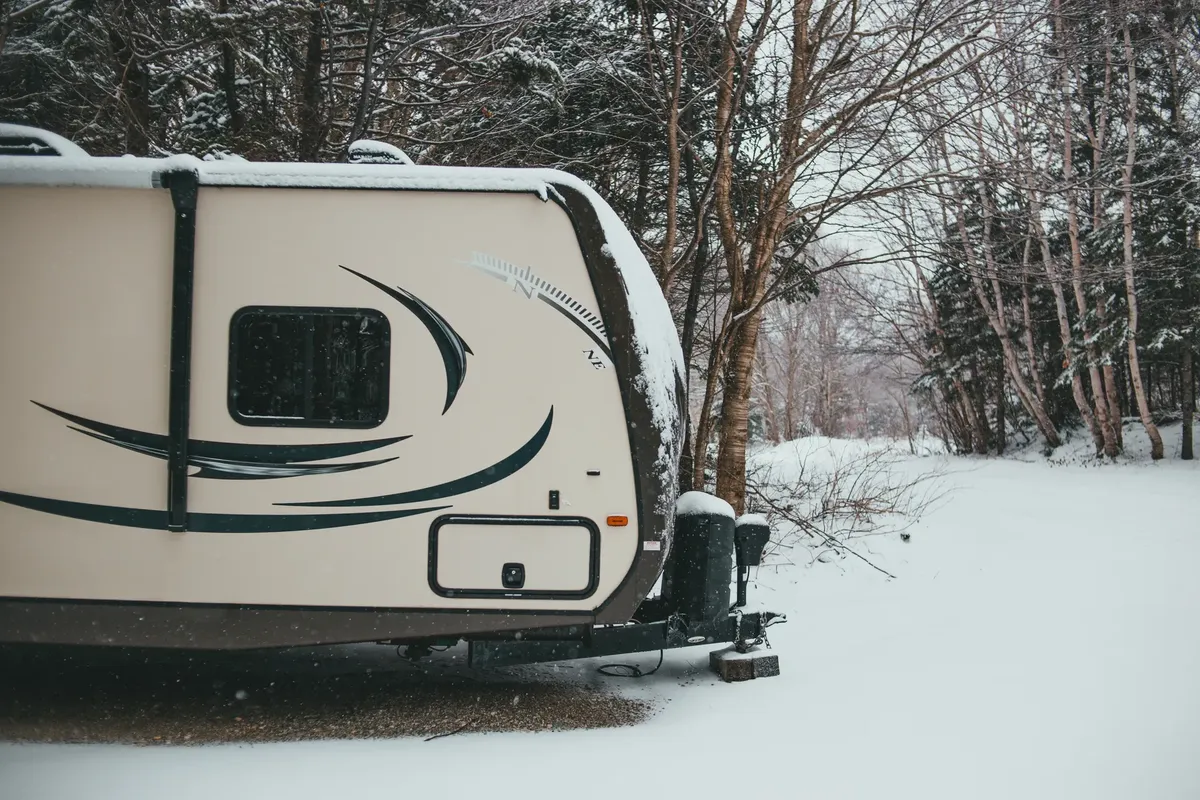
This prevents unnecessary soil compaction and preserves the natural drainage of the area.
Ensuring the entrance remains clear prevents vehicles from getting stuck and maintains easy access for all campers.
According to Outdoor Foundation, the 2011 record includes 4.2 million.
What are the best practices for winter roads?
A person clears a small amount of ice from a narrow trail to ensure a clear path for the morning. Using best practices for winter roads means adjusting driving habits to match the specific ground conditions of the season.
The goal is to minimize the impact of heavy equipment on the soil structure. By staying on the highest, most consolidated parts of the road, you reduce the likelihood of creating deep trenches. Following these steps helps maintain the longevity of the path for the rest of the season.
Always monitor weather changes and maintain a slow, steady speed to manage unpredictable surface conditions.
How to handle winter camping road protection tips?
A gloved hand checks the depth of a rut in the snow-covered dirt. Implementing winter camping road protection tips ensures that the entrance remains usable even as temperatures fluctuate.
When the ground is thawing, the surface becomes highly vulnerable to heavy loads. To prevent damage, you should follow a specific protocol:
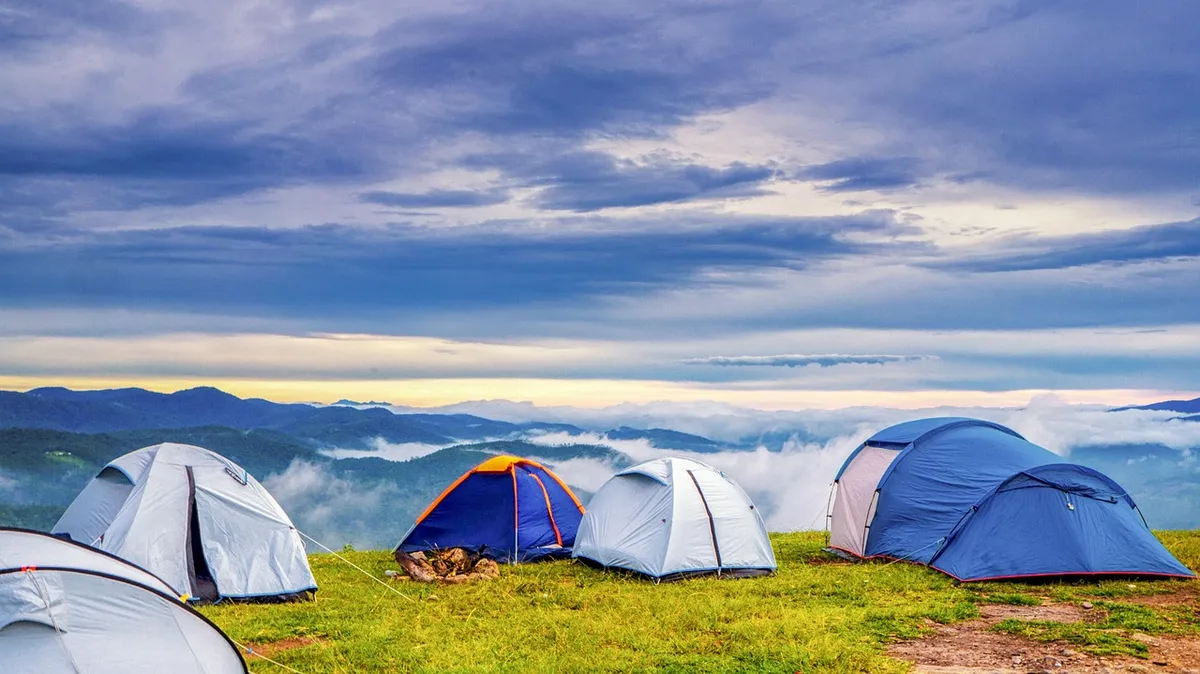
- Avoid driving during the peak thaw period when the ground is softest. 2. Use traction-enhancing tools to avoid spinning tires, which creates deep ruts. 3. Distribute weight evenly across the vehicle to minimize localized pressure.
A final check of the tire tracks can reveal if the ground is stable enough for continued use. I once noticed that staying on the frost-hardened edges of a path preserved the center much better than driving directly in the middle.
Use heavy-duty equipment to clear paths and reinforce edges against erosion caused by melting snow.
What are the limitations of road maintenance?
A shovel scrapes against a frozen, rocky surface that resists any easy clearing. A significant limitation is that heavy rainfall or sudden rapid thawing can undermine even the most carefully managed paths.
If the ground is already saturated, no amount of careful driving can completely prevent the shifting of the road surface. Certain conditions, such as extreme mud or deep slush, make standard maintenance ineffective until the ground re-freezes.
Extreme weather events and heavy snowfall can temporarily outpace manual or mechanical clearing efforts.
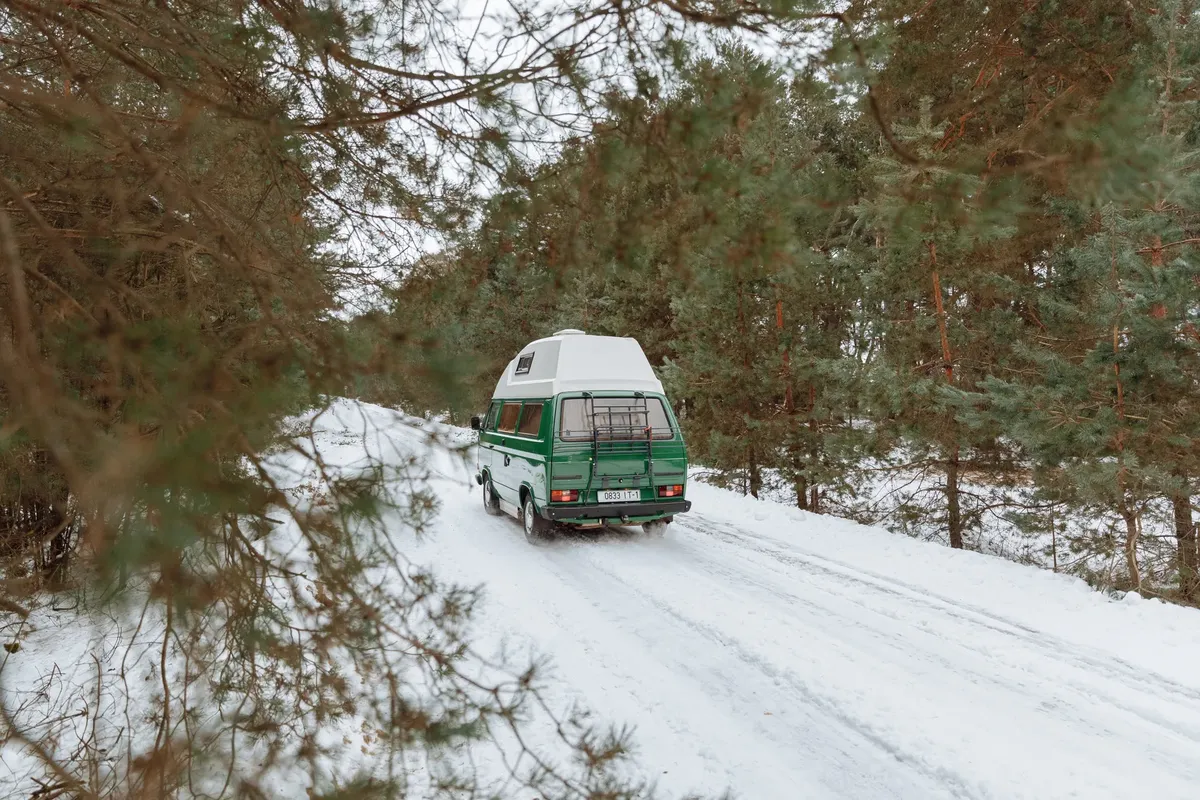
Wikipedia: Camping Based on the retained excerpt mentioning Outdoor Foundation: and the Outdoor Foundation, camping in the United States is gaining popularity after a fall of 4.2 million participants from 2011 to 2012.
Wikipedia: Camping Based on the retained excerpt mentioning Fédération Nationale de L'Hôtellerie de Plein: Data collected by the Fédération Nationale de l'Hôtellerie de Plein Air (FNHPA) shows that about 113 million overnight stays were recorded at French campsites in 2015, representing a 3.9% increase from 2014.
The same subject is also called Protect campsite entrance.
The same subject is also called Prevent winter road wear.
This part also covers How to maintain camping paths.
Related
- Camping first impression tips: Tips for site cleanliness
- Campsite safety and manners tips for wild travel
When should one apply traction-enhancing materials? Applying traction-enhancing materials is most beneficial when the surface presents icy patches during winter camping. This procedure helps the vehicle maintain grip when the ground is frozen but slick. The application should occur before travel across the affected area to maximize its effectiveness in preventing slippage.
What conditions necessitate careful weight distribution? Weight distribution requires attention when the ground is thawing, as this condition makes the surface highly vulnerable to heavy loads. Distributing weight evenly across the vehicle minimizes the localized pressure exerted on the soil structure. This caution helps prevent the formation of deep ruts during winter camping.
How does road wear relate to ground saturation? Ground saturation directly contributes to road wear because saturated soil easily turns into a muddy mess under the weight of a camper. Staying on established tracks helps prevent this soil compaction, which preserves the area's natural drainage during winter camping.
Maintaining the integrity of access paths is a continuous requirement for safe winter camping travel. Proper techniques must be employed to ensure the ground remains stable throughout the freeze-thaw cycles. This proactive maintenance reduces the risk of access becoming impassable.






Comments 0