Campground Etiquette: Essential Rules for a Peaceful Visit
"The greatest threat to a perfect camping trip isn't a sudden storm or a lost trail, but the carelessness of a camper who forgets they are a guest of the wild."
Mastering the balance between adventure and responsibility ensures that the trails stay open and the campsites stay welcoming for everyone. Success in the outdoors requires proactive preparation, strict adherence to local rules, and a commitment to the Leave No Trace philosophy.
* Preparation is protection: Always check local burn bans and weather reports before arriving at your site. * Respect the neighbors: Noise control and privacy boundaries are the foundation of a peaceful campground. * Leave no trace: Effective waste management and fire extinguishment prevent environmental damage and legal trouble.

Why Safety Protocols Matter: Beyond Just Following Rules
The sun dips below the jagged horizon of the Sierra Nevada on a Tuesday evening in late August 2025, casting long, amber shadows across a crowded campsite where the crackle of wood is the only sound.
According to the Outdoor Foundation, camping in the United States is gaining popularity after a fall of 4.2 million participants from 2011 to 2012.
You sit on a folding stool, checking your perimeter, knowing that the rules written on the park entrance sign aren't just suggestions—they are the difference between a controlled evening and a catastrophic wildfire.
As camping grows in popularity across the United States, the density of people in our national and state parks increases the stakes for every individual.
Data from the Outdoor Foundation and other sources indicates that camping in the United States has seen significant shifts in participation, with fluctuations in numbers over the years.
As more people head into the woods, the necessity for rigorous safety standards becomes even more critical to prevent accidents that could close entire recreational areas.
In 2026, with record-breaking heatwaves frequently hitting the western states, the risk of human-caused ignition is at an all-time high.
Fire risk management is the most vital component of site compliance. Before you even strike a match, you must verify the local burn bans. In many forested regions, even a small cooking fire is prohibited during peak dry seasons.
When fires are allowed, they must be contained within designated metal rings or stone pits provided by the park.
Group responsibility is equally important. In a group setting, situational awareness is a collective duty. This means performing "buddy checks" to ensure everyone has sufficient water, appropriate layers for temperature drops, and that no one is wandering off alone as dusk approaches.
Adhering to specific campground regulations—such as noise curfews or specific waste disposal protocols—is not about being restricted; it is about maintaining the integrity of the ecosystem and the safety of the community. But rules on paper are one thing; the reality of human behavior is another.
The Art of Good Camping Etiquette: Being a Guest, Not Just a Visitor
A heavy bassline thumps from a neighboring site at 11:00 PM on a Friday in July 2025, vibrating through the thin nylon of your tent and drowning out the natural sounds of the forest.
You glance at your watch, feeling the frustration of a ruined night's sleep, knowing that the person in the next loop has forgotten the unspoken contract of the woods.
Good etiquette is about managing your presence so that you are an invisible guest rather than an intrusive visitor. Noise management is the primary friction point in campgrounds. After dark, sound travels much further and carries more weight.
Keeping voices low and avoiding loud music ensures that neighbors can sleep and wildlife can remain undisturbed.
Waste management is the second pillar of etiquette. This includes the proper disposal of human waste and "blackwater" (greywater from washing). In many backcountry settings, you must follow specific burial or packing-out protocols to prevent contaminating the soil.
In established campgrounds, using the provided latrines and keeping trash bins tightly sealed is mandatory to prevent attracting scavengers to your site.
Resource sharing also requires finesse. When using communal water taps or shared grills, be mindful of the wait times. If you are using a communal facility, clean it immediately after use so the next person doesn't inherit your mess.
Effective etiquette means leaving the shared space in better condition than you found it. However, even with perfect manners, one mistake with a single match can destroy everything.
Fire Safety: Preventing Incidents Before They Start
You kneel by the dying embers of a campfire on a cool October night in 2025, the smell of woodsmoke thick in the air. You reach out to move a glowing coal with a stick, but you pause, remembering the rule: if it isn't cold to the touch, the job isn't done.
Fire safety begins with proactive gear checks and site selection. Before you arrive at a campsite, check the local weather reports for high winds or extreme drought conditions that might render your planned activities illegal or dangerous.
Once on-site, ensure your fire pit is clear of overhanging branches and that there is a clear perimeter around the ring.
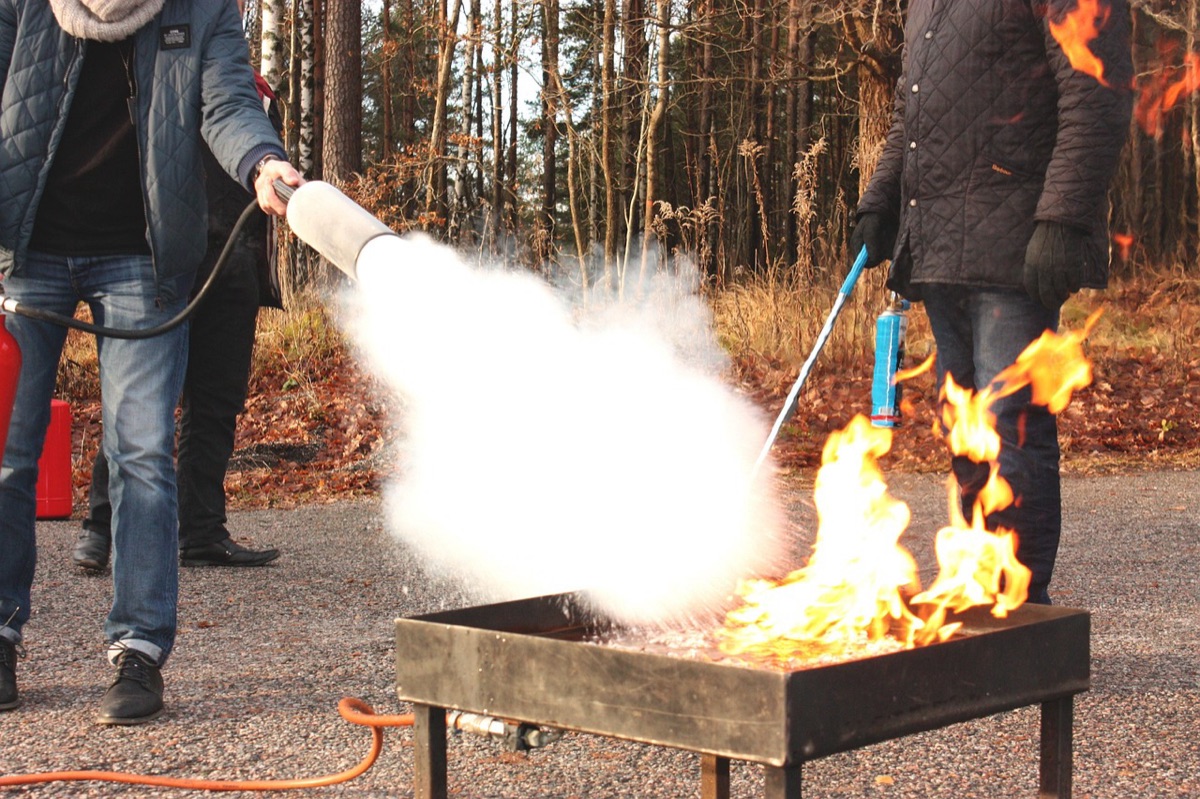
The "cold to the touch" rule is the gold standard for extinguishing fires. Many campers make the mistake of simply pouring a little water on top and walking away.
To properly extinguish a fire, you must soak the embers with water, stir the ashes to ensure the heat is distributed, and repeat the process until you can place your hand in the pit without feeling warmth.
When managing cooking fuels, balance is key. In many modern camping scenarios, you might rely on portable stoves for 5–20 minute meals to keep the site clean. However, if using a wood fire for cooking, ensure the heat is managed so that food is cooked thoroughly without the risk of spreading embers.
Always keep a bucket of water or a shovel with dirt nearby during every single burn session. But what happens when the rules of the woods meet the unpredictable nature of the wild?
Environmental Stewardship: Leaving Only Footprints, Taking Only Memories
The morning mist clings to the damp ground as you walk the perimeter of your campsite in the early hours of a 2026 summer morning. You scan the area for any stray bits of trash or moved rocks, ensuring that the site looks exactly as it did when you arrived.
Environmental stewardship is the practice of "Pack It In, Pack It Out." This means every single item you brought—including biodegradable items like orange peels or eggshells—must be packed out if local rules require it.
In sensitive ecosystems, leaving organic waste can alter the local soil chemistry and attract unwanted animals to the area.
Wildlife interaction is another critical area of stewardship. In many regions, food must be stored in bear-resistant containers or hung in bear bags to prevent habituating animals to human food.
A single improperly stored meal can lead to a "problem animal" that might eventually be relocated or put down.
When washing dishes or gear, never do so directly in a lake or stream. Even biodegradable soap can harm aquatic life if it enters the water source directly. Always carry your greywater at least 200 feet away from water bodies to wash, allowing the ground to act as a natural filter.
If you fail to protect the environment, you risk losing the very places you love to visit.
Advanced Scenario Planning: When Things Go Wrong (Troubleshooting)
The sudden crack of a branch in the dark or the sudden onset of a heavy downpour forces you to move quickly. You reach for your flashlight, your mind racing through the emergency protocols you practiced before the trip began.
When minor mishaps occur—such as a small burn on a hand or a punctured sleeping pad—handle them immediately with the tools you have on hand. For minor burns, cool the area with clean water immediately.
For equipment malfunctions, have a troubleshooting kit ready (tape, multi-tools, etc.) to prevent a small break from becoming a survival situation.
In the event of a real emergency, knowing the difference between local emergency services (911) and campground-specific management is vital. In remote areas, your primary contact might be a ranger station or a satellite-based emergency communicator.
Always have a written emergency contact protocol: who to call, what your coordinates are, and how to signal for help.
Weather contingency planning is the final layer of safety. If a severe weather warning is issued, have a plan to move to a hard-sheltered area or to evacuate the site entirely. Knowing when to "call the trip" is just as important as knowing how to pitch a tent.
When I first started camping in the late 2010s, I thought a heavy jacket and a flashlight were enough. I quickly learned that preparation is a continuous process of checking gear and understanding the terrain.
Summary of Camping Safety and Etiquette
| Category | Key Action | Why It Matters |
|---|---|---|
| Fire Safety | Soak embers until "cold to the touch" | Prevents accidental wildfires and escapes. |
| Noise Control | Observe curfew and low volume | Respects neighbors and local wildlife. |
| Waste Management | Pack out all trash (including organic) | Prevents pests and protects soil health. |
| Wildlife | Use bear-resistant storage | Prevents dangerous animal-human encounters. |
| Site Compliance | Follow all posted park rules | Ensures continued access to natural areas. |
Quick Checklist for a Responsible Campout
- Pre-Trip: Check local burn bans and weather forecasts for your specific dates.
- Arrival: Inspect the fire pit and verify site rules with the ranger.
- During Stay: Keep food in airtight containers and manage noise levels.
- Departure: Inspect the site to ensure no trash or embers remain.
#





Comments 0