Camping Gear Guide: 4 Essential Categories for Beginners
Stop throwing money at shiny gear before you even know if you actually like sleeping under the stars.
The secret to starting your camping journey without breaking the bank is prioritizing function over aesthetics and matching your gear to a specific style. Instead of buying everything at once, focus on "shelter, sleep systems, cooking, and lighting" to ensure your first trip is comfortable rather than a costly lesson in regret.
* Define Your Style First: Gear weight and size change drastically between solo hiking and family car camping. * Avoid the "High-End Trap": Start with reliable entry-level brands to learn your needs before upgrading. * Prioritize Comfort Zones: Allocate at least 60% of your initial budget to sleep systems and cooking gear. * Test Before You Invest: Use rental services or local cooperatives to "try before you buy."
Why Smart Gear Selection Matters in 2026
The outdoor industry has shifted significantly over the last couple of years. According to the Outdoor Industry Association's 2025 report, camping participation grew by roughly 12% compared to the previous year, signaling that the hobby has moved into a mainstream lifestyle staple.
We are seeing a major move toward "intentional minimalism." While the mid-2020s saw a craze for massive glamping setups, the current trend in 2026 is all about high-efficiency, multi-purpose gear that maximizes space and reduces setup time.
Data from recent consumer spending surveys shows that leisure spending on outdoor equipment has risen by 8% year-over-year. However, consumers are now spending more per item on quality rather than buying massive quantities of cheap goods.
People are realizing that one good stove is better than three mediocre ones. This shift toward "buy it once" mentality is helping beginners avoid the clutter of low-quality gear that breaks after a single trip.
I learned this the hard way during my first trip to the Ozarks. I spent nearly $500 on a massive, heavy-duty canvas tarp and an oversized cooler.
By the time I actually got the thing set up in the humidity, I was too exhausted to even cook dinner. That night taught me that "gear weight equals friction," and friction is the enemy of enjoying nature.
The Essential Gear Roadmap: What to Buy First?
To avoid the common pitfall of buying useless accessories, use this breakdown to guide your spending. Focus on the categories that impact your physical comfort most directly.
| Category | Must-Have Items | Nice-to-Have Items | Recommended Budget % |
|---|---|---|---|
| Shelter | Tent, Sleeping Pad, Bag | Tarp, Ground Cloth | 35% |
| Cooking | Stove, Cookware, Cooler | Griddle, Water Jug | 30% |
| Rest/Seating | Chair, Lanterns | Folding Table | 25% |
| Misc. | First Aid, Fire Starter | Bluetooth Speaker | 10% |
1. Don't Skimp on the Sleep System Your tent is your home, but your sleeping pad is your sanity. Even a high-end $400 tent will feel like a nightmare if you are lying on cold, hard ground.
You need a dedicated sleeping pad—either foam or inflatable—to create a thermal barrier against the earth. When picking a sleeping bag, always look at the "comfort rating" rather than the "survival rating."
A bag rated for 30°F might keep you alive, but it won't keep you warm enough to sleep soundly. Comfort is what makes you want to go camping again next weekend.
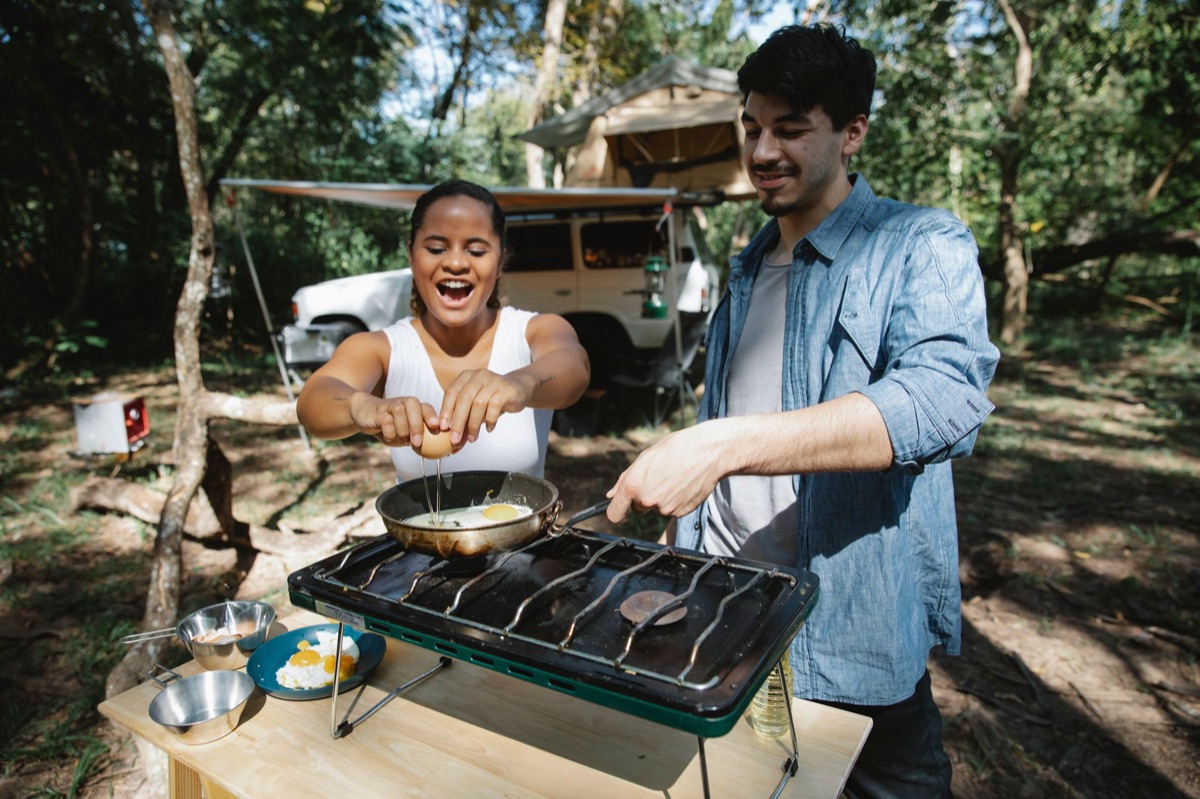
2. Mastering the Camp Kitchen Cooking is often the highlight of the trip, but don't feel pressured to buy a complete gourmet kitchen on day one. Most beginners can get by with high-quality stainless steel pots from home and a reliable propane stove.
However, do invest in a dependable stove and a high-performance cooler. A cheap cooler that fails to keep ice frozen for 24 hours can ruin your entire weekend of food.
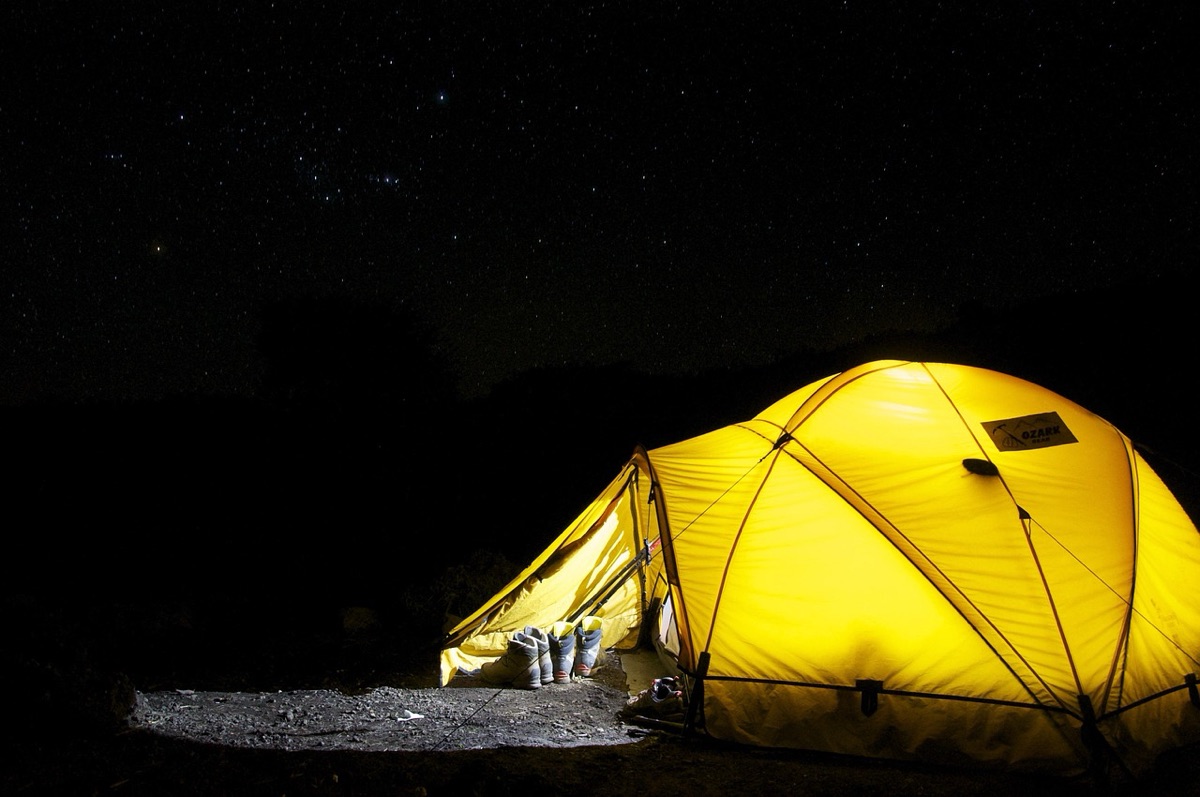
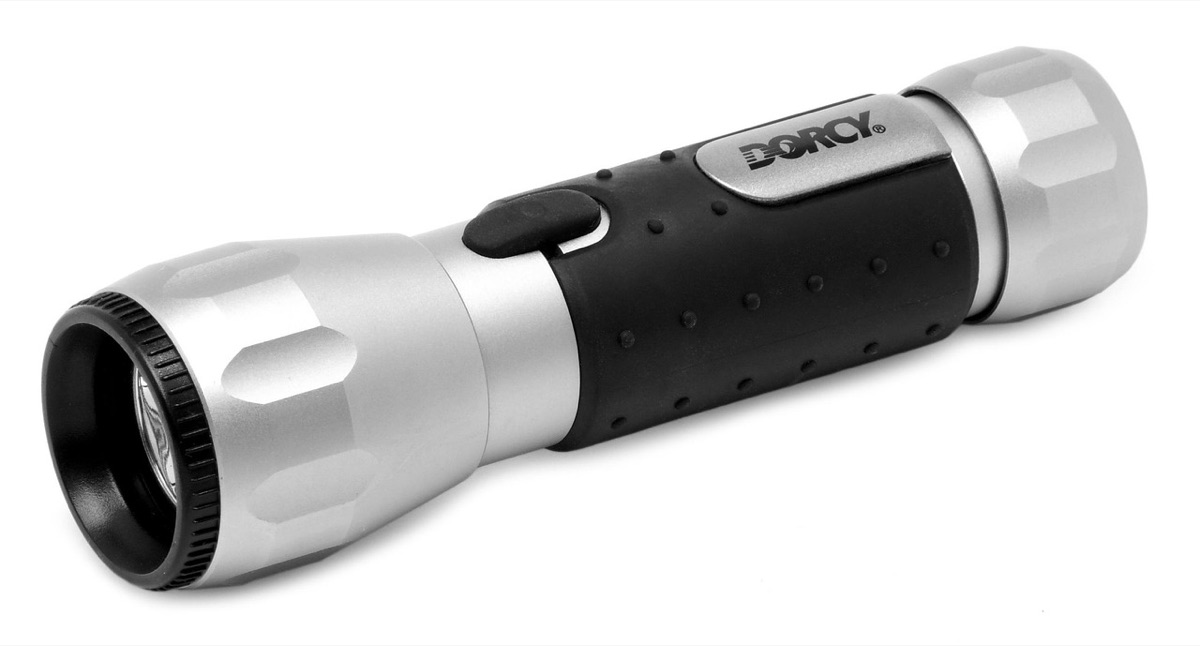
3. Lighting and Safety Essentials Campgrounds get significantly darker than you expect once the sun dips below the tree line. You need at least two types of light: a bright lantern for the table and a softer, ambient light for walking around.
According to Outdoor Life's 2026 Gear Trends Analysis, roughly 70% of first-time campers report discomfort due to insufficient lighting. Stick to rechargeable LED options to save money on batteries in the long run.
How to Build Your Kit: A 4-Step Process
Follow these steps to ensure your gear evolves with your skills rather than becoming a pile of clutter in your garage.
- Identify Your Mission: Decide if you are going solo (backpacking), with a group (car camping), or staying in a vehicle (overlanding).
- Rent or Buy Used: Check local retailers or marketplaces. Testing a specific brand's tent before committing $300 is a pro move.
- Buy for Impact: Spend your money on things that touch your body (chairs, pads) or keep you safe (stoves, lights).
- Audit Your Experience: After your first trip, write down what you actually used and what sat idle in the car.
Common Rookie Mistakes to Avoid
Even with a plan, it is easy to fall into these three traps:
* Prioritizing "Aesthetics" over Utility: It's tempting to buy trendy gear seen on social media, but if it can't handle rain or wind, it’s just expensive decor. * Ignoring Volume and Weight: Many beginners buy gear that looks great in a showroom but won't actually fit in their trunk once everything is packed. * Neglecting Seasonality: Buying a lightweight summer sleeping bag only to realize you can't camp in the autumn is a recipe for a short season.
According to the Consumer Reports 2025 Outdoor Safety Guide, improper seasonal gear selection accounts for nearly 15% of preventable campsite discomfort reports.
Of course, these aren't hard rules. A hardcore backpacker might argue that every ounce matters, while an "overlander" might say comfort is everything. The goal isn't to follow my list perfectly, but to ensure your gear supports the specific version of camping you want to do.



Comments 0