Tent how guide for choosing the right shelter setup
The sun was just beginning to dip behind the treeline when I realized my tent poles were slightly too long for the short guy-lines I had packed. The right tent depends entirely on your intended style of camping, whether it is car camping with a large family or solo backpacking. The sheer amount of gear can feel like a mountain of decision-making, but the reality is much simpler: you need shelter, warmth, and a way to eat.
Mastering these basics ensures comfort regardless of the environment.
* Prioritize a weather-resistant tent and a high-quality sleeping pad. * Invest in a versatile stove and a durable cooler. * Focus on layering clothing for temperature regulation. * Start with organized, lightweight gear to avoid overwhelm.
What gear do you actually need for your first trip?
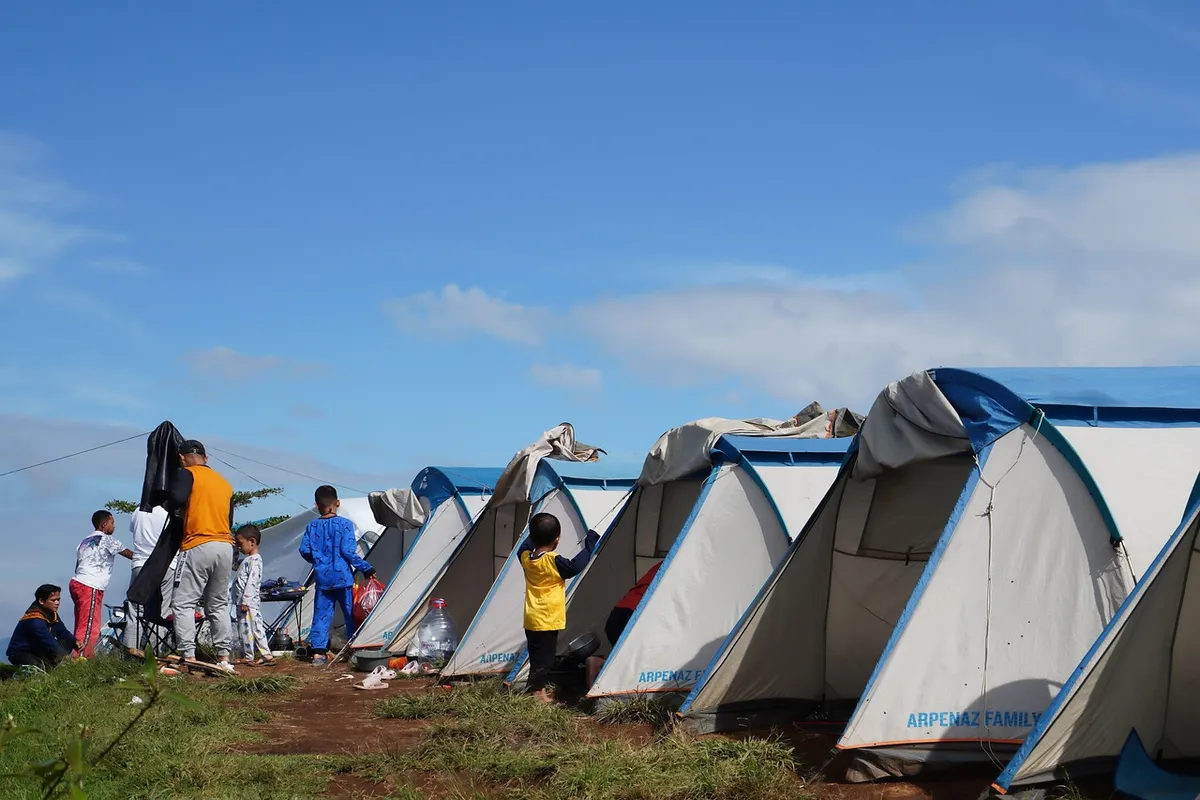
At dusk in the clearing, I brushed my sweaty palms against the rough fabric of my new tent while hauling the heavy bags from the truck.
According to the Quetico Superior Foundation, preparing for your first trip requires understanding the basics of the environment.
According to the Times Union, a beginner's guide to camping in upstate New York was published in 2022.
For a successful first outing, you don't need the most expensive ultralight titanium everything. You need a tent that stands up to wind, a sleeping bag rated for the local nighttime low, and a way to boil water. If you focus on these three pillars, you can handle almost any beginner-level campsite.
To build your first kit, follow this logical progression:
- Secure a tent that is slightly larger than your expected occupancy to allow for gear storage. 2. Choose a sleeping pad with an acceptable R-value for the ground temperature. 3. Pack a versatile multi-tool and a reliable headlamp for hands-free movement at night.
Once these are in place, you can focus on the finer details of comfort.
How do you choose the right tent for your setup?
In the evening I hold tent and walk through the next step.
Choosing a tent is about balancing the size of the living space with the weight and footprint of the structure.
As noted by the Times Union in 2022, selecting the appropriate shelter is a key component of a successful camping experience.
If you are car camping, you can prioritize space and ease of setup over weight. If you are heading into the backcountry, you must prioritize weight and packability.
When selecting a tent, consider these three factors:
* Capacity: Always size up. A two-person tent is often tight for two adults with gear; a three-person tent provides much-needed breathing room. * Seasonality: A 3-season tent is the standard for most campers, offering a balance of ventilation and protection. * Structure: Dome tents are easy to set up and stable in wind, while tunnel tents offer great living space but require more specific ground conditions.
Checking the vent system is the final step to ensure you don't wake up to condensation dripping on your face.
How can you master tent and tarp installation?
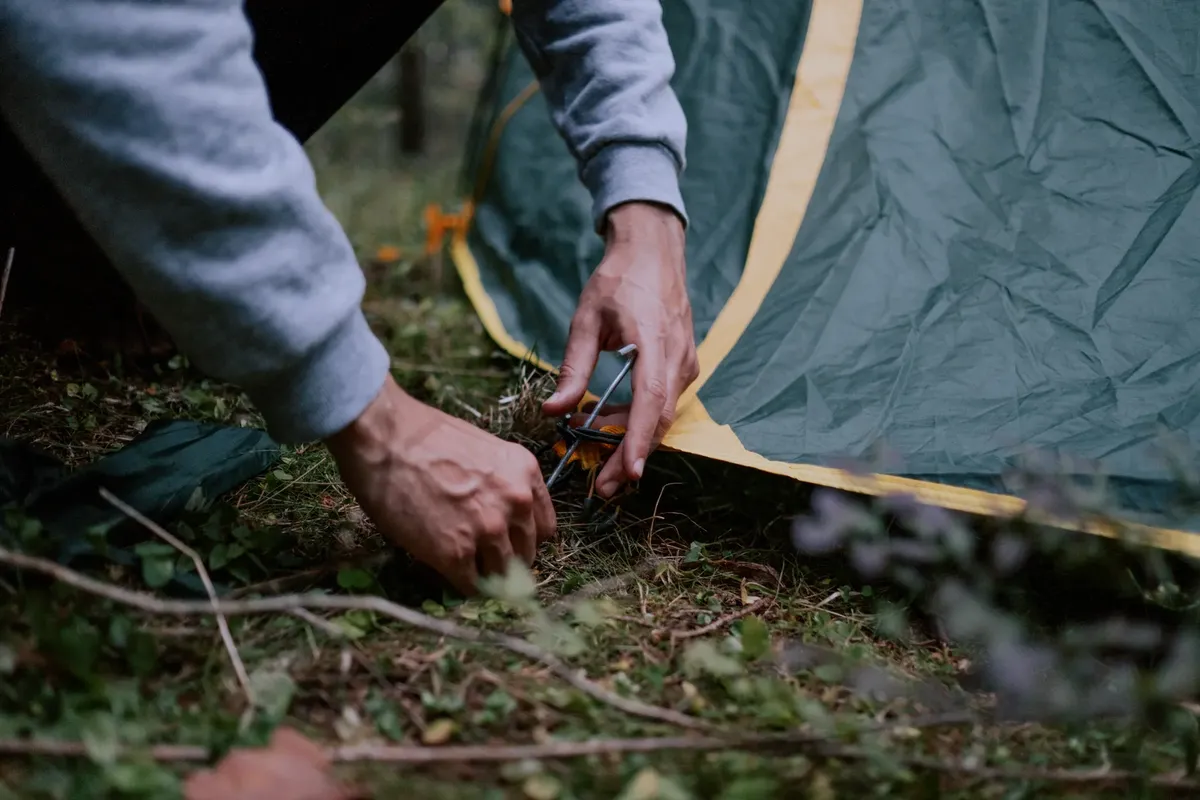
I spent forty minutes wrestling with a tarp in a sudden gust of wind, learning the hard way that tension is everything. Setting up a shelter is not just about putting poles in holes; it is about understanding tension, stakes, and wind direction.
A properly installed tent or tarp creates a microclimate that protects you from the elements. If the structure is too loose, it will flap and noise will keep you awake; if it is too tight, you risk tearing the fabric or snapping a pole.
Follow these steps for a stable setup:
- Clear the ground of all sharp rocks, sticks, and debris before laying down the tent body. 2. Stake out the corners of the tent first to establish the footprint before raising the poles. * 3. Use guy-lines to pull the fly away from the tent body to prevent moisture transfer.
A sturdy setup is the foundation of a good night's sleep.
What are the essentials for camping meals?
The smell of coffee brewing on a small butane stove at 6:00 AM is one of the best parts of the morning. However, managing food in the wild requires a different kind of organization than cooking in a kitchen.
Camping meals should be calorie-dense, easy to prepare, and require minimal cleanup. You want to avoid complex recipes that require dozens of ingredients or specialized tools that take up too much space in your pack.
For efficient cooking, remember these tips:
* One-pot meals: Focus on recipes that can be made in a single vessel to save fuel and washing time. * Pre-prep at home: Chop vegetables or marinate meats before you leave to reduce waste and effort at the campsite. * Fuel management: Always carry more fuel than you think you need, especially if you are cooking in cold weather.
Always remember to pack a reliable way to clean your dishes, such as biodegradable soap and a small scrub pad.
How do you handle car camping and sleeping in a vehicle?
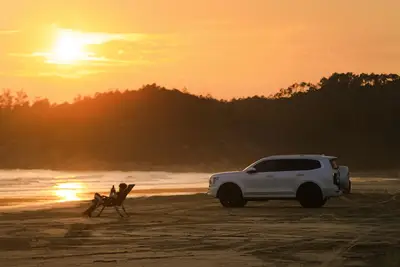
The first time I slept in the back of my SUV, I realized that the flat floor was a myth and the suspension made every bump feel like a mountain. Car camping offers a unique kind of comfort and accessibility that traditional tent camping cannot match.
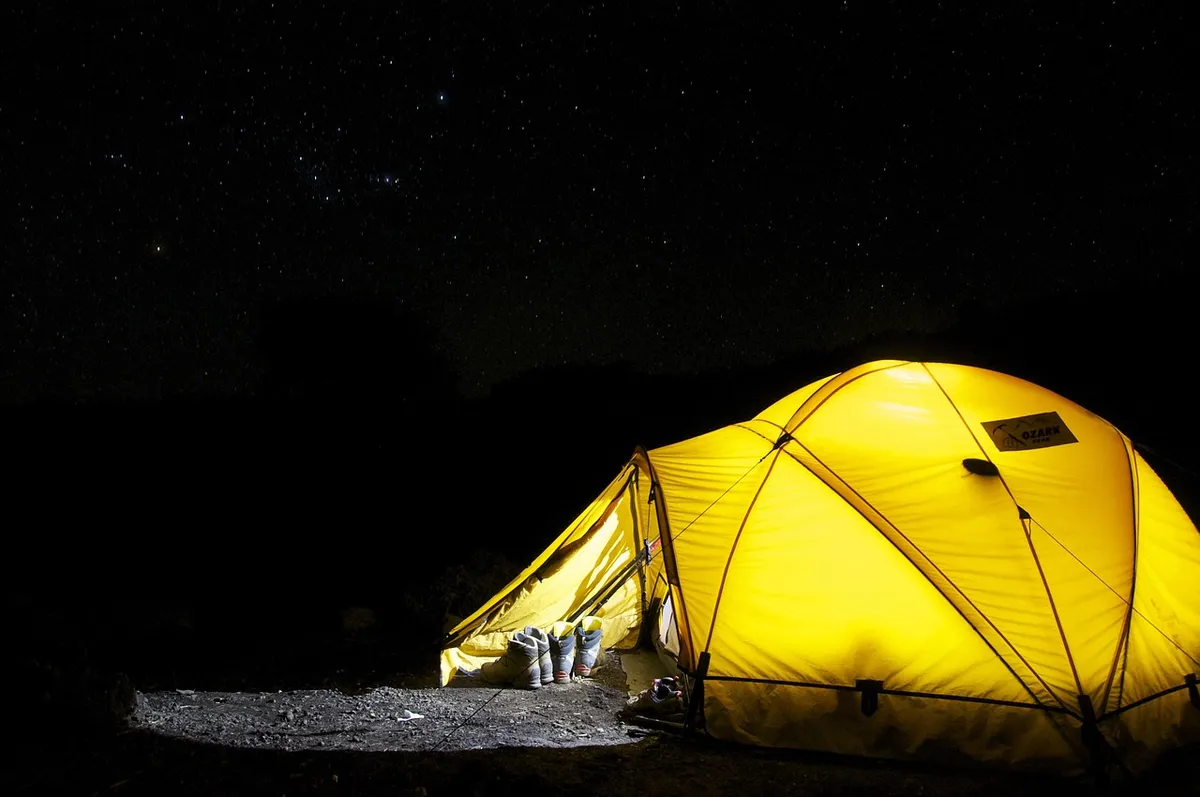
Car camping allows you to bring more heavy, comfortable items like larger coolers, real pillows, and even heavy cast iron pans. It is an excellent way to transition from tent camping to more rugged adventures without sacrificing much comfort.
To optimize a vehicle for camping, focus on these areas:
- Leveling: Ensure your sleeping platform is as level as possible to prevent sliding during the night. 2. Window Management: Use mesh screens or window deflectors to allow airflow while keeping insects out. 3. Storage Organization: Use plastic bins or soft-sided organizers to keep gear from sliding around while the car is in motion.
Getting the sleeping arrangement right is the difference between a restful night and a sore back.
What are the secrets to successful backpacking?
Moving through the woods with everything on your back changes your relationship with the trail. I remember the first time I reached a summit, breathing hard but feeling an incredible sense of lightness because my pack was so minimal.
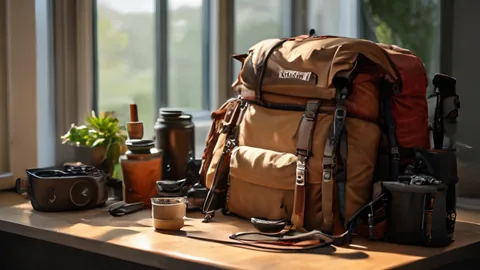
Backpacking is the art of minimalism. Every gram you carry represents a choice you made between comfort and capability. The goal is to carry only what is necessary for survival, warmth, and basic comfort.
To keep your pack weight manageable, follow these rules:
* Multipurpose gear: Choose items that serve more than one function, like a jacket that works for both hiking and evening warmth. * Weight distribution: Pack heavy items close to your spine and centered in the middle of the pack to maintain balance. * Water management: Use lightweight filtration systems rather than carrying large amounts of heavy water bottles.
A well-balanced pack makes the difference between an enjoyable hike and an exhausting struggle.
How do you prepare for winter and wet weather camping?
The sudden realization that my sleeping bag was too thin for a freezing night made me rethink everything about my gear choices. Winter and wet weather camping require a significant shift in how you manage heat and moisture.
In cold or wet conditions, your primary enemy is moisture. Whether it is rain from the sky or sweat from your body, moisture destroys the insulating properties of your gear.
To stay safe and warm in harsh conditions, prioritize these actions:
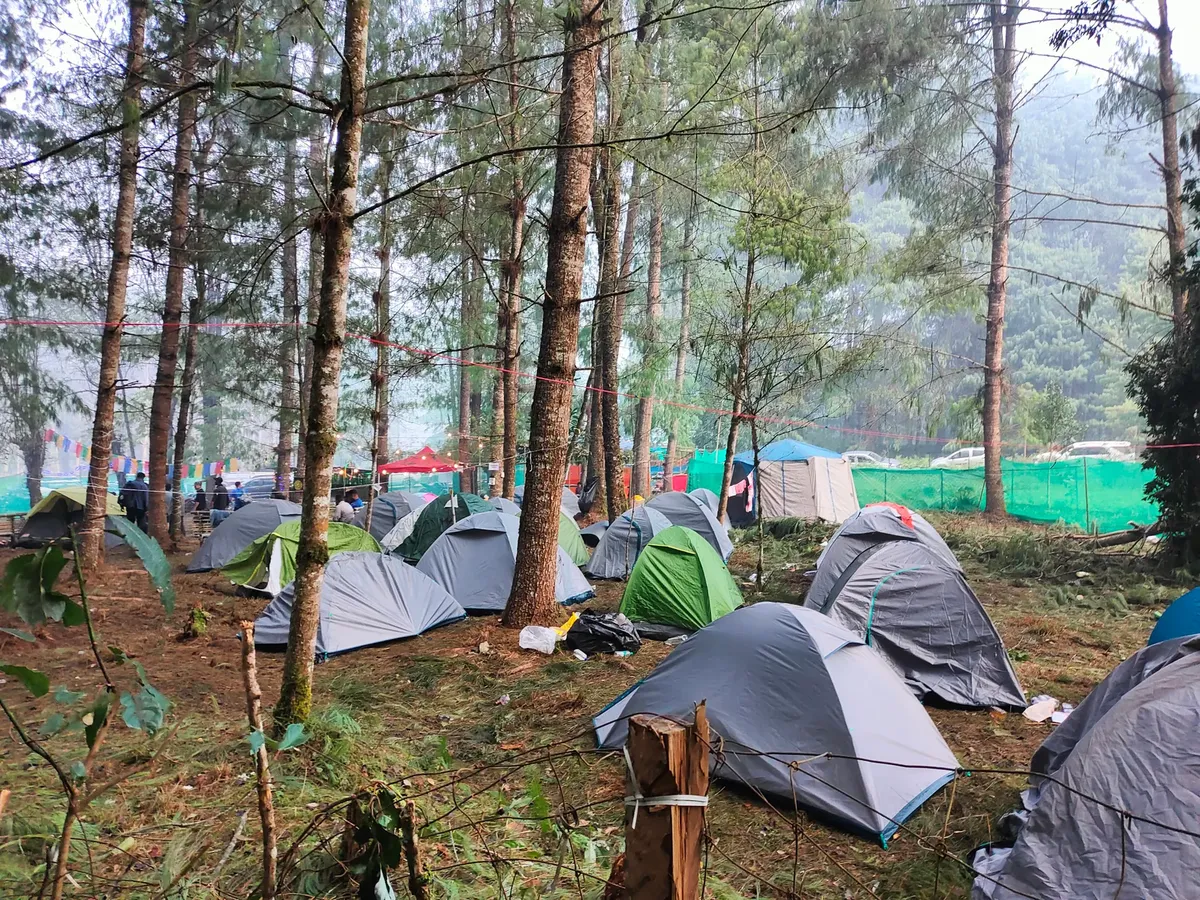
- Layering: Use a moisture-wicking base layer, an insulating middle layer, and a waterproof outer shell. 2. Insulation from the ground: Use a high R-value sleeping pad to prevent the cold ground from sucking the heat out of your body. 3. Dryness management: Keep your sleeping bag in a waterproof dry bag and change into dry clothes immediately upon arriving at camp.
Always check local weather reports and trail conditions before heading out into unpredictable environments.
This order does not hold, however, when the figure is not 082%.
- "The best way to master camping is to start with the essentials and scale your complexity only as your confidence grows."
- To prepare for your first outdoor adventure, focus on securing reliable shelter, proper sleep systems, and versatile cooking tools before investing in specialized gear.
- I remember standing in the middle of a gravel parking lot at a state park, staring at a pile of nylon and metal, wondering why I thought this was a good idea.
Related





Comments 0