Winter campfire cooking ideas: Guide to hearty meals
"The crackle of a wood fire provides the perfect backdrop for a cold night, but the true magic lies in the warmth of a meal prepared over the embers."
Winter camping requires specific preparation to ensure that meals are both satisfying and safe in freezing temperatures. This guide explores how to select hearty recipes and manage fire-based cooking to keep you warm during cold weather camping.
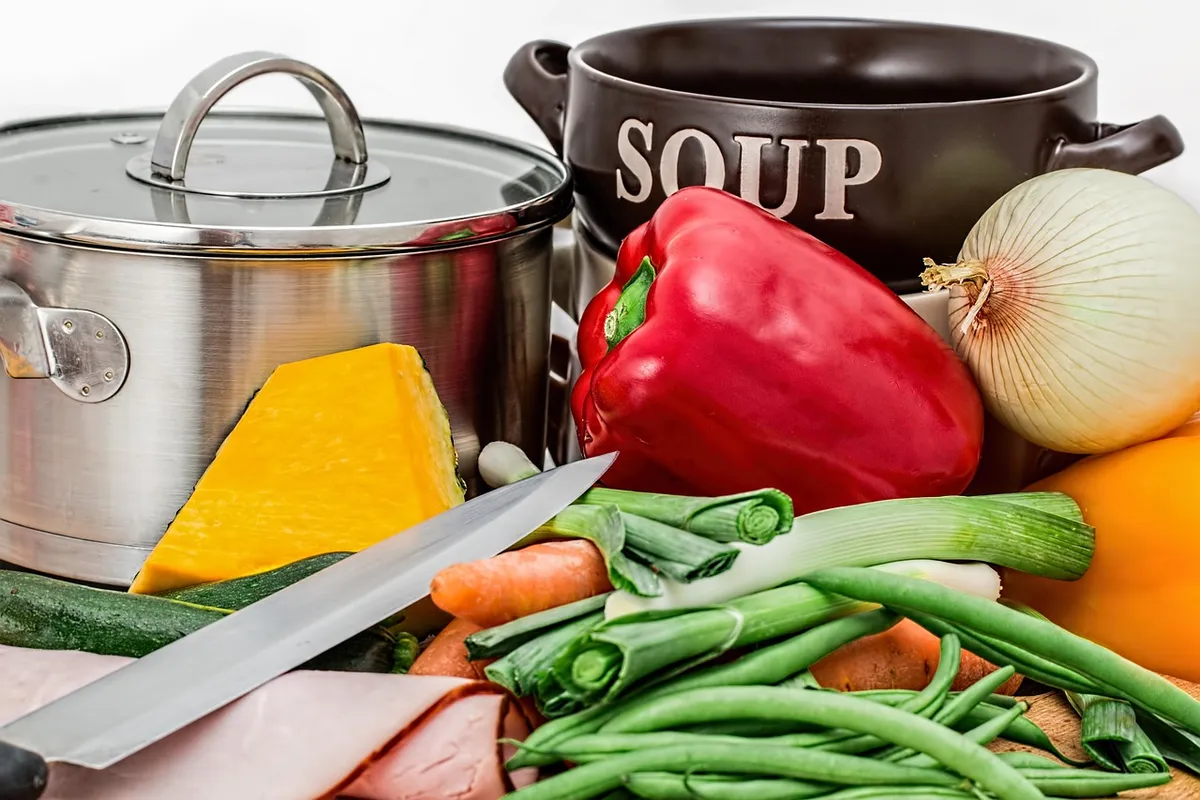
You will learn about heat management, food selection, and safety.
How can I choose the best winter camping fire food?
A heavy cast-iron skillet sits on a tripod over a bed of glowing coals. Choosing the right ingredients ensures that you have enough energy to combat the cold throughout the night. According to the National Park Service, be winter ready for your adventure.
Selecting calorie-dense foods is essential when the temperature drops. Hearty meals like stews or thick-chili-based dishes provide the necessary fuel for the body to maintain its temperature. You should focus on ingredients that can withstand long cooking times over a managed fire.
Preparing these meals requires planning for fuel consistency. You must ensure your fire is established before the sun sets to maintain a steady heat source. This preparation is a key part of successful winter camping.
What are the best fire roasting for winter camping ideas? Winter campfire cooking ideas
A metal skewer holds a thick piece of seasoned meat over the heat. Roasting food directly over the fire can be efficient, but it requires careful temperature control to prevent burning the outside while leaving the center cold.
For easy campfire dishes for cold nights, consider foods that are easy to handle with minimal cleanup. Root vegetables, such as potatoes or carrots, can be wrapped in foil and placed directly into the coals. This method keeps the food hot for a long enough time to serve a group.
I once tried roasting thick sausages over an open flame, and I noticed how the intense heat required constant attention to keep the food from charring. Using a grate can help manage the distance between the food and the heat.
According to Outdoor Foundation, the 2011 record includes 4.2 million.
How do I manage easy campfire dishes for cold nights?
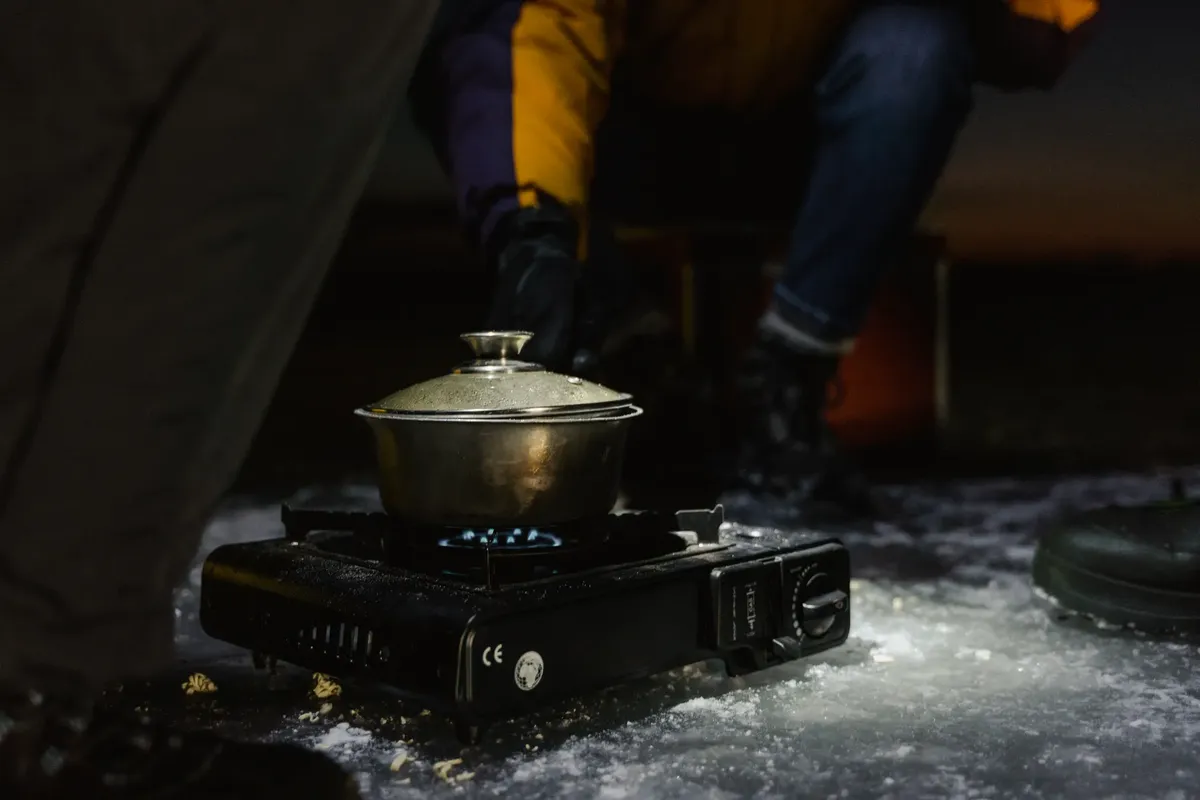
As the wind howls through the trees at midnight, I pull a foil-wrapped potato from the hot coals to soothe my winter chill.
A heavy pot of soup bubbles steadily on a metal grate. Managing the heat source is just as important as the ingredients themselves to ensure that meals are cooked through.
When dealing with hearty winter camping fire food, you must manage the fuel levels carefully. A dying fire can lead to undercooked food, which is a safety risk in cold environments. Keep a supply of dry wood ready to replenish the heat as needed.
You should also consider the moisture content of your food. Wet meals, like soups or stews, can lose heat rapidly once they are removed from the fire. Serving them in insulated containers can help maintain warmth during the meal.
What are the steps for hearty winter camping fire food?
A person carefully arranges logs to create a stable base for a cooking grate. Following a consistent process helps prevent accidents and ensures a successful meal.
- Establish a stable fire bed with a thick layer of coals to provide consistent heat for heavy cookware. 2. Place your cooking vessel on a sturdy grate or tripod to prevent tipping in the snow or uneven ground. 3. Monitor the temperature by testing the heat with a small piece of wood to ensure it is ready for the food.
I always check the stability of my tripod before placing any heavy pots on it to avoid spills. Always perform a final check of the fire perimeter to ensure no embers are jumping toward your tent or gear.
What are the limitations of certain recipes?
A thick layer of frost covers the ground around the campfire. Some foods may not be suitable for every fire situation.
A limitation of certain recipes is that they may require much higher heat than a standard campfire can provide, especially if the wood is damp. For instance, thin-skinned vegetables might burn before the interior is soft if the coals are too hot.
Wikipedia: Camping Based on the retained excerpt mentioning Outdoor Foundation: and the Outdoor Foundation, camping in the United States is gaining popularity after a fall of 4.2 million participants from 2011 to 2012.
The subject here is Winter campfire cooking ideas.
The same subject is also called Cold weather fire cooking.
The same subject is also called Bonfire meal recipes winter.
The same subject is also called Outdoor fire food winter.
The same subject is also called Cozy fire cooking recipes.
Related
- Safe camera shooting while car camping: 4.2 million A guide
- Quick campfire cooking recipes guide for easy fire pit meals
How does the wood fire affect food safety? 1. Maintaining a steady heat source is crucial because a dying fire can result in undercooked food, which presents a safety hazard in cold settings. 2. The consistency of the heat provided by the wood fire dictates whether the food will cook evenly through. 3. Careful management of the fuel levels ensures that the necessary temperature is sustained throughout the cooking process.
When using the crackle of a wood fire, one must always perform a final check of the fire perimeter to confirm that no embers are drifting toward personal gear or the tent. This caution prevents potential ignition risks associated with the cooking setup.
The established fire bed must offer consistent heat for the heavy cookware being used.
What considerations apply to food preparation near the crackle of wood? 1. The moisture content of the chosen meal influences how quickly the food loses heat after being removed from the heat source. 2. Serving wet meals in insulated containers assists in preserving the warmth during consumption. 3. Choosing ingredients that can endure extended cooking times over a controlled fire is a necessary consideration for winter camping.
For roasting, the intensity of the heat requires constant monitoring to avoid scorching the exterior before the interior reaches a safe temperature. Using a grate helps regulate the separation between the food item and the heat emanating from the wood.
The preparation process necessitates planning for the fuel consistency of the fire to guarantee a reliable heat source remains available.
How does the crackle of wood influence cooking efficiency? The crackle of wood provides a natural heat source, but the quality of the burn directly affects cooking outcomes. 1. A stable fire bed with a thick layer of coals ensures the consistent heat needed for heavy cookware. 2. The intensity of the heat from the wood fire demands careful temperature control when roasting food. 3. Replenishing the heat with dry wood maintains the steady heat source required for sustained cooking.
When managing fire-based cooking, the rate at which the wood burns influences the meal preparation timeline. A fire that burns too quickly necessitates constant fuel management to prevent a drop in temperature.
Conversely, a slow burn might not generate enough heat for dishes requiring high temperatures.
This consideration applies to both simmering and roasting; the heat output from the crackle of wood must match the recipe's demands. For example, stews require a sustained, moderate heat, whereas searing meat demands a more immediate, intense application of heat from the wood.




Comments 0