Winter camping sleep tips: Best gear for cold camping guide
"A properly made snow cave can be 0 °C (32 °F) or warmer inside, even when outside temperatures are −40 °C (−40 °F)."
Winter camping requires specialized preparation to ensure a restful night despite freezing temperatures. This guide covers essential gear preparation, thermal management, and hydration strategies to help you stay warm while camping.
You will learn how to manage heavy loads, maintain hydration, and utilize shelter properties to ensure a comfortable cold sleep.
How do I prepare for extreme cold?

At dawn, a hiker tightens their heavy pack while feeling the biting wind sting their cheeks during the onset of winter.
A hiker stands at the edge of a frost-covered clearing, checking the weight of a heavy pack against the biting wind. Preparing for the cold involves understanding the environment and the physical demands of the trail.
Getting winter ready involves more than just adding layers; it requires a mindset of readiness for shifting conditions. According to the National Park Service, being winter ready for your adventure means understanding the specific challenges of the season.
Effective winter camping preparation focuses on managing the risks of cold exposure through proper gear and planning.
A primary concern is the weight of the equipment needed to survive. Humans can carry weight under 50 pounds (23 kg) in a safe manner. This capacity allows for the transport of necessary thermal layers and food. Managing this weight is essential for maintaining energy levels throughout the night.
What are the best ways to stay warm while camping? Winter camping sleep tips
The sun sets behind a jagged ridge, casting long shadows over a campsite where the temperature begins to plummet. Finding ways to stay warm while camping often involves utilizing natural insulation and smart gear choices.
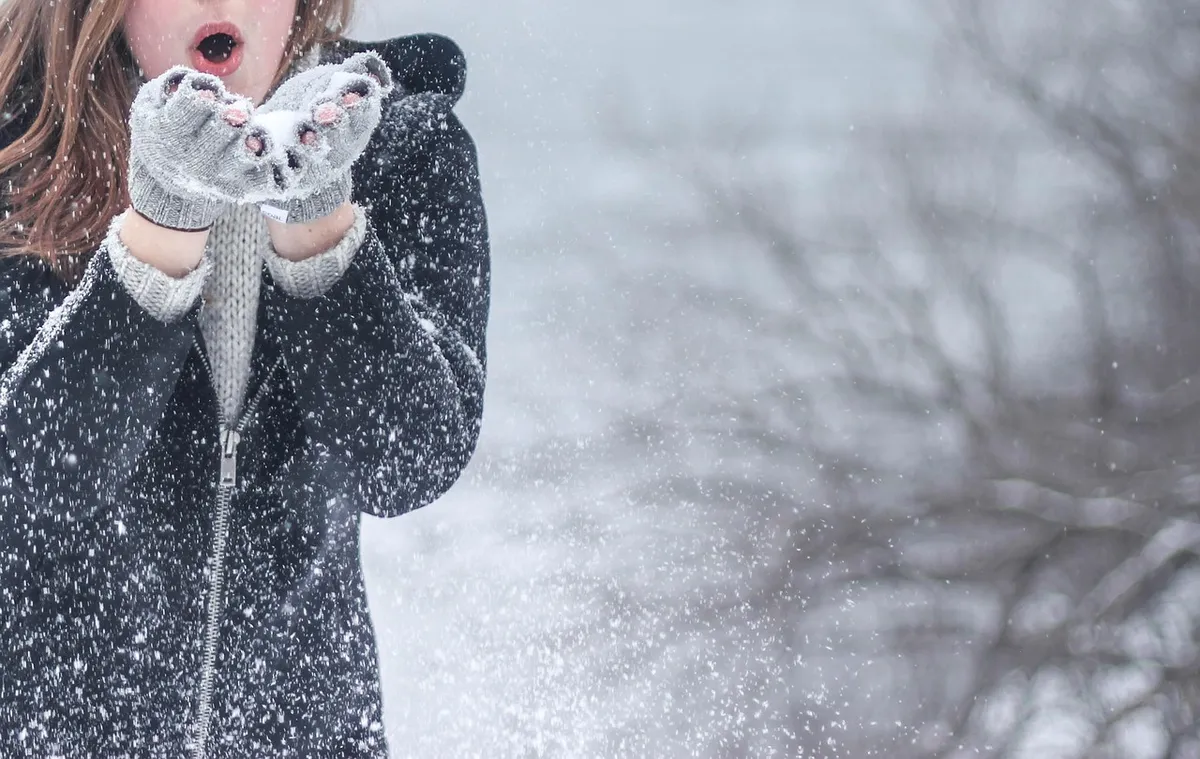
When the temperature drops, the ability to retain body heat becomes the priority. A properly made snow cave can be 0 °C (32 °F) or warmer inside, even when outside temperatures are −40 °C (−40 °F).
This natural insulation demonstrates how much temperature regulation can change based on the environment.
To maintain a comfortable cold sleep, you must manage the microclimate of your sleeping area. Using a sleeping pad with a high R-value provides a barrier between your body and the frozen ground.
I remember adjusting my sleeping pad thickness during a particularly frigid night to ensure the ground did not leech my warmth.
| Scenario | Potential Internal Temperature |
|---|---|
| Standard Outdoor Air | Variable (can reach -40 °C) |
| Properly Made Snow Cave | 0 °C (32 °F) or warmer |
How much water should I consume in the cold?
A hiker pauses on a snowy trail to refill a water bottle, mindful of the freezing air. Maintaining hydration is a critical component of winter camping survival guide strategies.
Hydration needs change significantly when moving through cold environments. Depending on conditions—which include weather, terrain, load, and the hiker's age and fitness—a backpacker may drink 2 to 8 litres (1/2 to 2 gallons), or more, per day.
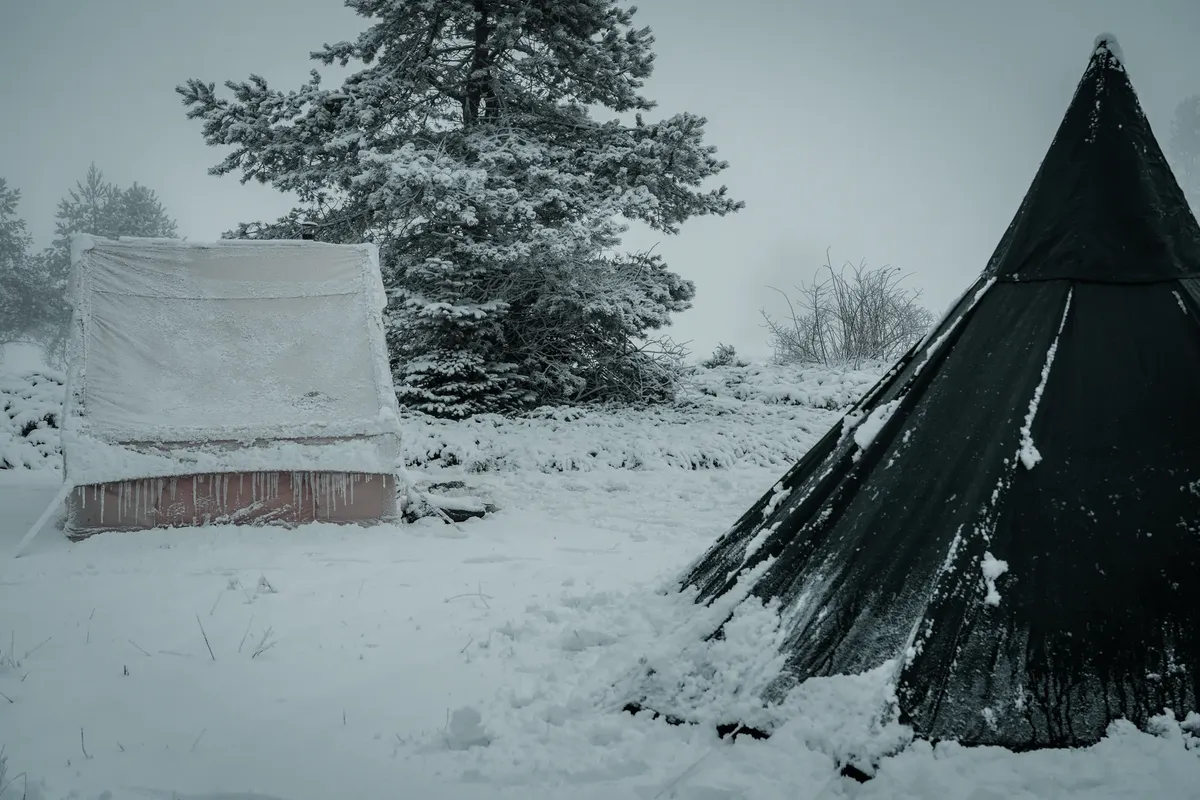
Dehydration can lead to fatigue and increased sensitivity to the cold.
Cold weather sleeping hacks often include ensuring you have enough water to prevent metabolic slowdown. If you are dehydrated, your body may struggle to generate heat. Always plan your water intake to match your activity levels and the specific environment you are traversing.
What is the best gear for cold camping?
A backpacker sits on a camp stool, organizing heavy layers and a thick sleeping bag. Selecting the best gear for cold camping means prioritizing insulation and moisture management.
The gear you carry must balance warmth with the physical ability to move. For example, some hikers consider "ultralight" to mean an initial base weight of less than 4.5 kg (10 lb). While lighter gear is easier to carry, it must still provide adequate thermal protection for the specific climate.
To ensure a cozy winter camping experience, focus on these three essential steps:
- Layering: Use moisture-wicking base layers to move sweat away from the skin. 2. Insulation: Use high-loft sleeping bags and pads to trap body heat. 3. Shelter: Select a tent or natural shelter that can withstand wind and heavy snow.
After setting up, always perform a final check of your gear to ensure no gaps in insulation exist.
How do I manage nutrition and energy?
A hiker sits by a small stove, melting snow for water and preparing a warm meal. Managing caloric intake is vital for maintaining body heat during long nights.
Energy is the fuel your body uses to generate heat. While food weight varies, some portions are equivalent to 0.68 to 1.13 kilograms (1.5 to 2.5 lb) of food. Eating enough calories is necessary to fuel the shivering response and metabolic heat production.
A well-planned diet helps prevent the exhaustion that makes you more vulnerable to the cold. Keep high-energy snacks accessible to maintain steady energy levels throughout the day and night.
The subject here is Winter camping sleep tips.
This part also covers How to stay warm outdoors.
Related
- SUV equipment transport guide: How to load gear in SUV
- Caddy Bag Tips How Deodorize Gear After Muddy Trip 2
How does gear selection relate to shelter effectiveness? 1. The gear you carry must balance warmth with the physical ability to move, which is important when utilizing a properly made snow cave. 2. While a properly made snow cave offers internal warmth, the insulation provided by your sleeping pad is crucial for preventing ground heat loss. 3. Selecting a shelter that can withstand wind and heavy snow complements the thermal protection offered by your layered clothing.
When considering the gear, remember that some hikers consider "ultralight" to mean an initial base weight of less than 4.5 kg (10 lb), a weight that must still accommodate necessary thermal layers.
This weight management is directly related to the energy needed to build and maintain a properly made snow cave.
Maintaining hydration is a critical component of winter camping survival guide strategies, and this need is heightened when relying on a shelter for temperature regulation.
If you are dehydrated, your body may struggle to generate heat, making the thermal benefits of a properly made snow cave less effective.
What cautions should I observe regarding weight and temperature? 1. Humans can carry weight under 50 pounds (23 kg) in a safe manner, a limit that dictates how much insulation gear you can bring. 2. The ability to retain body heat becomes the priority when the temperature drops, regardless of whether you are inside a properly made snow cave or exposed to the elements. 3. Dehydration can lead to fatigue and increased sensitivity to the cold, which compounds the challenges of managing heavy loads.
Understanding the specific challenges of the season, as noted by the National Park Service, involves recognizing that gear weight directly impacts your stamina for managing cold exposure.
The thermal regulation achieved inside a properly made snow cave contrasts sharply with the variable temperatures found in standard outdoor air.
Always plan your water intake to match your activity levels and the specific environment you are traversing, especially when the environment demands significant physical effort to maintain shelter integrity.





Comments 0