SUV camping gear weight: Why minimizing mass helps journey
"The weight of our gear often dictates the quality of our journey, yet the vehicle we choose sets the stage for every mile traveled."
Optimizing SUV camping gear weight requires a strategic balance between necessary utility and vehicle efficiency. This guide focuses on managing loads to maintain fuel economy and vehicle stability while ensuring comfort.
Key takeaways include prioritizing multi-functional items, understanding vehicle weight limits, and managing the environmental impact of heavy loads.
Why does SUV camping gear weight matter for efficiency?

A heavy vehicle sits lower on its suspension, altering handling and increasing the energy required for movement. I remember pulling onto a steep mountain pass with a fully loaded trunk, feeling the engine strain under the sheer mass of camping supplies.
According to the International Energy Agency, from 2010 SUVs have been the second-largest contributor to the increase in global CO2 emissions, second only to the power sector.
Carrying excessive weight exacerbates this issue by forcing the engine to work harder, which directly impacts fuel consumption and emission levels.
Managing the total weight helps preserve the vehicle's mechanical integrity and ensures that the suspension remains responsive to road conditions. Minimizing unnecessary mass is the first step in effective SUV camping gear weight management.
Reducing weight directly improves fuel economy and lessens the strain on your engine and suspension during long drives.
How can I optimize my vehicle load?
Organizing the cargo area involves placing the heaviest items low and centered to maintain a stable center of gravity. I watched a friend struggle to navigate a winding road because they had stacked heavy coolers on top of light sleeping bags, making the car feel top-heavy.
To optimize the load, follow these three steps: 1. Place heavy items, such as water containers or large coolers, on the floor of the vehicle directly over the axles. 2. Secure lighter, bulky items like sleeping bags or tents on top of the heavier base. 3.
Perform a final check to ensure no items are sliding or creating an unbalanced weight distribution during turns.
A well-organized cargo area prevents shifting, which can cause sudden weight transfers that affect steering. This approach to lightweight SUV camping ensures the vehicle remains predictable during transit.
- Place the heaviest items low in the vehicle to maintain a stable center of gravity.
- Distribute weight evenly between the left and right sides to prevent handling issues.
- Secure all gear tightly to prevent shifting while driving on uneven terrain.
Why should I try a minimalist SUV trip? Choosing a minimalist approach allows for greater fuel range and easier maneuvering in tight camping spots. I once spent an hour trying to find a lost stove buried under a mountain of gear, realizing that less was actually more.
A minimalist SUV trip focuses on high-quality, multi-purpose equipment that serves several roles. By reducing the number of single-use items, you can significantly lower the total weight being carried.
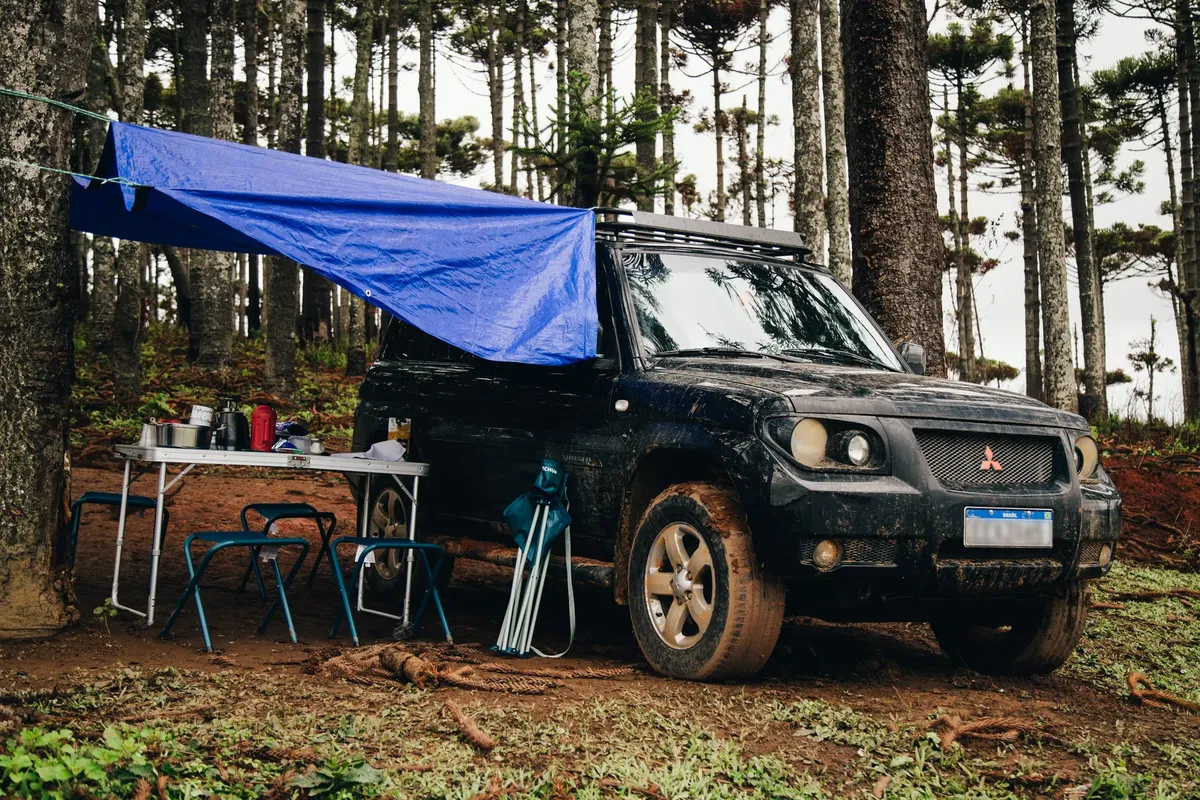
This strategy allows you to enjoy the freedom of the road without the constant worry of overtaxing your engine. An optimized load makes every journey more efficient and less stressful for the driver.
A minimalist approach allows for greater mobility, easier setup at campsites, and reduced fuel costs.
How does vehicle type affect my packing strategy?
Different vehicle categories offer varying levels of space and weight-bearing capacity, which dictates how you should pack. I noticed that driving a mid-size crossover felt much different when fully loaded compared to a larger, heavier SUV.
In the United States, it is noted that in 2006, crossover models comprised more than 50% of the overall SUV market. Because crossovers often sit on car-based platforms, they may have different weight-handling characteristics than traditional body-on-frame SUVs.
Understanding these differences is essential for a successful load strategy. You should always check your specific vehicle's payload capacity before planning an intensive expedition.
Larger SUVs offer more vertical space and cargo volume, while smaller models require more strategic organization to fit essential gear.
Can my compact crossover handle camping? Compact crossovers are increasingly popular for those who want a balance of efficiency and utility. I found that using a smaller vehicle required much more discipline in selecting only the most essential gear.
For those looking at market trends, nearly 1 in every 4 cars (24.2%) sold in the United States in 2019 was a compact crossover. While these vehicles offer versatility, they require a more disciplined approach to weight management to avoid exceeding payload limits.
| Vehicle Category | Market Context |
|---|---|
| Compact Crossover | 24.2% of 2019 US sales |
| Mid-size Crossover | Less than 5% cost difference from mid-size cars |
I always double-check the manual to ensure my gear weight doesn't exceed the manufacturer's limits.
Yes, compact crossovers are suitable for camping as long as you prioritize multi-functional gear and avoid overpacking.
What are the limitations of light camping?
Relying on minimal gear can sometimes lead to compromises in comfort or weather protection. I once sat in a chilly tent because I prioritized weight over a heavy-duty sleeping pad, learning that there is a limit to how much you can strip away.
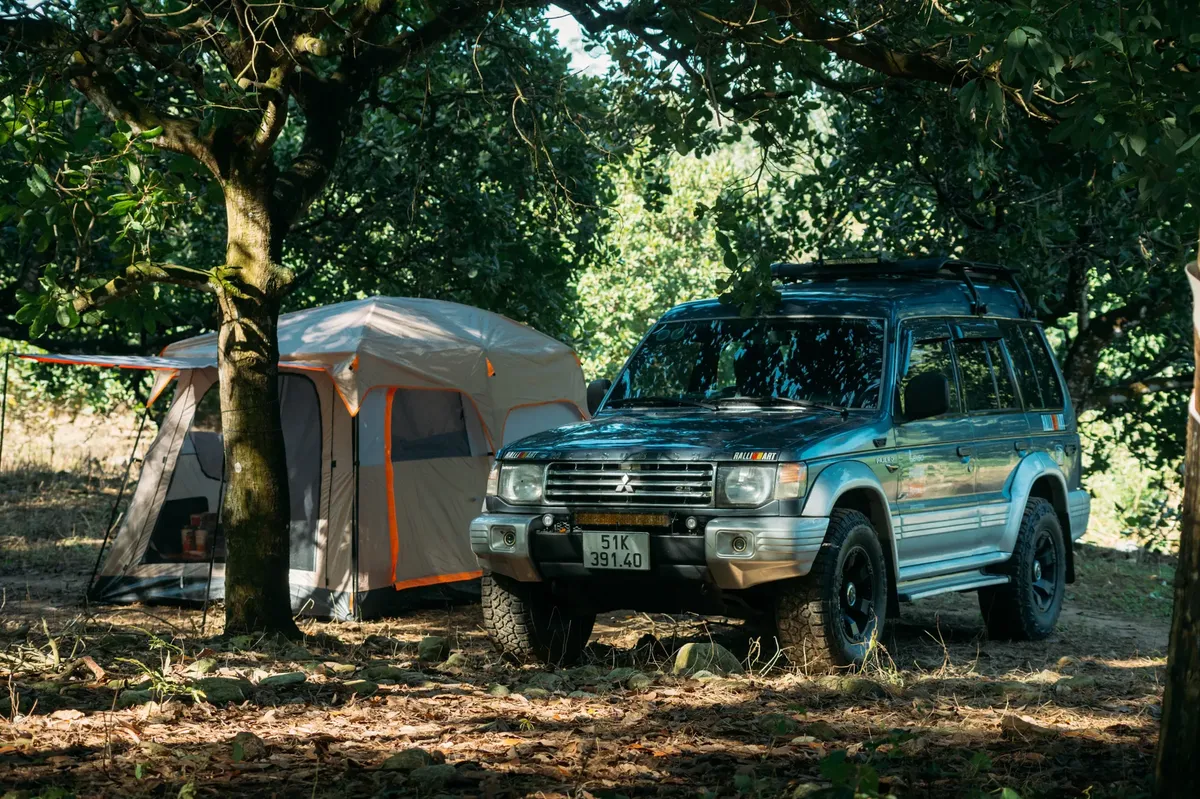
A limitation of weight optimization is that it may not account for extreme weather conditions where heavier, more insulated gear becomes necessary. If you are traveling in harsh environments, the necessity for warmth and protection might override the desire for a lightweight setup.
The balance between weight and comfort is subjective and depends entirely on the environment. Always prepare for the worst-case scenario when planning your load.
Light camping may limit your ability to cook elaborate meals or stay comfortable in extreme weather conditions.
The same subject is also called optimize car camping load.
The same subject is also called light pack SUV camping.
This part also covers best light camping gear.
This part also covers SUV car camping packing tips.
This part also covers reduce camping weight.
best light camping gear
Related
- SUV car camping gear guide: Tips for vehicle comfort
- SUV camping beginner guide: Tips for vehicle adventures
What precautions should I take when loading heavy gear?
Proper securing of the gear prevents movement, which is a critical safety measure during travel. If items shift, the vehicle's handling characteristics change unpredictably, potentially leading to dangerous situations.
Always use appropriate tie-downs for heavy gear to keep it firmly in place throughout the journey.
When considering the weight of your gear, remember that the stability of the vehicle is directly tied to how the load is distributed. Improper weight placement can cause excessive stress on the vehicle's frame and suspension components.
Checking the vehicle's load capacity before packing ensures that the weight of your gear remains within safe operating parameters. This careful planning mitigates risks associated with overloading the vehicle for camping.







Comments 0