Winter camping gear protection: Why prepare for elements
"The cold can be a silent thief, turning soft fabric into rigid ice and reliable tools into useless weights."
Winter camping gear protection requires proactive management of moisture and temperature to prevent equipment failure. This guide covers essential preparation for freezing environments, identifies risks of wet cold conditions, and provides steps to maintain gear integrity.
Key takeaways include managing moisture to prevent ice buildup, understanding temperature-driven risks, and preparing for varying snow accumulation rates.
How to prepare for winter camping gear protection?

A camper pulls a heavy, frozen tent fly from a backpack, feeling the stiff fabric resist folding. Preparation begins long before the first snowflake falls to ensure every piece of equipment can withstand the elements.
Effective winter camping gear protection starts with selecting gear designed for sub-freezing environments. When temperatures drop, the physical properties of materials change, often becoming brittle or losing insulating capabilities.
Preparing for these changes involves testing all equipment in cold conditions before heading into the field.
This readiness implies having the right layers and tools to handle shifting weather patterns.
- Inspect all insulation layers for tears or thinning. 2. Test waterproofing on tents and shells. 3. Organize specialized cold-weather accessories for easy access.
What are the risks of wet cold?
A camper brushes a layer of slush off a sleeping pad, noticing how the dampness feels heavy against their skin. Wet cold conditions present a unique challenge to equipment and person alike.
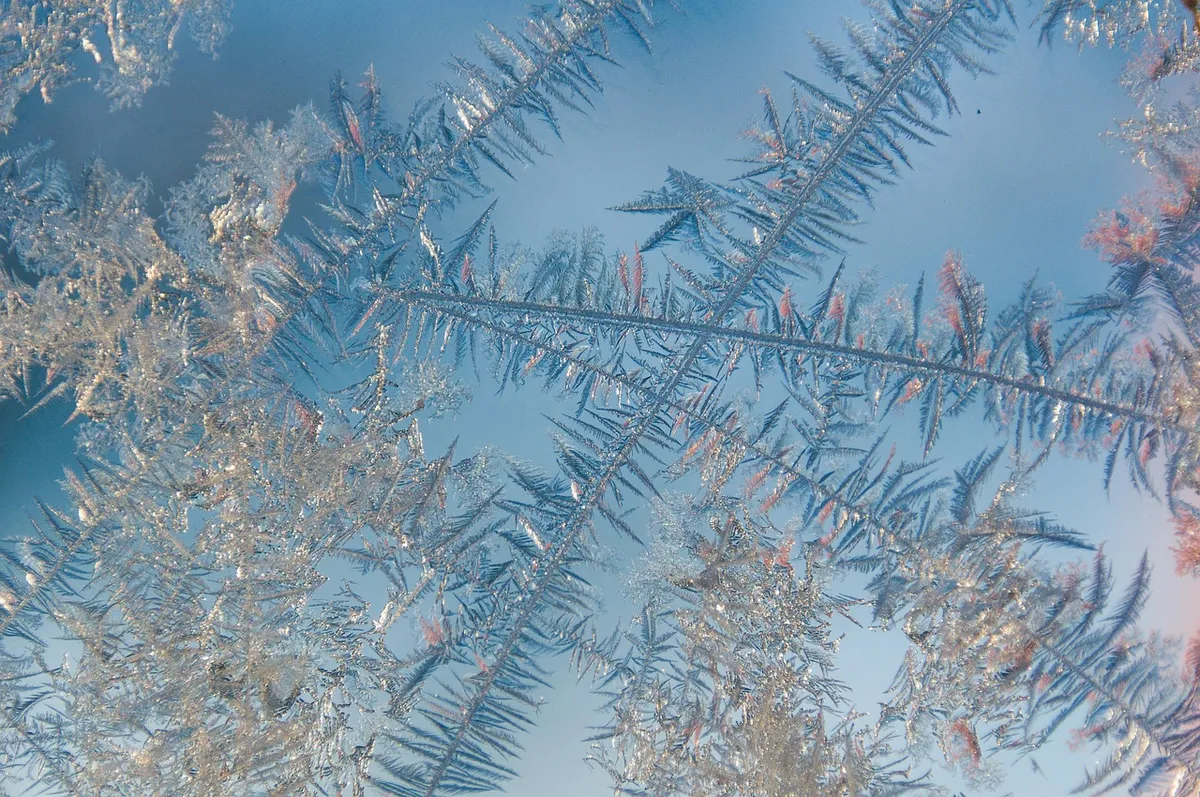
Wet cold is defined as temperatures ranging from 39 to 20 °F (4 to −7 °C). In these conditions, moisture can easily penetrate gear, leading to rapid heat loss or freezing. Protecting gear from ice becomes a constant battle when humidity is high or snow melts upon contact with warmer surfaces.
Managing ice water gear defense requires keeping moisture away from insulating layers. If water enters a sleeping bag or jacket, it can lead to dangerous temperature drops.
In this sequence, the second risk is the most critical.
How to manage ice water gear defense?
A camper carefully shakes excess snow off a tarp, ensuring no heavy clumps remain to weigh down the structure. Managing moisture is the most critical aspect of maintaining gear functionality in the cold.
To successfully manage ice water gear defense, follow these steps:
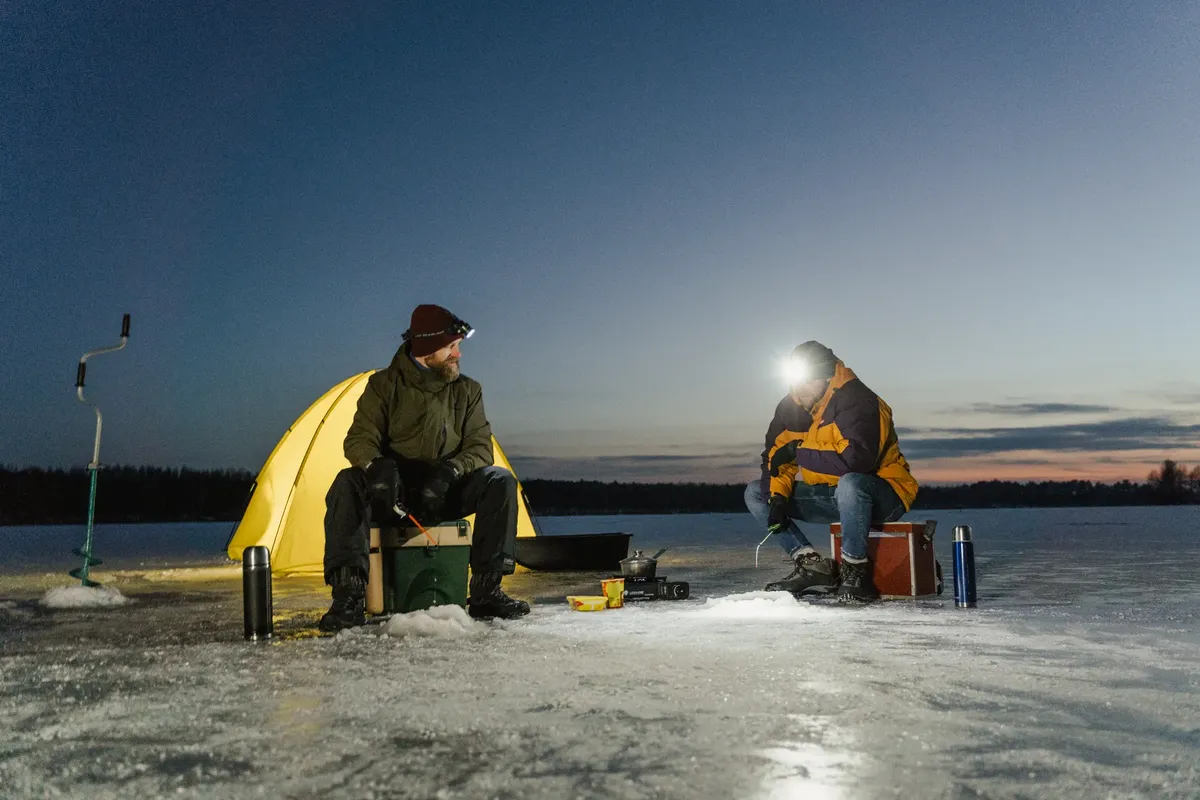
- Shake off heavy snow or ice accumulation from tents and tarps before packing them away. 2. Store moisture-wicking layers in waterproof dry bags to prevent them from absorbing ambient humidity. 3. Check all zippers and mechanical parts to ensure they are free of ice buildup that could cause jamming.
I remember checking my zippers every morning to ensure the frozen tracks didn't snap. Cold weather equipment care depends on these small, repetitive actions to prevent total equipment failure.
How does snow accumulation affect gear?
A camper looks up at a heavy gray sky, watching the first thick flakes begin to fall onto the campsite. Snow depth and accumulation rates significantly impact how much gear you need to carry and how much you must protect.
Snowfall rates vary, with accumulation ranging from a trace to over three inches per hour. Heavy accumulation can cause structural damage to tents or bury gear under significant weight. Understanding these rates helps in choosing the right shelter and stakes for the environment.
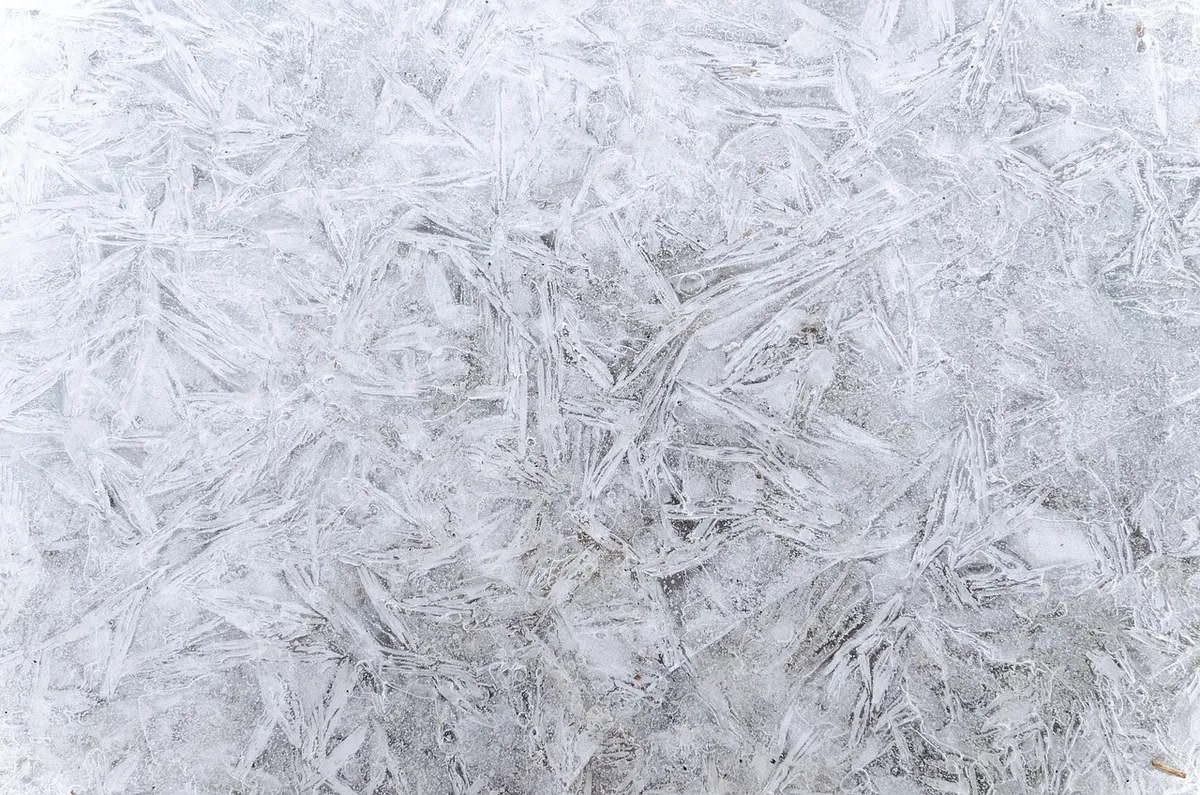
Winter camping gear safety involves selecting shelters that can withstand the weight of significant snow. For example, when snow depths exceed 60 centimeters (24 inches), the load on a tent becomes a primary concern.
What are the temperature-driven gear challenges?
A camper adjusts a heater, watching the thermometer dip further into the negative numbers. As temperatures drop through different categories, the level of protection required changes.
| Temperature Category | Temperature Range |
|---|---|
| Intense cold | −5 to −25 °F (−21 to −32 °C) |
| Extreme cold | −25 to −40 °F (−32 to −40 °C) |
The transition from intense to extreme cold requires much more robust gear. Different temperature ranges dictate the specific materials and thickness of insulation needed to keep users safe.
How to handle extreme cold?
A camper pulls on a thick heavy coat, feeling the biting wind through the fabric. When temperatures reach hazardous levels, standard gear may no longer be sufficient.
In extremely cold environments, specialized equipment is necessary. For instance, certain tactical systems require specific kits to operate between 32 and −25 °F (0 and −32 °C). Using gear outside its tested range can lead to sudden failure.
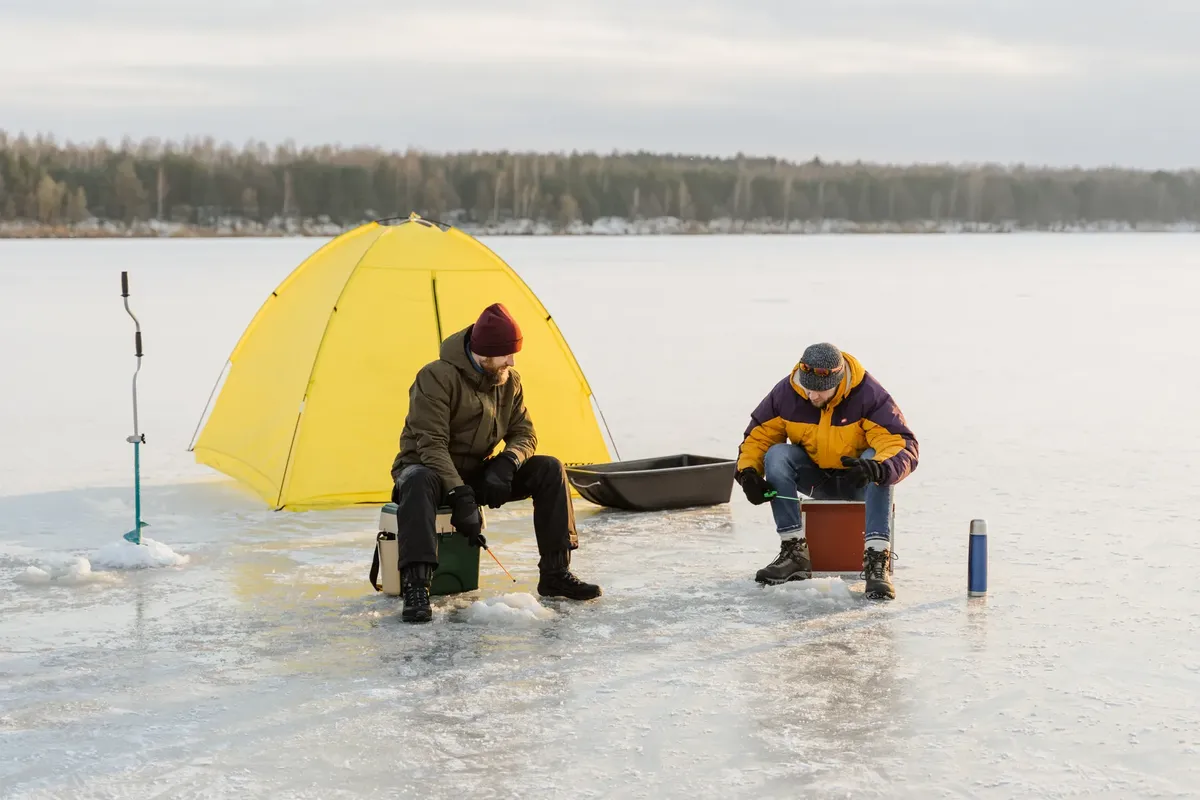
A limitation of these methods is that they are primarily designed for specific temperature ranges and may not be sufficient in hazardous cold below −40 °F.
- How to prepare for winter camping gear protection?
- What are the risks of wet cold?
- How to manage ice water gear defense?
The same subject is also called Protect gear from ice.
This part also covers How to keep gear from freezing.
This part also covers Preventing water damage camping.
This part also covers Best gear storage in winter.
How to keep gear from freezing
Related
- Campsite safety and manners tips for wild travel
- Quick campfire cooking recipes guide for easy fire pit meals
When does the cold become a serious threat? The cold presents a serious threat when conditions transition into extreme cold, demanding specialized gear. Extreme cold is characterized by temperatures falling between −25 to −40 °F (−32 to −40 °C). This shift necessitates a significant upgrade in protection compared to intense cold scenarios. The cold can be a silent thief, rapidly diminishing the effectiveness of standard equipment.
How should one monitor environmental changes? Monitoring environmental changes involves observing both temperature fluctuations and snow accumulation. One must check the thermometer to track the descent into colder categories, which dictates gear requirements. Furthermore, watching the sky allows anticipation of heavy snowfall rates that could stress shelter integrity.
When humidity is high, the risk associated with wet cold increases, making moisture management paramount. This constant battle against dampness requires diligent attention to gear storage and use.
The silent nature of the cold means that subtle material changes, like fabric becoming rigid ice, can lead to unexpected equipment failure if not anticipated.




Comments 0