Lighten car camping gear: Why smart packing helps
"The goal is not to carry everything, but to carry exactly what you need to stay safe and comfortable."
Lighten car camping gear by focusing on essentialism and high-performance materials to ensure your vehicle remains efficient and easy to manage.
This guide covers how to cut gear weight through strategic selection, how to reduce camping gear weight by prioritizing multi-use items, and how to achieve a minimalist car camping load.
You will learn about weight standards, the importance of choosing specialized gear over heavy multi-tools, and the reality of how physical size affects load requirements.
How to lighten car camping gear through selection?
At dawn beside the idling truck, I swap a heavy iron skillet for a slim titanium pan to lighten my load before the drive.
A traveler stands by an open trunk, weighing a heavy multi-tool in one hand and a small pocket knife in the other. Choosing the right tools is the first step in a successful weight reduction strategy.
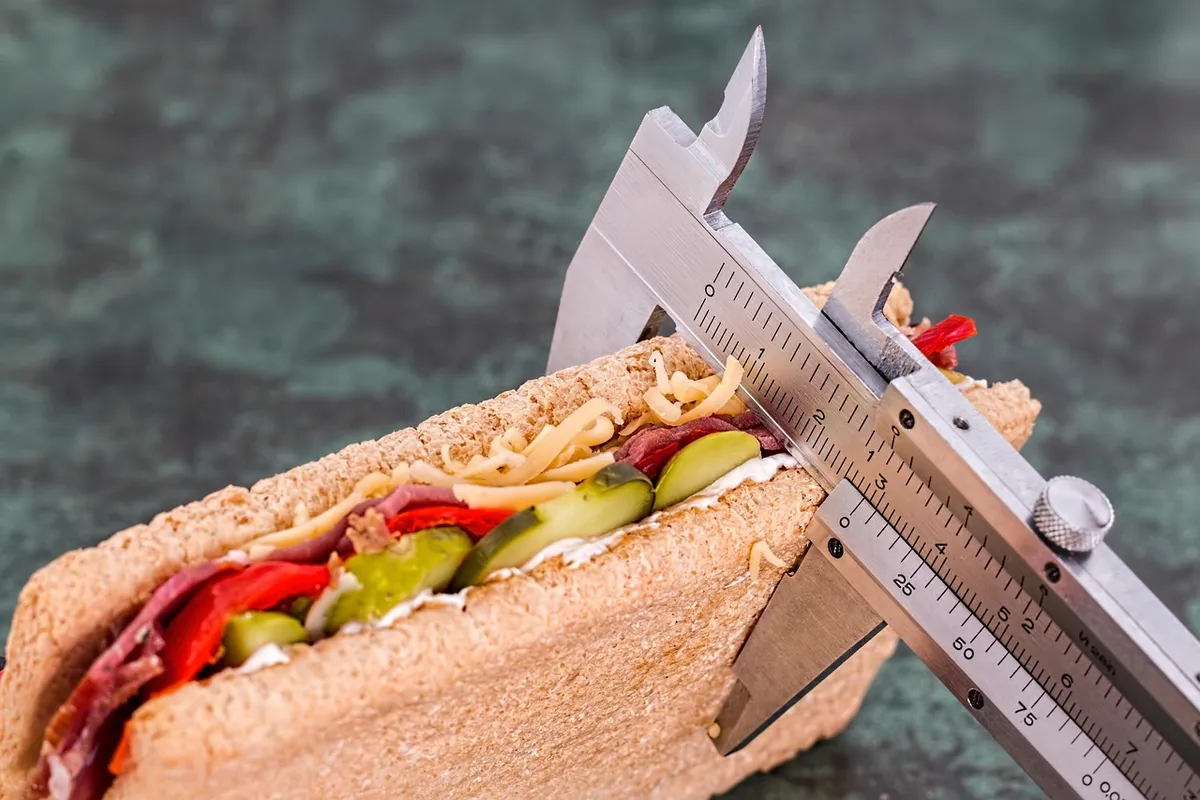
When you aim to lighten car camping gear, you must evaluate the necessity of every single item in your kit. Many campers carry heavy multi-tools when a simple razor blade or a light 28 g (1 oz) small pocket knife would suffice for most tasks.
By swapping heavy, bulky tools for specialized, lightweight alternatives, you can significantly decrease the total load.
In the United States, the terms "light" and "ultralight" often refer to backpackers who carry gear with a base weight below 6.8 and 4.5 kg (15 and 10 lb) respectively. While these definitions are often applied to hikers, the principle of weight management applies equally to car camping.

Reducing your base weight helps with vehicle fuel efficiency and ease of movement.
Prioritize multi-functional items that serve several purposes to eliminate redundant pieces. Opt for high-quality materials that offer a superior strength-to-weight ratio, such as aluminum or carbon fiber components. Focus on choosing gear that is sized appropriately for your needs rather than over-engineered for extreme conditions you will not encounter.
How to reduce camping gear weight with smart packing?
A person carefully folds a sleeping bag and places it into a compact storage bin, checking the volume against the available space. Efficient packing requires a plan to manage the volume and mass of your supplies.
To effectively reduce camping gear weight, consider the weight of your daily necessities such as water and food.

Water can be a significant contributor to pack weight because moderate activity in a moderate climate requires 2 L (2.1 US qt) of drinking water per day, which has a weight of 2 kg (4.4 lb). Planning your water consumption and storage can prevent carrying unnecessary excess.
Additionally, food weight is a constant variable in any camping trip. A hiker requires approximately 2 kg (4.4 lb) of food per day depending upon the type of food carried. Managing these daily consumables allows you to avoid overpacking items that will be consumed quickly.
| Item Category | Typical Daily Weight |
|---|---|
| Drinking Water | 2 kg (4.4 lb) |
| Food Supplies | 2 kg (4.4 lb) |
I found that comparing these two essential weight factors helped me plan my vehicle's load more accurately.
- Group similar items into modular packing cubes to consolidate volume.
- Place heavier items in the center of the vehicle to maintain a stable center of gravity.
- Utilize soft-sided storage bags to fill gaps and maximize space efficiency.
According to Outdoor Foundation, the 2011 record includes 4.2 million.
How to achieve a minimalist car camping load?
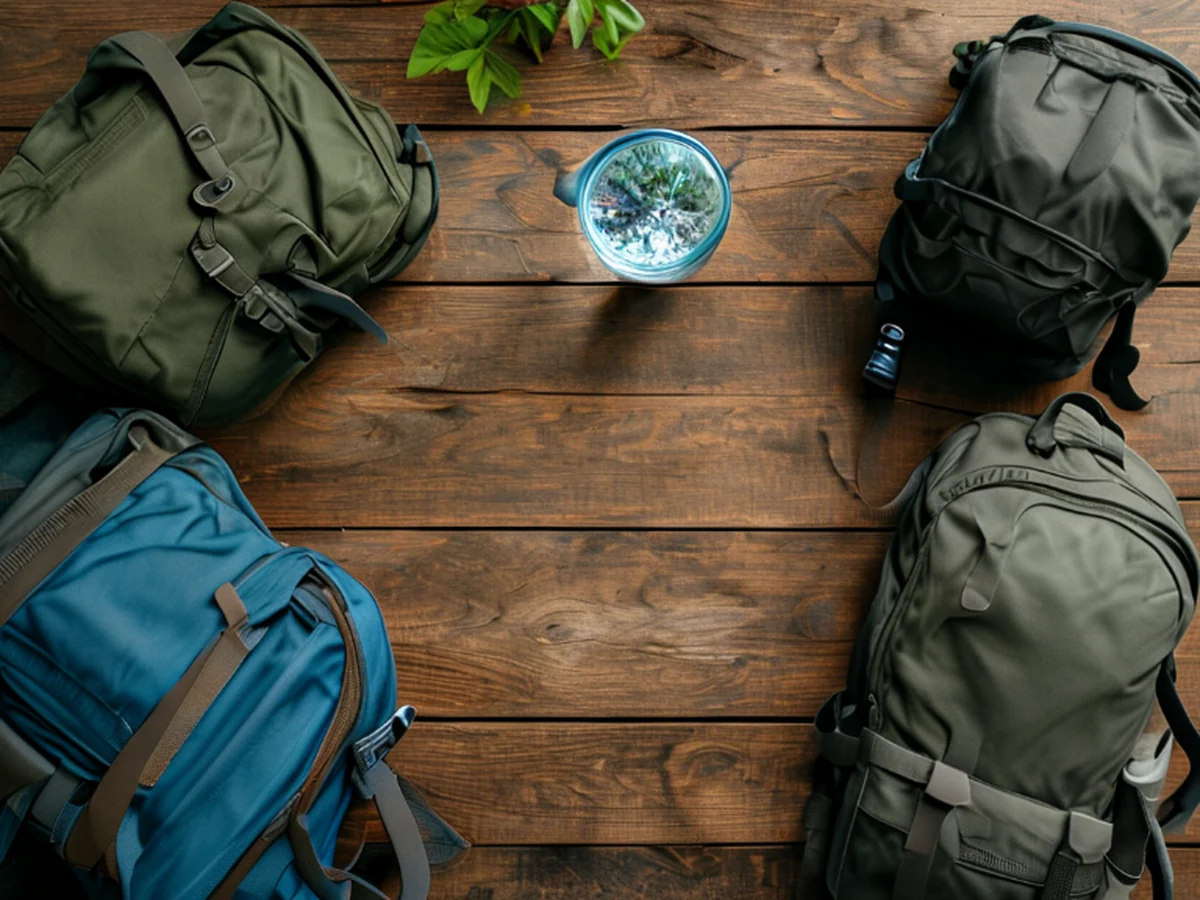
A camper looks at a large, heavy internal-frame backpack and compares it to a much smaller, lighter frameless sack. Understanding the difference between heavy-duty gear and streamlined alternatives is key to a minimalist setup.
To create a minimalist car camping load, you should understand the trade-offs between comfort and weight. A large internal-frame pack will usually weigh more than 1 kg (2.2 lb) due to features like hip belts and compression straps.
While these provide support, they add significant mass to your vehicle.
An ultralight frameless pack can weigh as little as 200 to 400 g (7.1 to 14.1 oz) and can consist of not much more than a sack with shoulder straps. This type of gear is ideal for those looking to minimize their footprint.
- Audit your current inventory to identify heavy, single-use items. 2. Swap heavy tools for lightweight alternatives like a 28 g (1 oz) pocket knife. 3. Verify that your new gear weight meets your personal mobility needs.
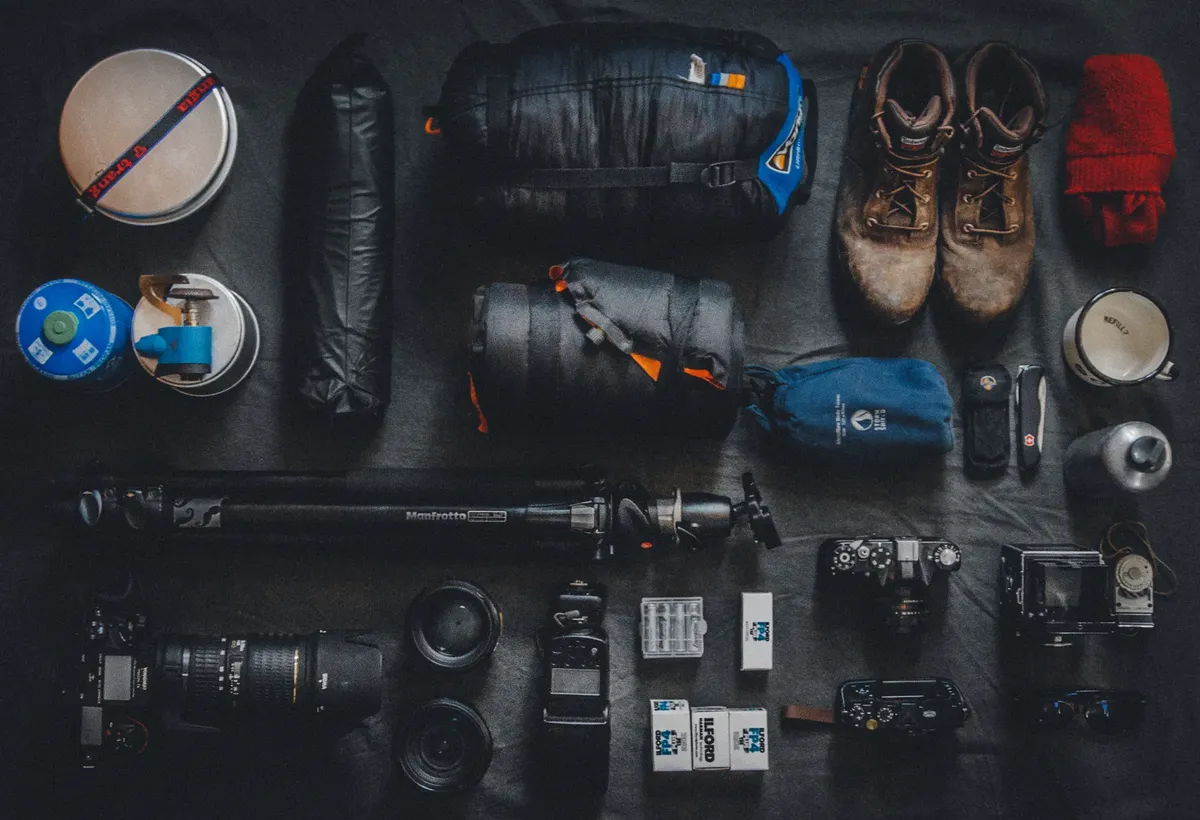
A limitation of seeking an ultralight setup is that larger hikers may need to carry clothes, shelters, sleep systems and backpacks that weigh up to 50% more.
Evaluate your essential needs versus your wants to strip away non-essential clutter. Stick to a core kit of high-utility items and avoid bringing specialized gadgets that only serve a single, infrequent purpose. A minimalist approach relies on versatility and the discipline to leave unnecessary items at home.
Wikipedia: Camping Based on the retained excerpt mentioning Outdoor Foundation: and the Outdoor Foundation, camping in the United States is gaining popularity after a fall of 4.2 million participants from 2011 to 2012.
Related
- Winter camping sleeping bag guide: Tips for cold weather
- Layering Guide: 4.2 million Winter camping layering for heat
When should weight reduction become a primary concern? Weight reduction becomes a primary concern when the sheer volume of gear starts to impede the ease of managing the vehicle. The goal is not to carry everything, but to carry exactly what you need to stay safe and comfortable, which necessitates careful load management. If the physical size of the gear demands excessive space, the effort to cut weight becomes more pressing.
When comparing gear choices, one must consider how the physical size of an item affects the overall load requirements. A bulky item, even if relatively light, consumes valuable space in the vehicle. Therefore, prioritizing compact designs aids in achieving a minimalist car camping load.
Choosing specialized gear over heavy multi-tools illustrates this principle clearly. A lightweight alternative performs the necessary function while occupying less space than a heavy, complex tool. This strategic selection supports the overall goal of efficient carrying.
Weight reduction becomes critical when you need to maximize fuel efficiency or when you must manually move gear from the vehicle to a remote campsite. It is also vital when space constraints in a small vehicle limit your ability to carry necessary safety equipment.
What are the practical implications of ultralight gear? An ultralight frameless pack offers a significant weight saving compared to a traditional internal-frame pack. While the frameless pack weighs minimally, the limitations of this setup must be acknowledged. Larger hikers might find that the reduced weight necessitates carrying additional items, such as clothes or shelters, which can increase the total load by a substantial margin.
The comparison between these pack types shows a direct trade-off between comfort and weight. The support features of a large internal-frame pack, like hip belts, contribute to its greater mass.
Conversely, the simplicity of the ultralight sack relies on the camper managing their needs within a smaller footprint.
To successfully achieve a minimalist car camping load, one must verify that the reduced gear weight still supports personal mobility needs. This verification step ensures that the pursuit of lightness does not compromise the safety or comfort intended by the initial goal.
While ultralight gear makes loading and unloading much easier, it often comes with a higher price tag and may sacrifice some durability compared to heavier alternatives. You must balance the convenience of lighter weight against the need for ruggedness and comfort during long trips.







Comments 0