Winter camping gear guide: Best gear for 21.4 extreme cold
"Prepare for the cold, not the heat, to ensure your adventure remains safe and enjoyable."
Choosing the right gear is the difference between a successful trip and a dangerous situation. This guide covers the essential principles of winter camping gear selection, focusing on warmth, safety, and preparedness.
You will learn how to prioritize insulation, understand the importance of layering, and prepare for extreme temperature shifts.
How to prepare for a winter camping gear guide?
A heavy frost settles over the campsite as the sun dips below the horizon. You reach for your thermal layers, knowing that the right equipment is the only barrier against the biting wind. According to the National Park Service, you should be winter ready for your adventure.
Selecting the right equipment requires understanding the environment you are entering. A successful winter camping gear guide begins with prioritizing thermal regulation and wind protection. You must ensure that every piece of equipment serves a specific purpose in maintaining your body temperature.
The primary goal of winter equipment is to manage moisture and heat. If you choose gear that is too heavy or lacks breathability, you risk sweating, which can lead to dangerous cooling once you stop moving. Optimal gear selection balances weight with extreme insulation capabilities.
Effective preparation involves testing your gear in controlled environments before heading into the wilderness. You should check your sleeping bags, stoves, and tent setups to ensure they can handle the specific climate of your destination.
What is the best cold weather gear strategy?
The wind howls through the trees, shaking the tent poles as you tighten the guy lines. You check the thermometer, noting the plummeting temperature, and adjust your sleeping pad.
Developing a strategy for the best cold weather gear involves layering. You need a base layer to wick moisture, a middle layer to trap heat, and an outer shell to block the wind. This modular approach allows you to adjust your warmth levels as you move between activity and rest.
Reliable gear must be able to withstand freezing temperatures without failure. For example, certain plastics can become brittle in extreme cold, so choosing durable materials is essential.
Your strategy should always prioritize survival-ready items like reliable heating sources and waterproof shells.
Avoid the mistake of relying on a single thick garment. Instead, use multiple layers to create air pockets, which provide superior insulation. This method is much more effective for temperature regulation than a single heavy coat.
According to Outdoor Foundation, the 2011 record includes 4.2 million.
How to manage winter camping equipment?
At midnight in the dark tent, you carefully organize your fuel canisters to stay ready for the biting winter air.
You sit by the small stove, carefully melting snow for water while the landscape turns white. Managing your supplies requires careful planning to ensure you do not run out of fuel or food in the cold.
Properly managing winter camping equipment means being prepared for much harsher conditions than summer. This involves selecting stoves that work well in low temperatures and sleeping systems that can handle sub-zero nights.
| Equipment Type | Primary Function | Key Consideration |
|---|---|---|
| Insulation Layers | Heat Retention | Moisture Wicking |
| Shelter Systems | Wind/Snow Protection | Structural Integrity |
I remember checking my stove fuel levels twice before leaving the house, knowing that a frozen valve could ruin a trip. This meticulousness is necessary when managing equipment in the field.
What are the steps for choosing cold camping gear?
The morning light reveals a thick layer of frost on the tent flap. You carefully peel back the layers, preparing to pack up your gear for the day ahead.
To find the right fit for your needs, follow these three steps:
- Assess the climate: Research the specific temperature lows and highs of your destination to choose the appropriate insulation ratings. s2. Test the gear: Use your sleeping bags and tents in your backyard or a local park to see how they perform in cold conditions. 3. Verify durability: Ensure that all mechanical parts, such as zippers and stove valves, function smoothly in freezing environments.
Always perform a final check of your gear before departing. Ensure all essential items are accounted for and that your layering system is complete.
How to achieve a comfortable winter camping setup?
You crawl into your sleeping bag, feeling the warmth of the insulated pad beneath you. The silence of the winter woods surrounds the tent, providing a sense of peace.
Creating a comfortable winter camping setup requires a focus on sleep hygiene and moisture control. A high-quality sleeping pad with a high R-value is essential to prevent the ground from leaching heat from your body.
Your setup should also include a way to manage condensation. In cold environments, moisture from your breath can freeze inside the tent, so proper ventilation is a key part of a comfortable setup.
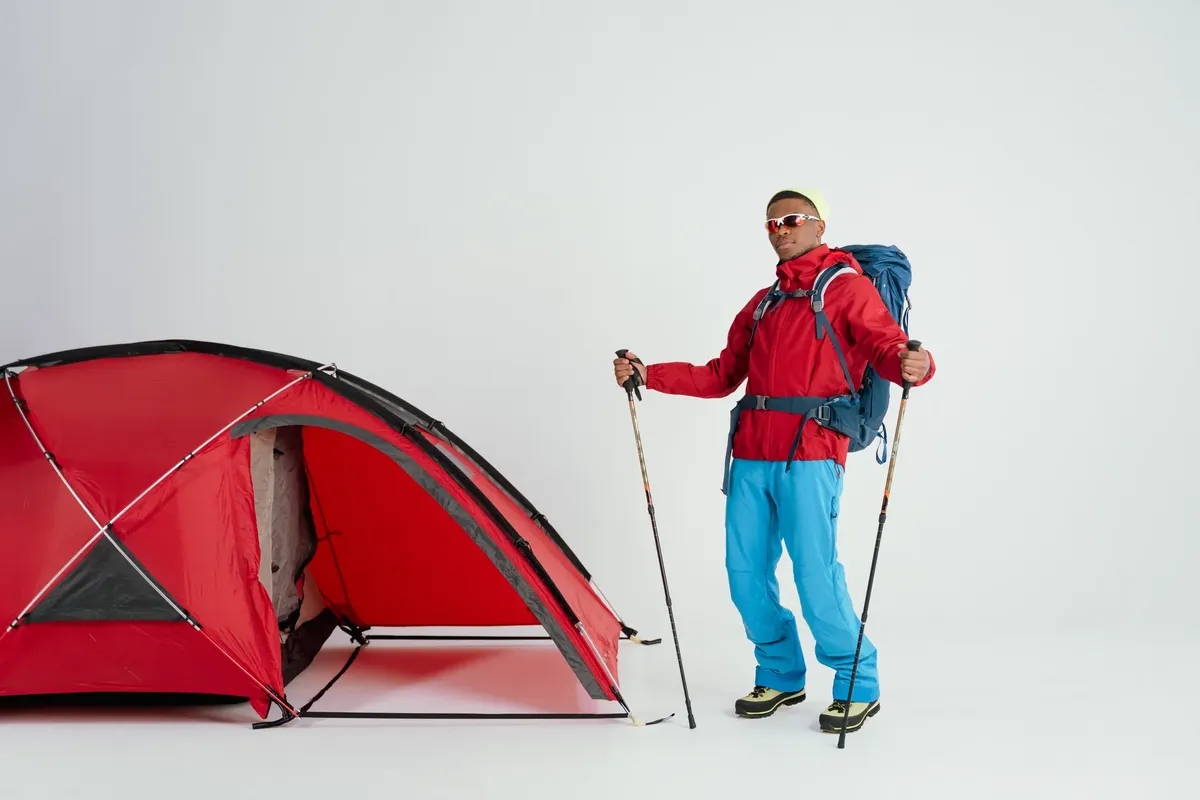
If your destination experiences extreme cold, such as January temperatures in certain regions where lows can reach −21.4 °C (−6.5 °F), your setup must be robust enough to handle those specific conditions.
Wikipedia: Camping Based on the retained excerpt mentioning Outdoor Foundation: and the Outdoor Foundation, camping in the United States is gaining popularity after a fall of 4.2 million participants from 2011 to 2012.
- How to prepare for a winter camping gear guide?
- What is the best cold weather gear strategy?
- How to manage winter camping equipment?
The same subject is also called Optimal winter camping gear.
This part also covers Essential winter camping gear list.
Related
- Camping gear review guide: Why extreme conditions test gear
- Camping fridge usage tips: 4.2 million Guide to food storage
How does proper layering help prepare for cold? Layering assists in preparing for cold by allowing the wearer to modulate their insulation as activity levels fluctuate. A base layer manages moisture, preventing chilling, while a middle layer traps the heat generated by the body. The outer shell provides a necessary barrier against the wind, which is a significant factor in cold weather exposure.
This modular approach enables adjustments when transitioning from periods of exertion to periods of rest during your cold adventure. By managing these thermal shifts, the gear helps maintain a stable core temperature. This careful approach is key when you prepare for the cold.
What cautions should guide gear selection when preparing for cold? One caution involves avoiding gear that lacks breathability, as this risks trapping sweat and subsequently causing dangerous cooling when movement ceases. Another caution is that certain materials can become brittle when exposed to extreme cold, necessitating the selection of durable items. Always remember to test your gear in controlled settings before undertaking your cold trip.
Proper preparation requires acknowledging that the effectiveness of winter gear is directly tied to the specific environmental conditions encountered. Therefore, understanding the temperature ranges of your destination is a crucial step when you prepare for the cold.





Comments 0