Winter camping gear cleaning tips for cold weather gear wash
"The cold air bites at the seams of your tent, and the frost settles deeply into the fibers of your sleeping bag, reminding you that gear maintenance is as vital as the adventure itself."
Winter camping gear cleaning is a fundamental practice to prevent the degradation of specialized equipment caused by extreme temperatures and moisture. By following specific maintenance steps, you can ensure your outdoor tools remain functional and durable for years to come.
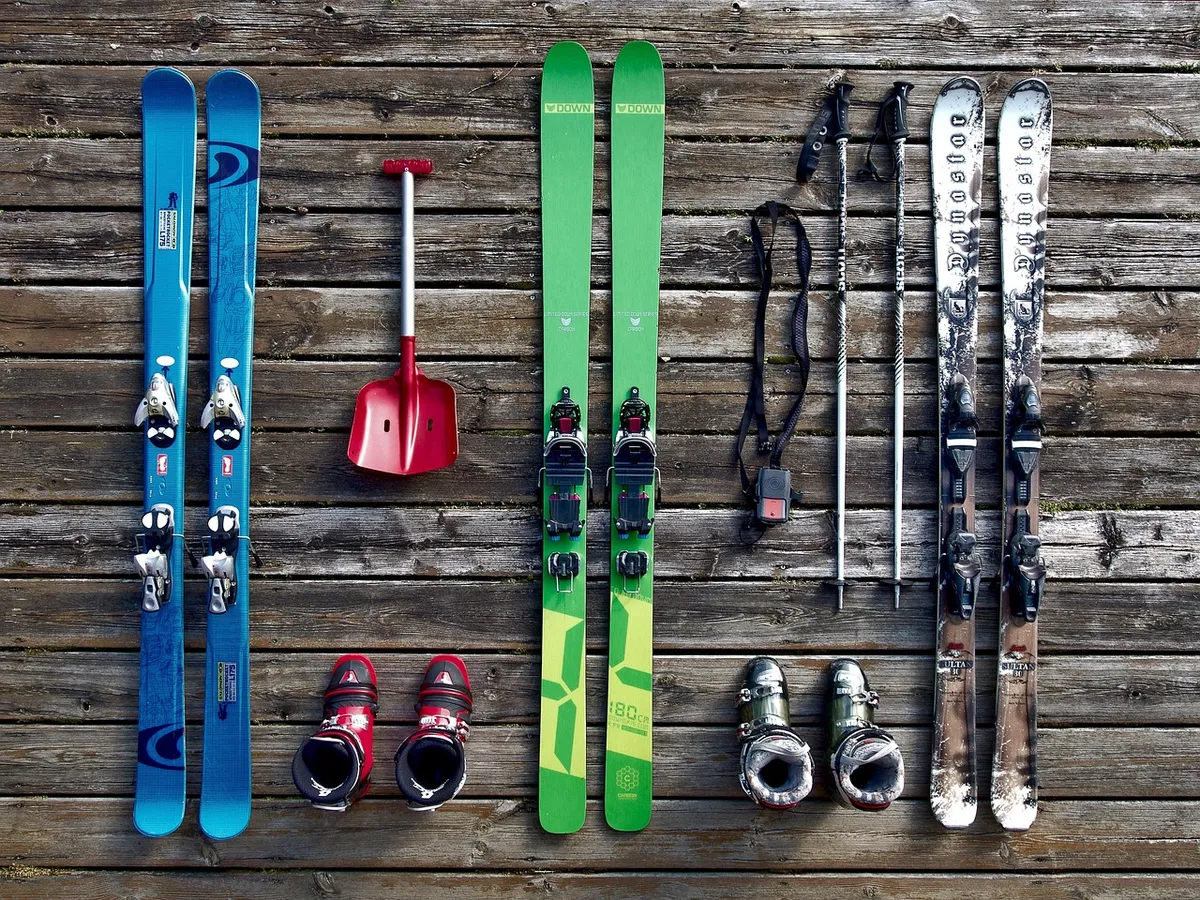
This guide covers essential care methods, key takeaways for longevity, and the limitations of cleaning in freezing conditions.
Why is winter camping gear cleaning essential?
The camper heaves a heavy, frozen tent from the trunk at dawn, feeling the icy grit scrape against their palms as they prepare for the winter.
A camper pulls a heavy, frozen tent from a frosty vehicle trunk, realizing that dirt and ice can compromise structural integrity. Proper maintenance prevents the buildup of salt, minerals, and organic matter that can weaken fabric coatings or zippers during sub-zero expeditions.
Maintaining gear cleanliness is not just about aesthetics; it is about preserving the specialized treatments that provide insulation and waterproofing. When moisture is trapped in fabric fibers, it can lead to mold or the breakdown of synthetic layers.
Regular care ensures that your gear performs reliably when you are miles away from civilization.
How can you manage cold weather gear wash tips effectively?
At dawn, I scrub the frozen mud from my heavy parka in the laundry room to prepare for the coming winter.
A person stands over a utility sink, carefully brushing away dried mud from a heavy-duty parka. Effective cold weather gear wash tips involve using mild, specialized cleaners that do not strip away essential DWR (Durable Water Repellent) coatings or insulating properties.
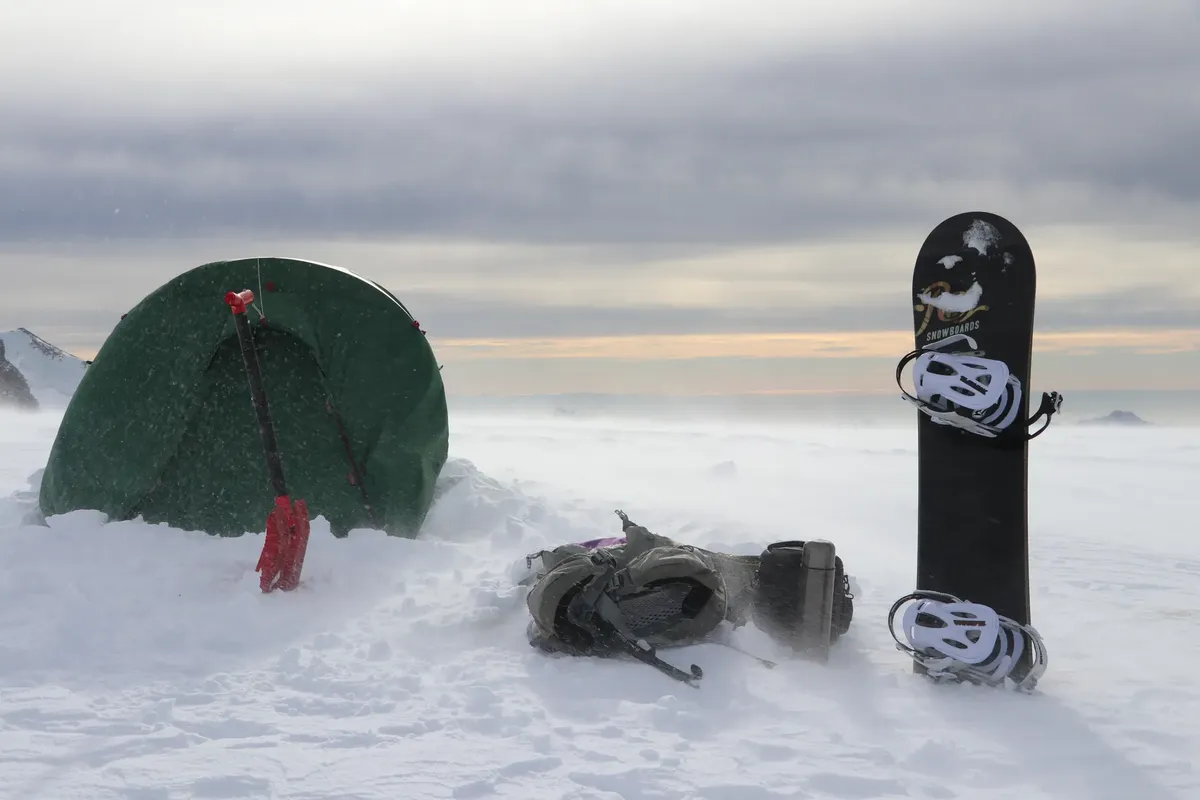
Standard laundry detergents can be too harsh for technical fabrics used in winter. Instead, use solutions specifically designed for outdoor gear to maintain the integrity of waterproof membranes.
Avoid using fabric softeners, as these can clog the pores of breathable materials, rendering them useless against condensation.
According to Outdoor Foundation, the 2011 record includes 4.2 million.
How do you keep camping gear clean during the season?
A hiker brushes snow off a sleeping pad before carefully wiping the surface with a damp cloth. To keep camping gear clean, you must address the unique challenges of frozen debris and moisture-heavy environments.
Regularly inspect your equipment for salt deposits or grit that can act as abrasions against fabric. Small, frequent cleanings are often more effective than one massive overhaul at the end of a season.
This prevents deep-seated grime from becoming permanent or causing mechanical failures in zippers and fasteners.
How do I best wash my winter gear? A camper gently rinses a stained tent fly in a tub of lukewarm water, ensuring the fabric remains flat. Achieving clean camping environment standards requires a delicate touch, especially with high-performance materials like down or synthetic insulation.
| Method Type | Primary Focus | Benefit |
|---|---|---|
| Manual Brushing | Surface debris removal | Protects fabric integrity |
| Targeted Spot Cleaning | Specific stain removal | Prevents full-scale washing |
I found that using a soft-bristled brush for heavy-duty nylon saved my zippers from getting stuck after a long trip. For much of my gear, I prefer targeted cleaning to avoid the stress of full immersion.
How can I maintain my gear for the long term? A seasoned traveler organizes a clean set of gear in a dry, temperature-controlled room. Long term gear maintenance tips involve a systematic approach to prevent the gradual decay of expensive equipment.
- Inspect all seams and zippers for signs of wear or salt crystallization after every trip. 2. Air-dry all items completely in a ventilated area before storing them to prevent mildew. 3. Re-apply waterproof treatments as indicated by the manufacturer to maintain moisture resistance.
Always perform a final check of all closures and fasteners to ensure no grit remains trapped in the tracks.
Managing gear in extreme environments
In certain conditions, such as when temperatures approach −40 °C (−40 °F), the formation of diamond dust or ice needles can complicate the cleaning process. These ice crystals can become embedded in fabric, making standard washing more difficult.
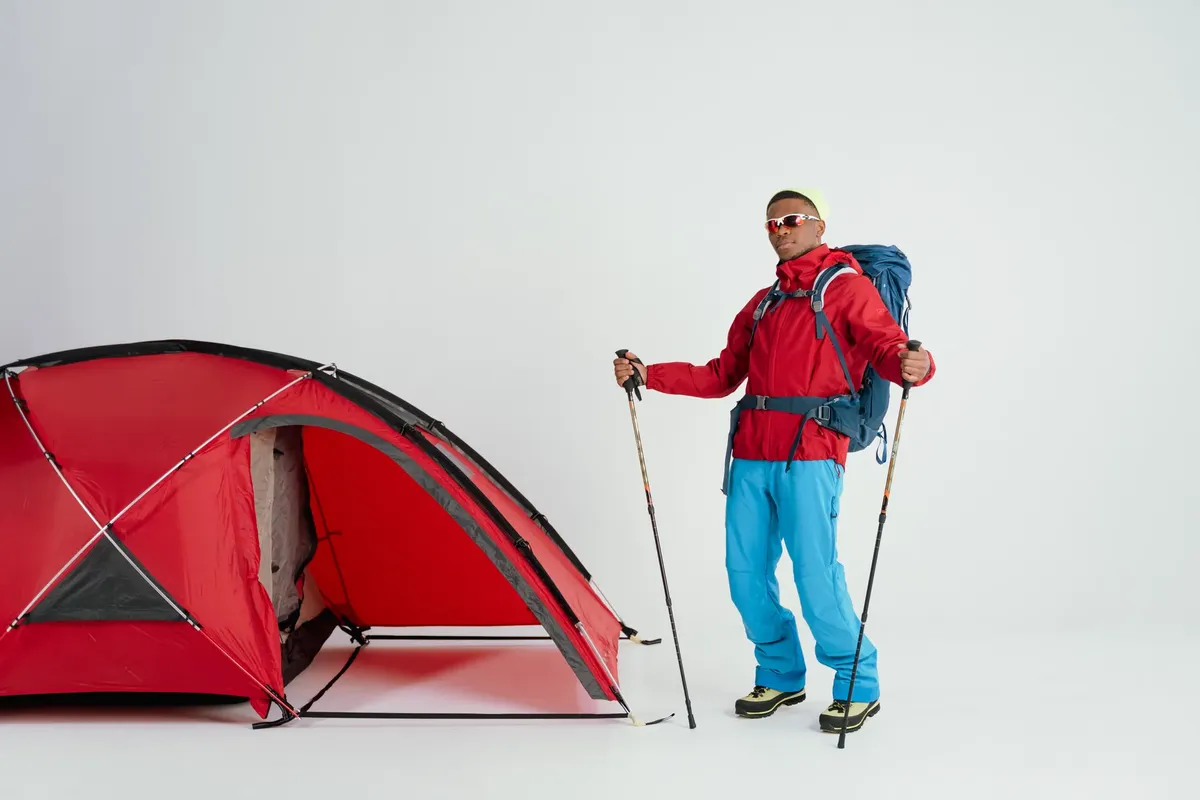
When dealing with meteorological winter conditions, such as those described by the National Weather Service, the cold can make materials brittle. This limitation means that heavy-duty cleaning should be avoided in extreme cold to prevent fabric cracking or damage to waterproof coatings.
Wikipedia: Camping Based on the retained excerpt mentioning Outdoor Foundation: and the Outdoor Foundation, camping in the United States is gaining popularity after a fall of 4.2 million participants from 2011 to 2012.
- Why is winter camping gear cleaning essential?
- How can you manage cold weather gear wash tips effectively?
- How do you keep camping gear clean during the season?
Related
- Winter camping gear protection: best tips for gear care
- Winter camping road damage tips: Guide to light gear choices
What precautions should be taken when the cold bites at your gear? The cold bites at the seams of your tent, demanding cautious handling during cleaning procedures. When temperatures are severe, the risk of material damage increases significantly. You must avoid aggressive cleaning methods when the cold bites at the gear because the materials become brittle under such conditions. This condition necessitates a shift from deep cleaning to careful inspection and light surface brushing.
When the cold bites at the fabric, the potential for ice crystals to become permanently embedded rises. These embedded crystals complicate the removal process, making standard washing procedures inadequate.
Therefore, a gentle approach is required to prevent the structural damage that extreme cold can induce in specialized textiles.
For gear exposed to the cold, always prioritize air-drying in a well-ventilated space before any storage. This precaution mitigates the risk of mildew forming when moisture is trapped in fibers weakened by the cold.
Furthermore, checking all closures for trapped grit after exposure to the cold is a critical step.
Safety Considerations for Cold Weather Cleaning
When the cold bites at the equipment, remember that the limitations of cleaning in freezing conditions are paramount. Heavy-duty cleaning should be avoided when the cold bites at the environment to prevent fabric cracking.
The frost settling deeply into the fibers of your sleeping bag shows how environmental factors affect material resilience.
Careful inspection after every trip helps manage the risk associated with the cold. Salt deposits and grit, which are more prevalent in cold, harsh environments, can act as abrasions. Small, frequent cleanings are preferable to a large, stressful cleaning session when the cold bites at the gear.







Comments 0