Tent gear selection guide: Balance weight versus durability
Selecting the right shelter is the foundation of a successful outdoor adventure. To choose effectively, you must balance weight, durability, and weather resistance based on your specific camping style.
Key takeaways: * Evaluate weight versus durability for different activities. * Match shelter size to the number of occupants and gear. * Consider seasonal requirements like wind and rain resistance.
How do you establish a tent gear selection guide?

Walking through a crowded outdoor retailer, the sheer variety of poles, fabrics, and shapes can feel overwhelming. You stand before a wall of nylon and polyester, trying to visualize which structure will actually keep you dry during a midnight downpour.
Effective tent gear selection requires analyzing your primary camping environment. If you are car camping, a larger footprint and higher ceiling are often more important than minimizing weight. Conversely, if you move between sites on foot, minimizing the pack weight becomes the priority.
You must weigh the pros and cons of a spacious living area against the physical strain of carrying it.
A solid camping equipment choice begins with identifying your most frequent terrain. For those staying near a vehicle, durability and comfort take center stage. For backpackers, the ability to compress the gear into a small volume is the deciding factor.
- Identify the specific terrain and climate conditions of your destination.
- List the essential gear requirements based on your group size.
- Categorize equipment by weight, durability, and ease of setup.
What are the primary factors for gear comparison analysis?
Setting up a tent in a windy clearing requires a clear understanding of how different structures react to the elements. You pull at a tension strap, feeling the tension of the fabric against the ground stakes.
A thorough gear comparison analysis involves looking at three main pillars: weight, weather protection, and ease of assembly. Professional-grade gear often uses lighter materials that offer higher waterproof ratings, but these can be more delicate.
- Determine the maximum weight you can comfortably carry for your specific trip. 2. Assess the seasonal needs, such as wind resistance for mountain sites or ventilation for summer heat. 3. Evaluate the setup time to ensure you can establish shelter quickly in changing weather.
I remember my first trip where I chose a massive family tent for a solo hiking trek, and the sheer bulk nearly ruined the experience. This taught me that the best gear is not the most expensive, but the most appropriate for the mission.
In this order, the second factor is the most extensive.
How to manage the pros and cons of tent gear?
A heavy canvas tent provides incredible insulation but requires significant strength to move. You look at the heavy fabric, imagining the warmth it provides against a cold night breeze.
Understanding the pros and cons of tent gear helps prevent costly mistakes. Large, multi-room tents offer luxury and space but are difficult to transport and slow to pitch. Small, single-wall tents are easy to carry but can suffer from condensation issues in humid environments.
| Feature | Large Family Tents | Lightweight Backpacking Tents |
|---|---|---|
| Portability | Low | High |
| Space/Comfort | High | Low |
Choosing between these two extremes depends entirely on your mode of transport. A heavy-duty tent is a great investment for basecamp-style trips, while a minimalist setup is better for moving travelers.
What are the best tent gear factors for different users?
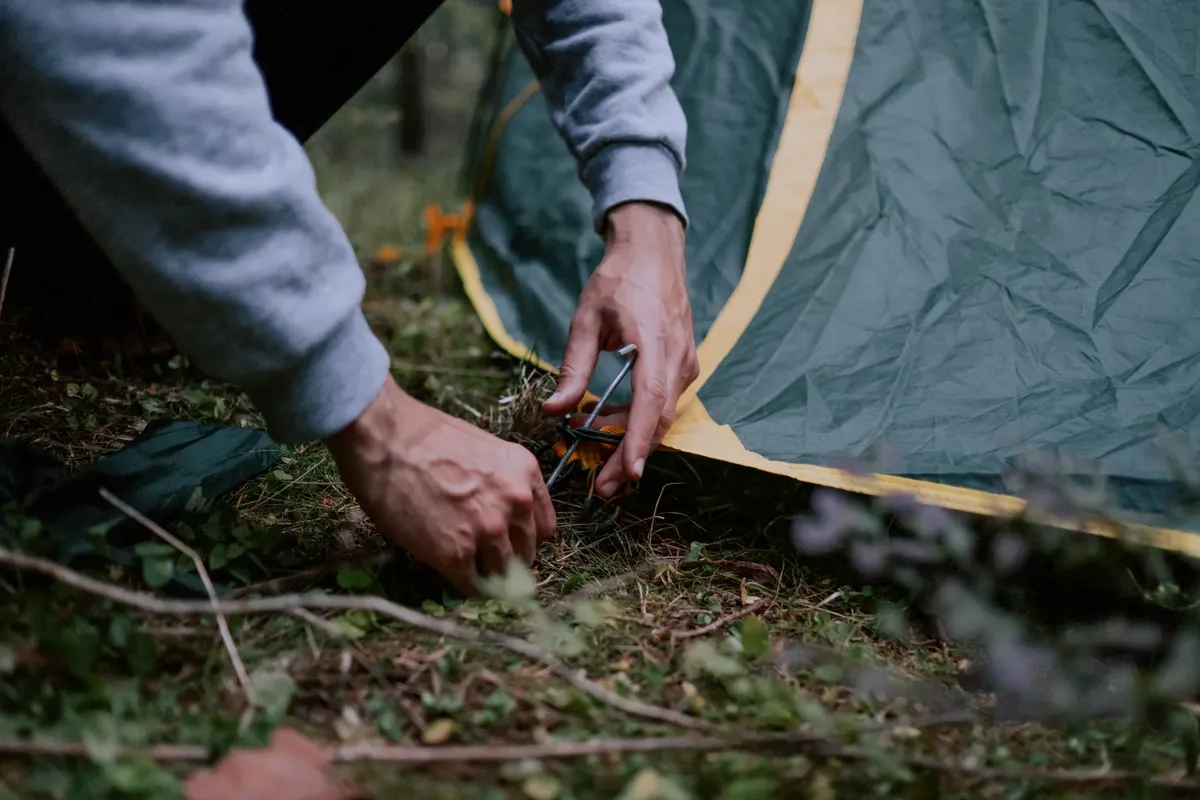
A solo camper stands in a small clearing, carefully pinning the corners of a compact tent into the dirt. The tight fit of the fabric ensures stability against the light breeze.
The best tent gear factors change based on the user's experience level and intended use. Beginners often benefit from easy-to-use dome structures that are forgiving during setup. Experienced adventurers might prefer more technical designs that maximize space-to-weight ratios.
When considering these factors, always check the pole material and fabric denier. Higher denier indicates thicker, more durable fabric, which is excellent for longevity but adds significant weight to your load.
How to navigate seasonal gear requirements?
As the sun sets, you tighten the guy lines to prevent the tent from flapping in the rising wind. The sound of the fabric snapping reminds you of the importance of proper tension.
Seasonal requirements dictate the specific design of your shelter. A summer tent focuses on mesh panels for maximum airflow, while a winter tent requires thicker materials and a smaller profile to shed snow and resist wind.
A limitation of specialized seasonal gear is that a summer tent may lack the structural integrity for heavy snow, and a winter tent may be uncomfortably hot in warm weather.
The subject here is Tent gear selection guide.
The same subject is also called Choosing camping supplies.
This part also covers How to pick camping gear.
Related
- What role do state regulations play in disaster preparation?
- Summer camp water risk: Guide to river creek camp safety
How does the choice of tent size affect the overall camping experience? The tent size determines the balance between comfort and portability, which is a key consideration when selecting the right shelter. Large, multi-room tents provide significant space and luxury, allowing occupants to spread out comfortably, but this spaciousness comes at the cost of increased difficulty in transport and a slower pitching time. Conversely, small, single-wall tents are highly portable, making them ideal for moving travelers, yet they present a condition where condensation issues can arise, especially in humid environments.
When comparing these sizes, one must weigh the benefit of a spacious living area against the physical strain of carrying a heavier structure. The decision hinges entirely on the mode of transport used for the trip.
A heavy-duty tent is suitable for basecamp-style trips where transport is managed, while a minimalist setup is better for those who are moving between sites on foot.
What structural considerations are necessary when selecting the right shelter? Structural considerations involve evaluating the pole material and the fabric denier to ensure adequate support and longevity. When selecting the right shelter, understanding the material properties helps anticipate how the tent will perform under stress from the elements. Higher denier indicates a thicker, more durable fabric, which is a positive factor for longevity and resistance to wear and tear, but this thickness inherently adds significant weight to the load.
The pole material dictates the tent's ability to maintain its shape and withstand external forces. The strength of the poles is critical when setting up a tent in a windy clearing, as they must effectively transfer the tension of the fabric against the ground stakes.
The type of pole chosen must align with the intended use, ensuring that the structure can handle the specific environmental conditions of the chosen terrain, whether it is a mountain site requiring wind resistance or a summer site needing maximum airflow.




Comments 0